




Painted Wooden Wall Plaque
A painted wooden wall plaque brings hand-carved texture and historic surface colour directly to an interior.
Painted Wooden Wall Plaque
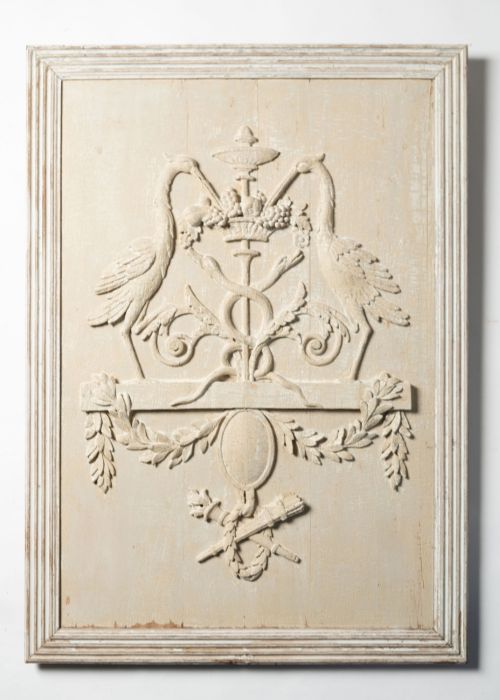
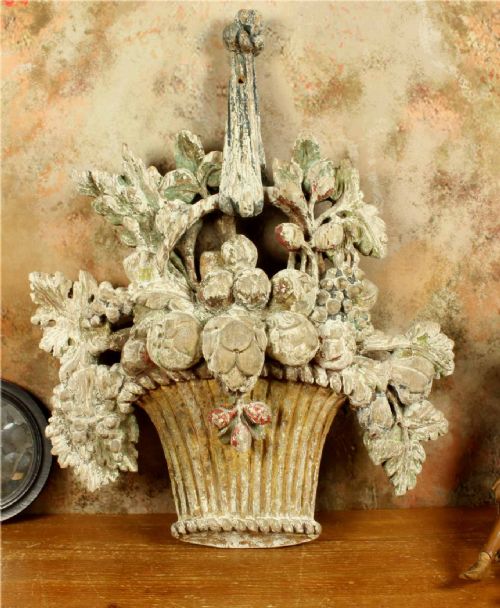
A painted wooden wall plaque encompasses a diverse array of architectural salvage, devotional panels, trade signs, and folk art originating from various European and Asian traditions. Buyers searching for a painted wooden wall plaque encounter everything from 18th-century French carved panels and Russian icons to early 20th-century commercial signs and fairground carousel pieces.
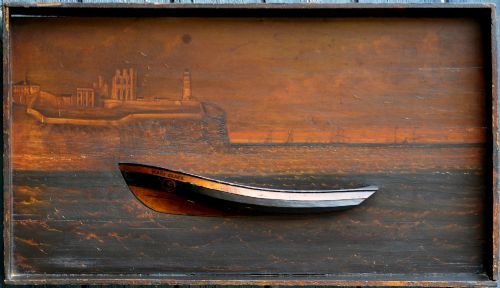
The selections span multiple centuries, ranging from 17th-century religious works to Edwardian display lettering and nautical fragments. These objects function primarily as wall art, reliefs, and sculptural accents within contemporary spaces.
How they were made
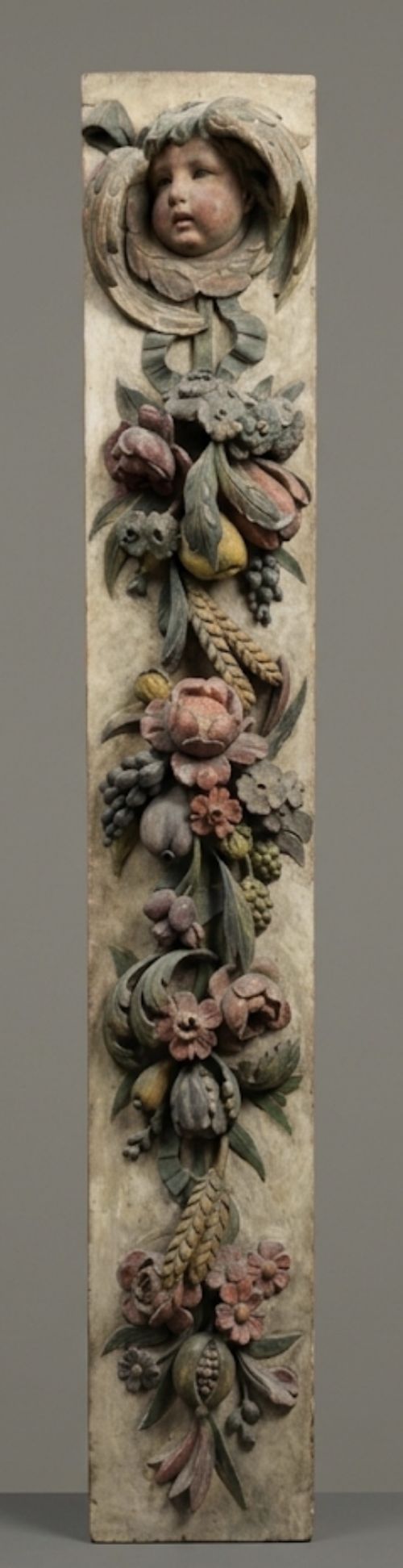
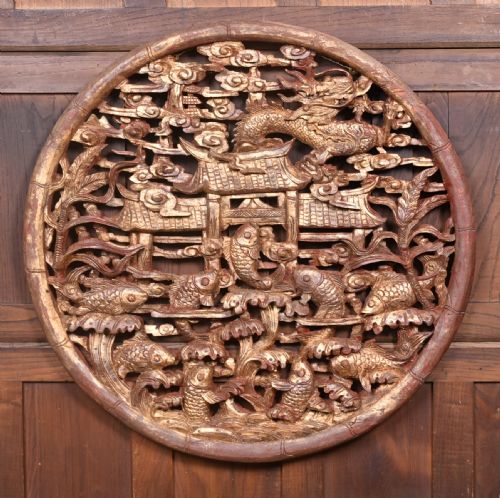
Makers shaped these pieces from timber and carved wood, frequently applying gesso to prepare surfaces before painting or applying gold leaf and silver. Pigments, tempera, and polychrome finishes were hand-applied by artisans, craftsmen, and trade painters.
Structural elements sometimes incorporate metal components alongside timber framing, book cover bindings, or architectural fragments salvaged from larger structures like carts, over-doors, and ships.
Among the painted wood is a Swedish folk art deer with antlers, standing ready to bring woodland charm indoors.
What varies in quality
The distinction between standard examples and exceptional pieces lies in the crispness of the carving and the original integrity of the hand-painted surface. Depth of relief work and the survival of early polychrome or gilt layers significantly elevate the visual weight of a panel.
The historical provenance and the authenticity of the surface wear determine how well a piece retains its decorative character. Finer panels exhibit deliberate craftsmanship in both the joinery of the timber and the application of pigment.
Volga Masters Circle·Icilio Federico Joni·Liverpool Ship Building Co.
The Painted Wooden Wall Plaque Glossary
- Polychrome
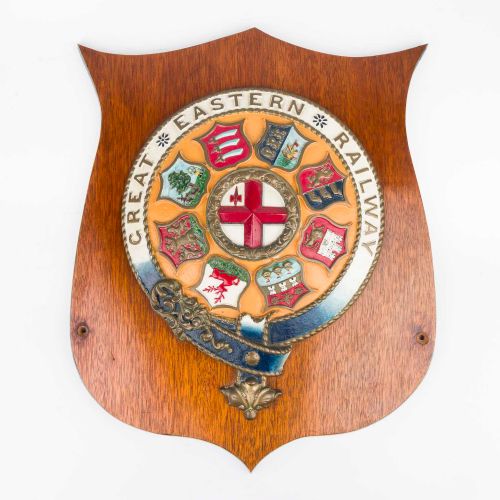
- Decorated in multiple colours. This technique appears frequently on carved wooden panels and armorial crests.
- Gesso
- A plaster-like mixture applied to wood as a base for paint or gold leaf. It creates a smooth ground for detailed artwork.
- Icon
- A devotional painting on wood, often associated with Eastern religious traditions. These sacred panels frequently incorporate tempera and metal leaf.
- Architectural salvage
- Building elements rescued from older structures for decorative reuse. Pieces range from over-door panels to cart fragments.
- Dummy board
- A painted wooden figure or plaque cut to shape to simulate a real object. These trick the eye with clever perspective and pigment.
Painted Wooden Wall Plaque: Frequently Asked Questions
How do I hang a heavy wooden wall plaque?
Most heavy plaques require secure fixing directly into wall studs or appropriate masonry anchors to support the timber weight safely. Professional mirror plates or integrated brackets are often fitted to the reverse of older panels.
Ensure the hanging method matches the specific build of the timber frame or backing board to prevent strain on the carved sections.
How should I clean a painted wooden plaque?
Dusting gently with a dry, soft brush is usually sufficient to maintain the surface without disturbing fragile paint or gesso layers. Avoid using liquid cleaners, solvents, or abrasive cloths that can strip historic pigment or gold leaf.
Professional conservation advice should be sought if deeper cleaning is required on delicate 17th or 18th-century surfaces.
Are these plaques suitable for bathroom walls?
Historic painted wood is sensitive to fluctuations in moisture and temperature, making humid environments potentially harmful to fragile pigments and old timber. Placing them in stable, dry interior spaces preserves the integrity of the paint and wood.
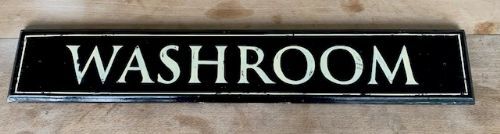
Signs or panels originating from washrooms or exterior settings are generally more resilient but still benefit from stable conditions.
How can I tell an older panel from a reproduction?
Examine the timber for natural ageing, tool marks, and construction methods consistent with the stated period, such as hand-sawn boards or period fixings. The wear on the paint should look organic, showing genuine craquelure and fading rather than artificial distressing.
Comparing the style of the carving and lettering to documented examples from the same era helps confirm authenticity.