
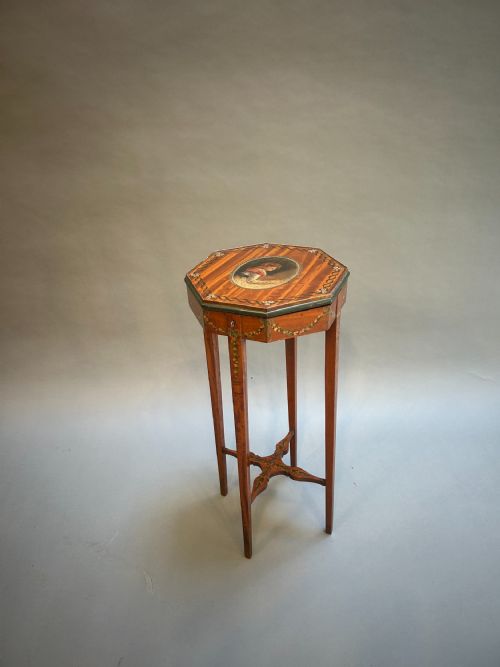


Painted Wooden Table Stand
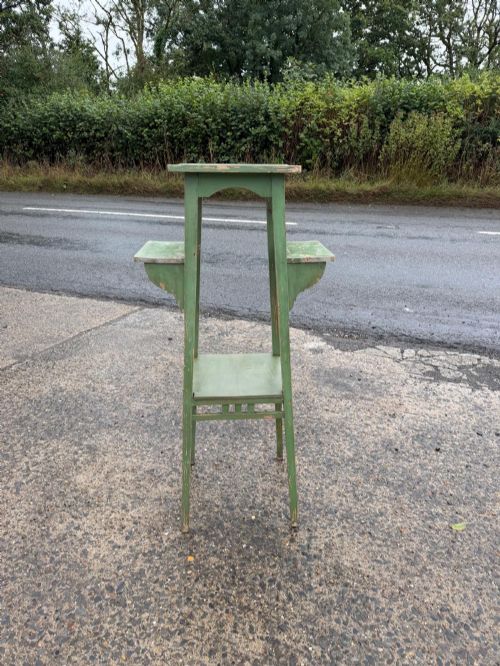
These painted wooden table stand examples range from English country pine to French provincial pieces, offering practical surfaces decorated with surface finishes.
Painted Wooden Table Stand
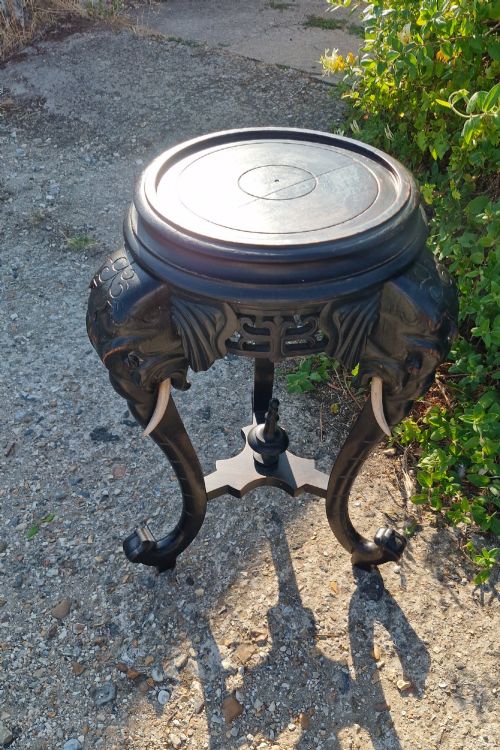
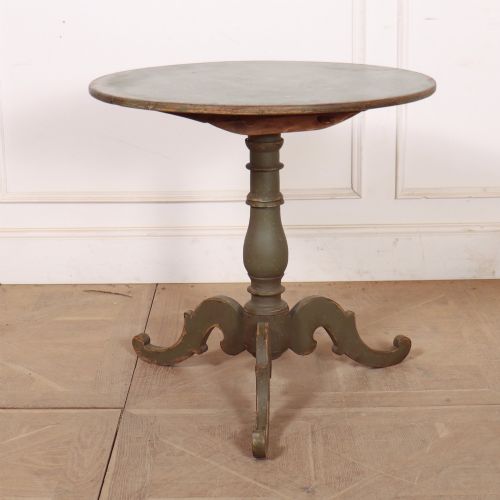
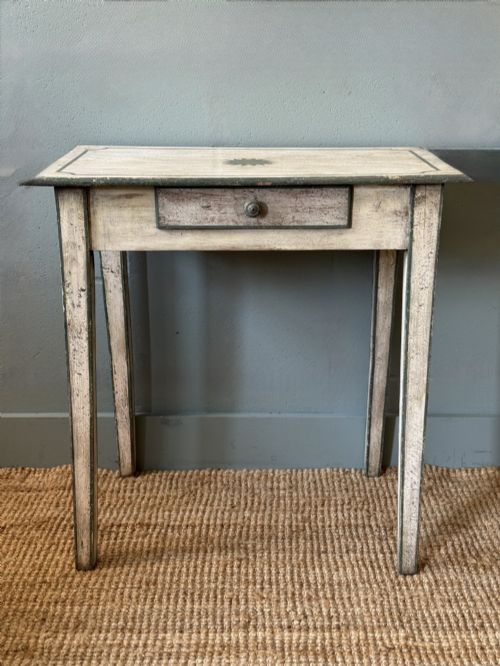
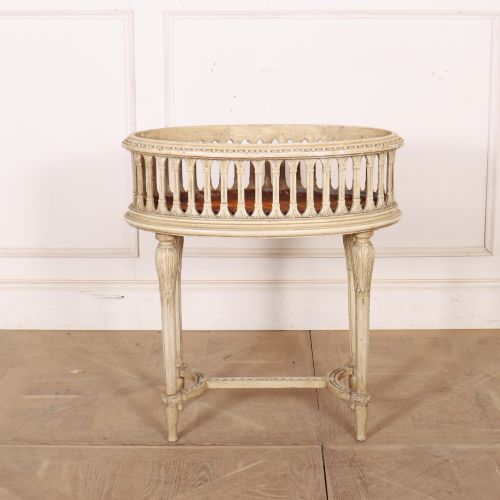
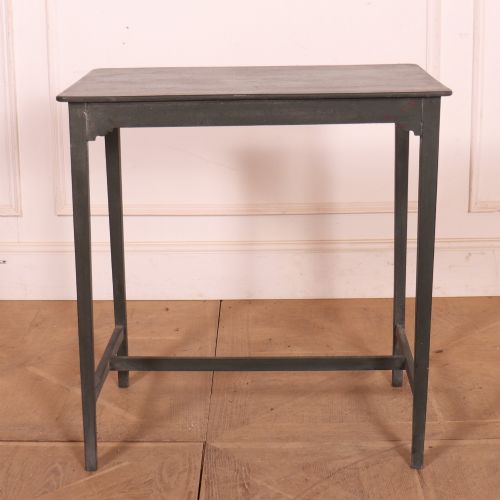
A painted wooden table stand serves as a functional surface or display pedestal, encompassing plant stands, lamp tables, washstands, and occasional tables. When exploring a painted wooden table stand, buyers encounter variations spanning from eighteenth-century items to mid-twentieth-century examples.
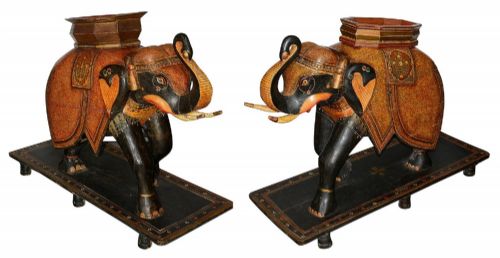
The selection includes English country and Georgian country pieces alongside French provincial and French chateau items, reflecting diverse regional tastes. Alongside these, Anglo-Indian, Venetian, and Asian decorative stands appear in pine, oak, fruitwood, and satinwood.
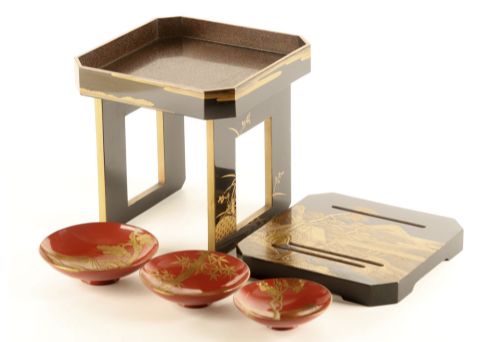
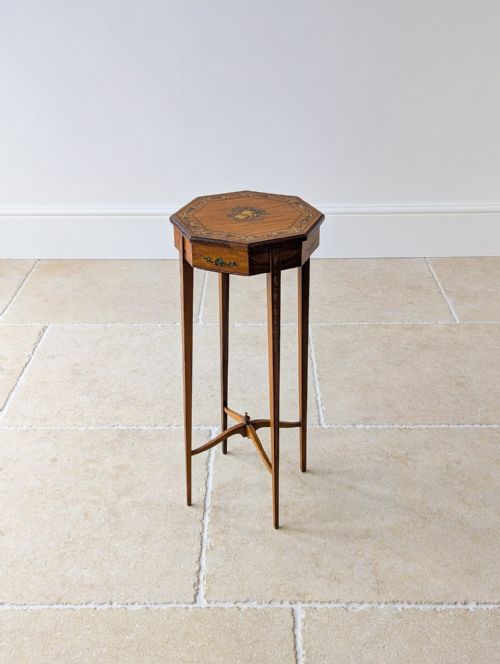
Plant stands and lamp tables dominate the forms, frequently displaying surface treatments such as original paint, lacquer, gold leaf, and trompe l'oeil decoration. These surfaces transform basic timber into decorative furnishings intended for display within domestic interiors.
Materials and construction methods
Construction relies upon native and exotic timbers including pine, oak, satinwood, fruitwood, and rosewood, shaped into tables, stands, and pedestals. Joinery methods suit the specific form, from rustic garden room tray tables to refined Sheraton Revival side tables.
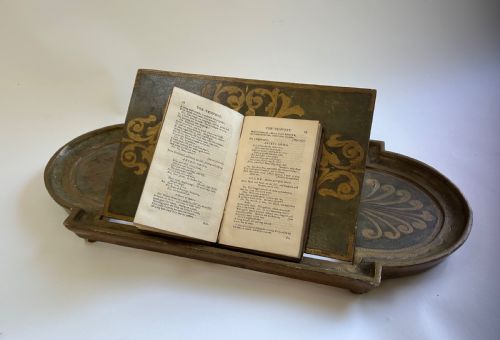
Surface ornamentation defines these pieces, utilising applications of paint, lacquer, gold leaf, and parcel-gilt details over wood. Finish treatments incorporate original grain finishes, painted faux marble tops, and decorated torchere surfaces executed across the nineteenth and early twentieth centuries.
Regional styles represented include English country, French provincial, Anglo-Indian, and Sheraton Revival, spanning forms from washstands to plant pedestals.
Separating standard examples from superior pieces
Quality rests upon the preservation of the original surface finish, whether that is aged paint, lacquer, or gilding applied to the timber frame. Pieces retaining their initial decorative scheme display greater integrity than those subject to later overpainting or stripping.
The refinement of the underlying woodwork and carving dictates the standing of the piece, distinguishing simple utilitarian pine from sophisticated satinwood or lacquered pedestals. Proportions, stability, and the execution of decorative elements such as parcel-gilding or trompe l'oeil determine overall execution.
The Painted Wooden Table Stand Glossary
- Lamp table
- A compact table designed specifically to hold a lamp or candle stand, appearing frequently in nineteenth-century English and French variants.
- Washstand
- A utilitarian piece featuring a surface designed for washing equipment, often finished with painted faux marble tops and pine construction.
- Torchere
- A tall stand or pedestal intended to support a lamp or candle holder, often executed in lacquer or gilt wood during the nineteenth-century revival periods.
- Parcel-gilt
- Partially gilded with gold leaf, highlighting specific carved or raised details on a painted wooden surface.
- Trompe l'oeil
- An artistic technique that uses realistic imagery to create the optical illusion that the depicted objects exist in three dimensions.
Painted Wooden Table Stand: Frequently Asked Questions
What is a painted wooden table stand used for?
These pieces function as pedestals, display surfaces, and small tables designed to hold lamps, plants, and decorative objects within a room.
Their compact footprints allow them to fit into corners, hallways, and beside seating areas where larger furniture proves impractical.
How do I identify the period of a painted stand?
Dating relies upon examining the timber species, construction joints, and the ageing characteristics of the paint or lacquer finish.
Stylistic indicators such as Sheraton Revival motifs or Georgian proportions further clarify the era of manufacture.
Are original paint finishes important?
Original paint finishes preserve the historical character and decorative intent of the maker, representing a key factor for collectors.
Surfaces showing untouched patination contrast with later decorative layers applied during subsequent interior design revivals.
Where were these stands placed historically?
Historical placement varied from grand reception rooms holding torchere stands to garden rooms utilising rustic tray tables and plant pedestals.
Domestic interiors employed them wherever functional surface space or elevated plant display was required.