
Painted Wooden Storage Cabinet
A painted wooden storage cabinet brings practical utility and regional character together through functional cupboards, chests and dressers.
Painted Wooden Storage Cabinet
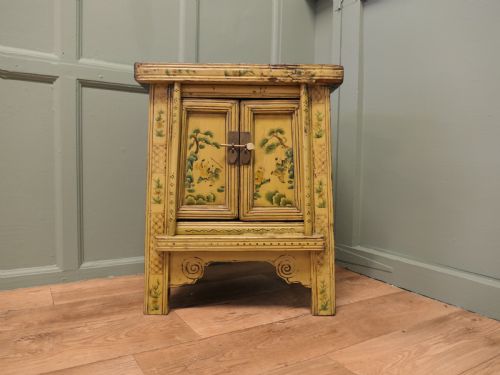
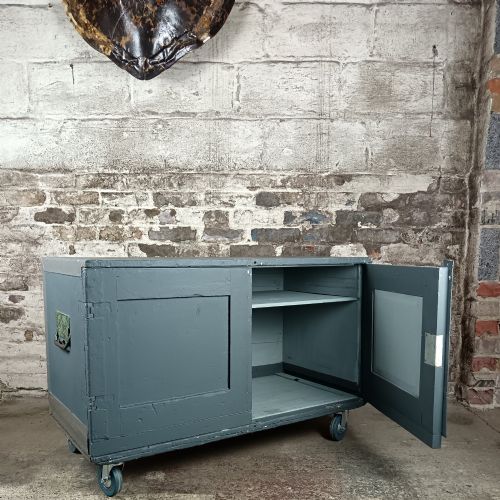
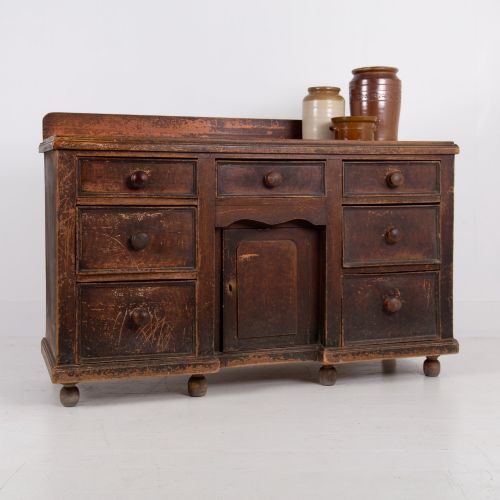
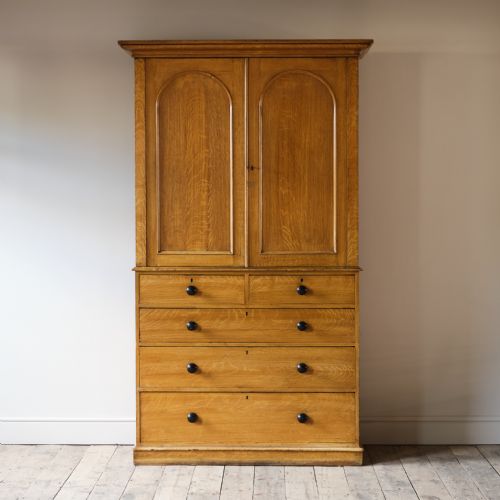
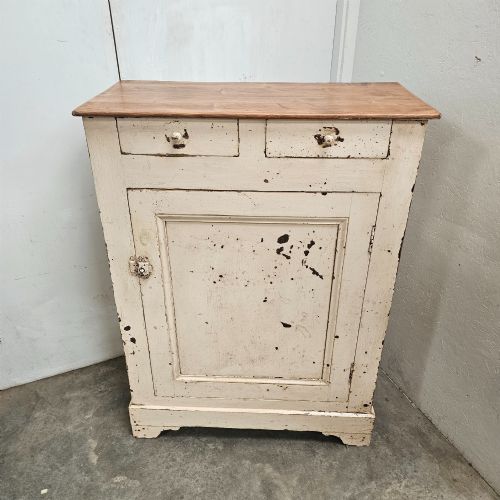
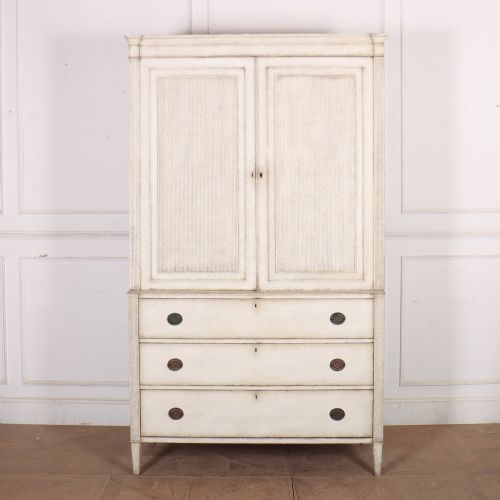
A painted wooden storage cabinet spans diverse regional traditions, appearing as cupboards, chests of drawers, dressers, and side cabinets across the eighteenth, nineteenth, and early twentieth centuries. These pieces originate from English, French, Scandinavian, Italian, Chinese, and Indian workshops, reflecting local domestic needs for storage.
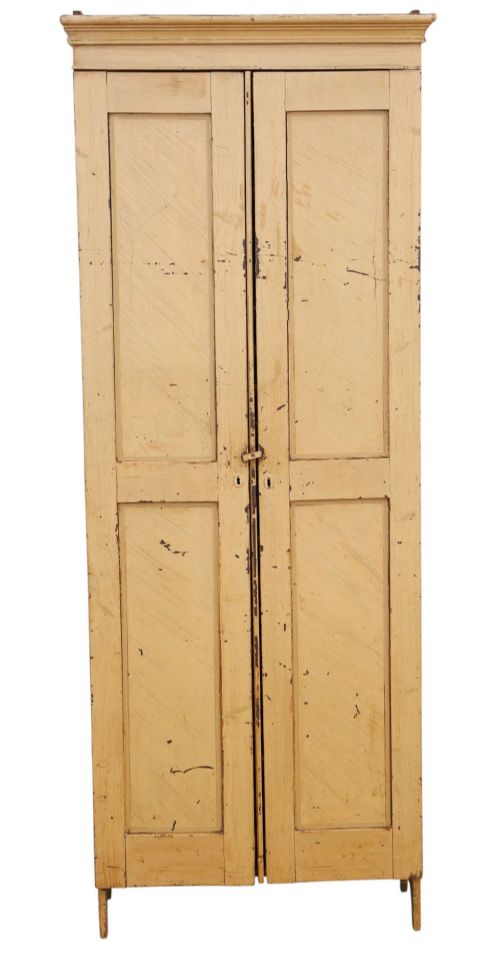
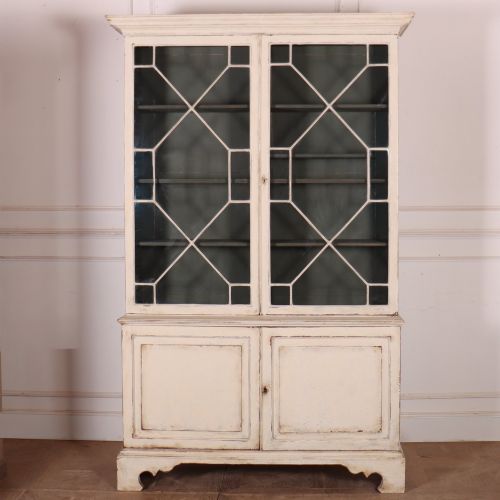
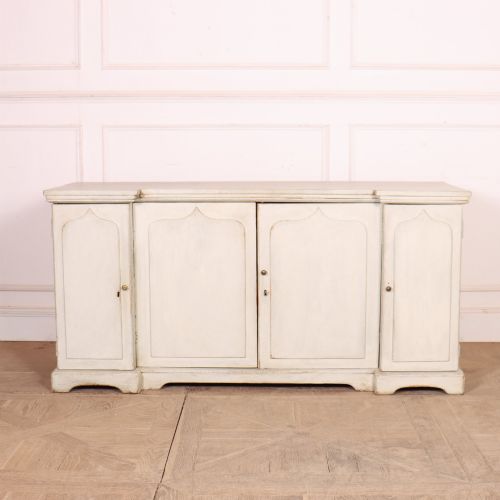
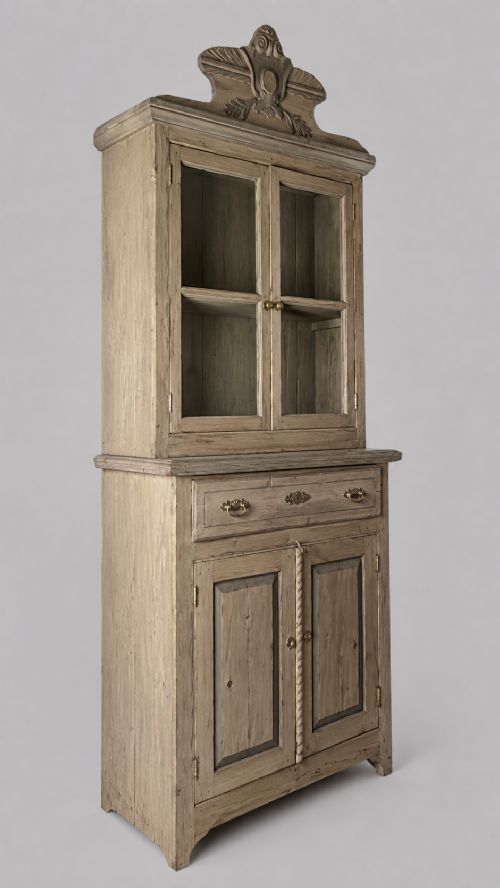
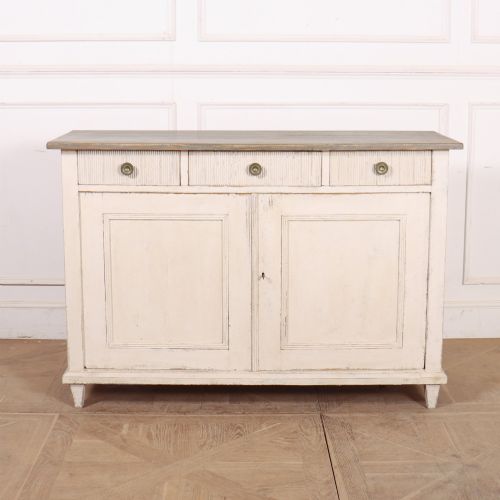
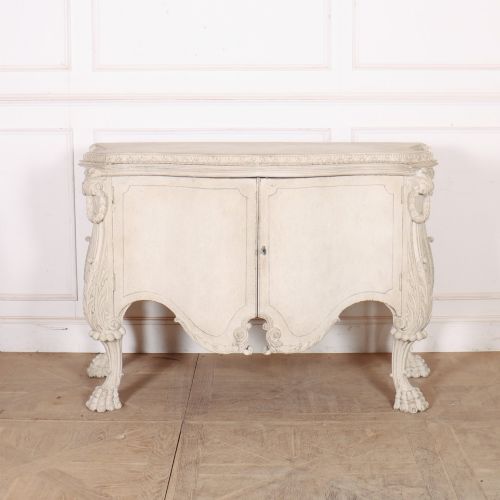
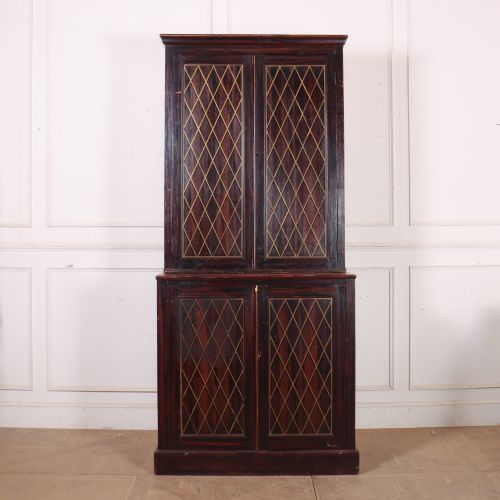
The most frequent examples on this page are nineteenth-century pine cupboards and chests finished in paint, alongside provincial sideboards and specialised storage units. Forms range from tall housekeeper cupboards and glazed bookcases to compact jam cupboards and marriage chests.
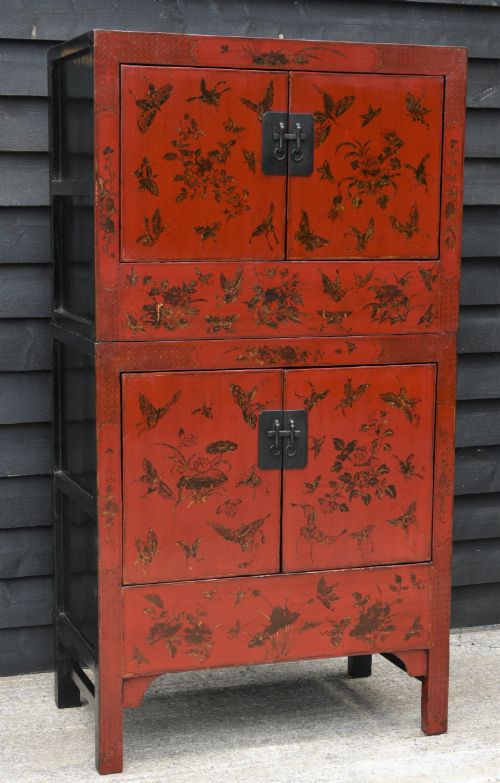
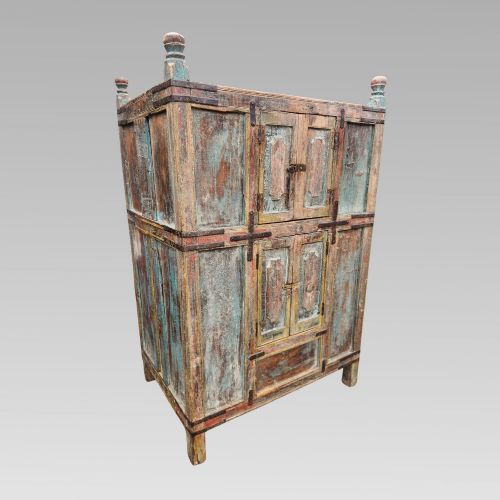
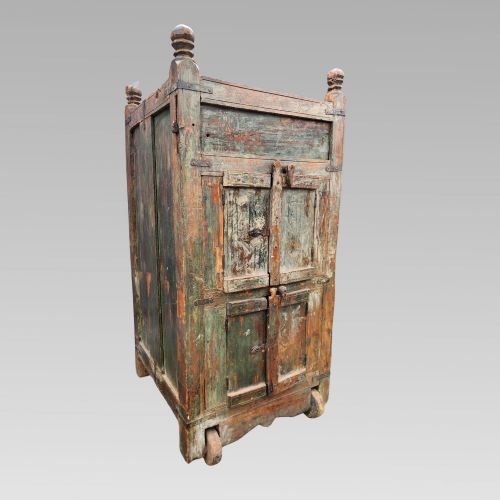
Regional variations dictate the silhouette and proportions, from austere Scandinavian folk art pieces to decorative Chinoiserie cabinets and substantial Indian almirahs. Buyers encounter both utilitarian workshop furniture and formal painted reception pieces.
Materials and construction
Makers relied principally on pine, teak, and cedar for the carcase construction, joining timbers with traditional housing joints, dovetails, and pegged mortises. Iron and brass hardware, including hinges, drop handles, and escutcheons, secure doors and drawers.
Surfaces received decorative or protective coats of paint, ranging from original folk art polychrome and lacquer to layered historical pigments and wax. Glazed sections incorporate clear glass panes to display contents within bookcases and vitrines.
Several cupboards retain the specific aroma of old pine, beeswax, and historical school or pantry contents.
Gradations of execution
Quality rests in the survival of original painted surfaces and the integrity of the structural joinery, where untouched primary finishes command greater attention than later repainting. Well-proportioned mouldings and balanced hardware placement separate standard utility items from finer provincial interpretations.
The sophistication of decorative brushwork defines the tier, moving from simple utilitarian monochrome coats to complex floral Chinoiserie motifs or intricate folk art panels. Internal fittings, such as untouched pigeon holes, shelving, and banks of drawers, retain higher degrees of original craftsmanship.
The Painted Wooden Storage Cabinet Glossary
- Almirah
- A freestanding cupboard or wardrobe originating from the Indian subcontinent, often constructed from teak or cedar with panelled doors.
- Confiturier
- A small French provincial storage cupboard traditionally used for storing confit and preserves, usually featuring a single door above a small drawer.
- Dresser Base
- The lower section of a kitchen or dining room sideboard, comprising cupboards and drawers without the upper plate rack.
- Chinoiserie
- European decorative style imitating Chinese artistic traditions, characterised by painted or lacquered motifs of figures, landscapes, and floral patterns.
- Linen Press
- A tall piece of furniture designed to store folded textiles, featuring upper sliding trays or shelves enclosed by doors above a chest of drawers base.
Painted Wooden Storage Cabinet: Frequently Asked Questions
How do I identify original paint?
Original paint exhibits natural craquelure, consistent wear patterns around handles, and historical pigment layers that match the period of the timber construction.
Modern repaint layers often sit heavily in corners and lack the cumulative patina of age and domestic use.
What rooms suit these cabinets?
Kitchens and dining spaces accommodate larger dressers, housekeeper cupboards, and sideboards for storing tableware and provisions.
Compact jam cupboards and bedside chests function well in hallways or bedrooms where floor space is limited.
How do regional styles differ?
Scandinavian and English country pieces typically feature simple pine carcases with functional painted finishes or folk art floral decoration.
Continental and Asian workshops produce examples utilising rich lacquers, carved teak, or distinct provincial mouldings like those found on French confituriers.
Are these pieces structurally sound?
Most antique storage units utilise solid timbers like pine, teak, and cedar joined with traditional methods that withstand daily domestic use.
Minor movement in the wood over centuries is normal, provided the drawers run smoothly and doors hang squarely on their original iron or brass hinges.