

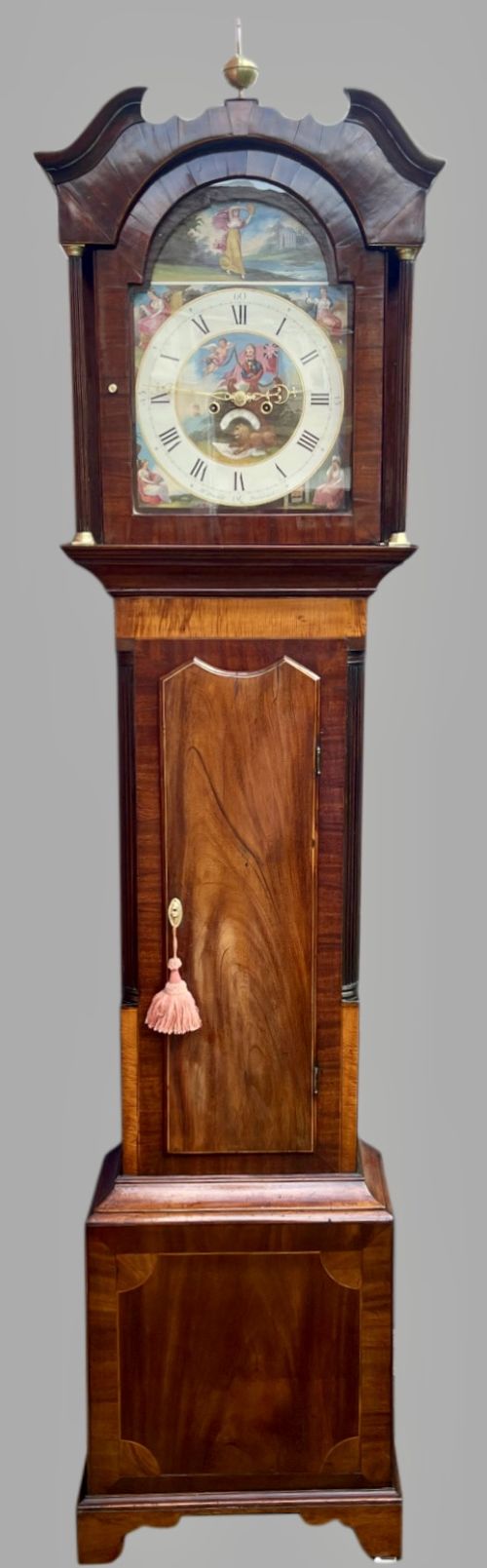
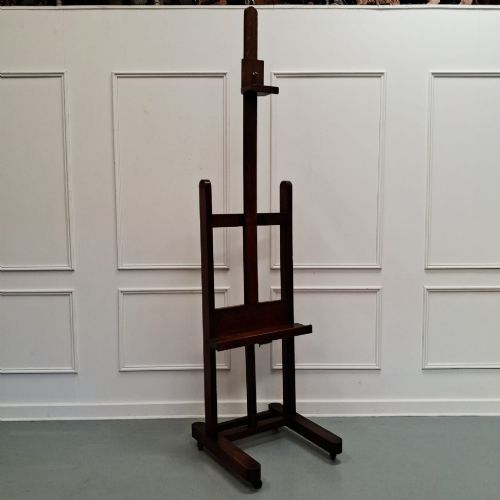
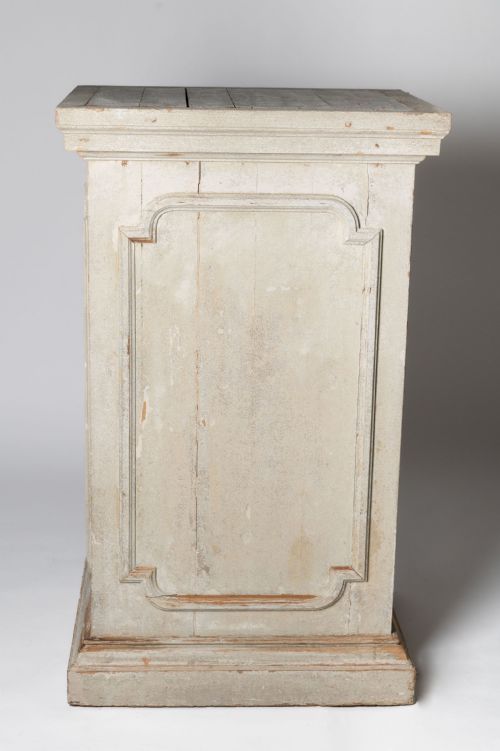
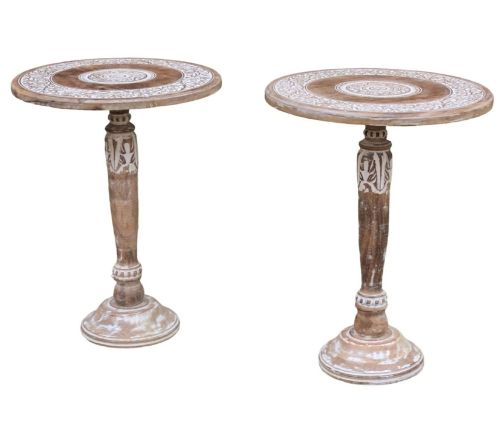



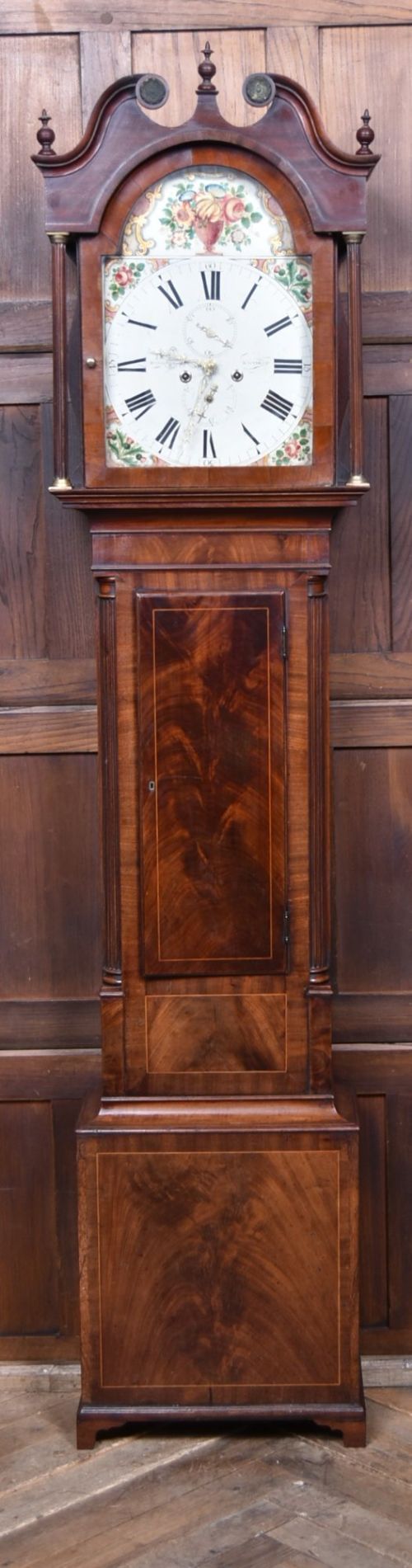
Painted Wooden Stand
A painted wooden stand brings surface pattern and practical elevation to a room, drawing the eye with pigmented timber and folk ornament.
Painted Wooden Stand
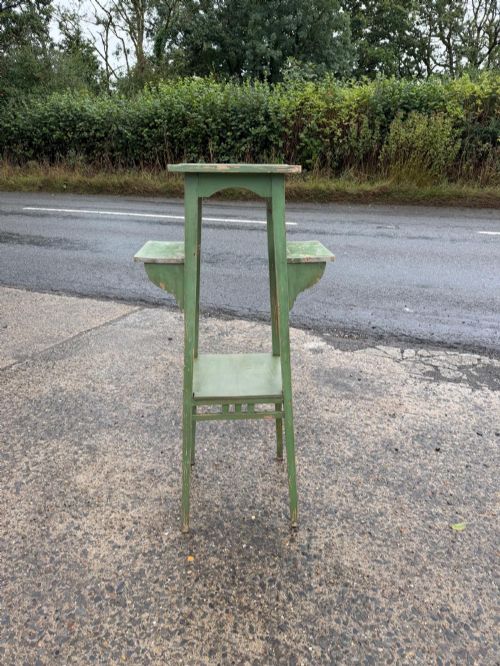
A painted wooden stand serves as a raised platform or support for decorative objects, lamps, and plants, combining utility with applied surface colour. Buyers seeking this phrase encounter items designed to lift items into the line of sight within domestic interiors.
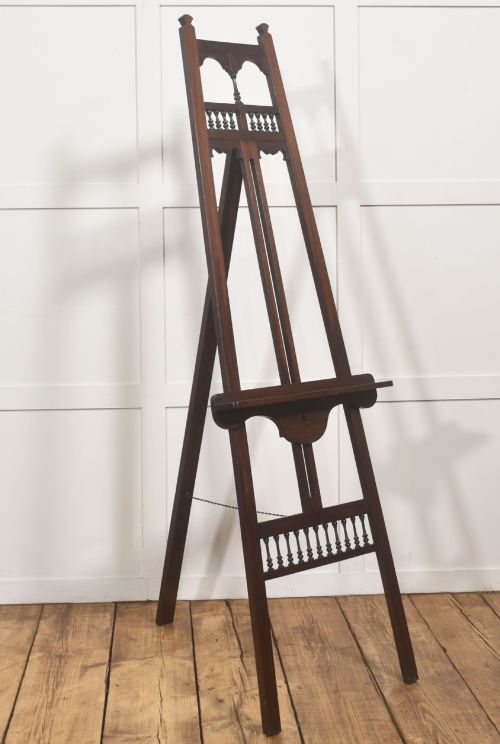
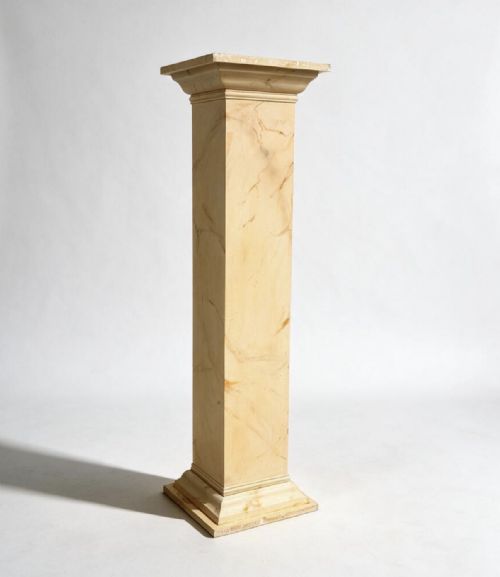
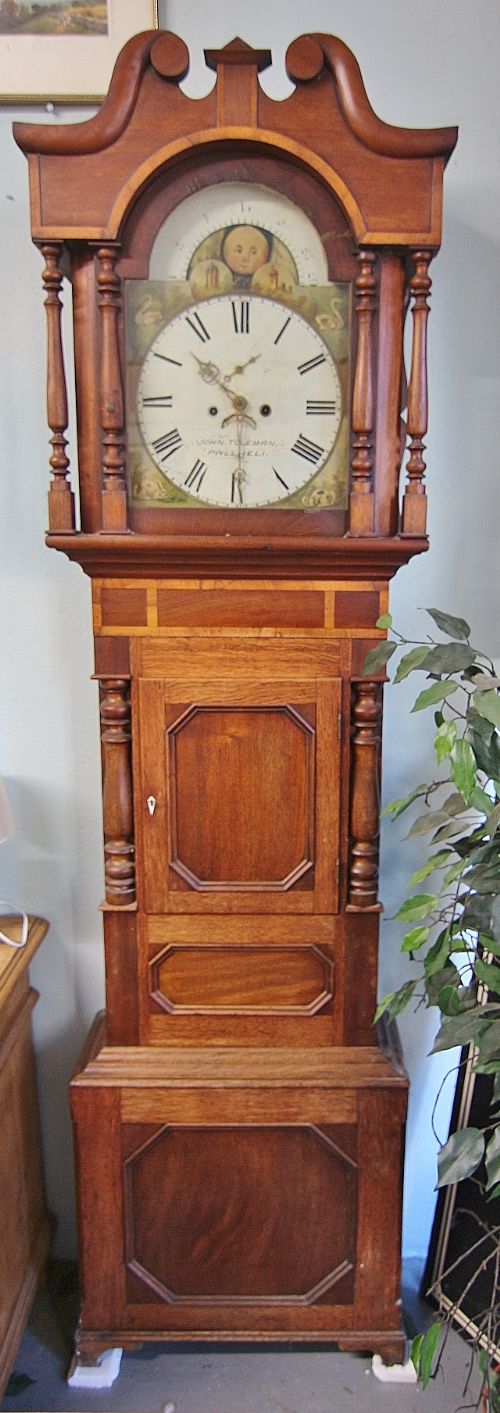
The selections on this page span several functional categories, including plant stands, lamp tables, pedestals, and torchières. These forms emerge primarily from the nineteenth and early twentieth centuries, alongside Georgian and eighteenth-century examples.
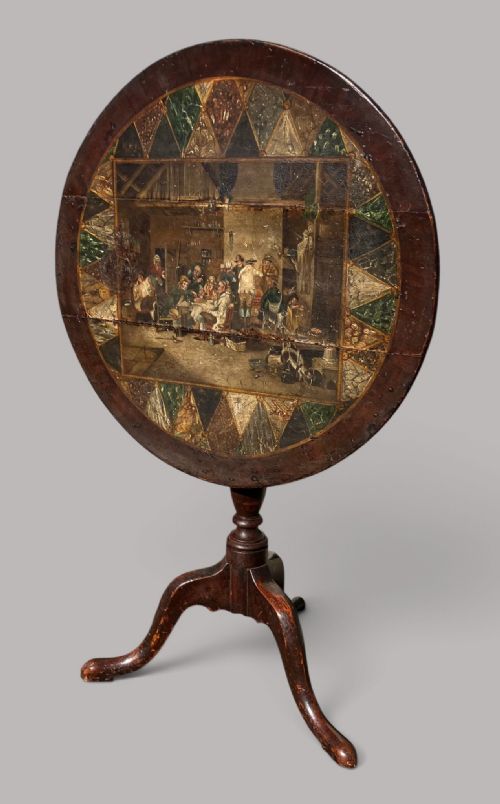
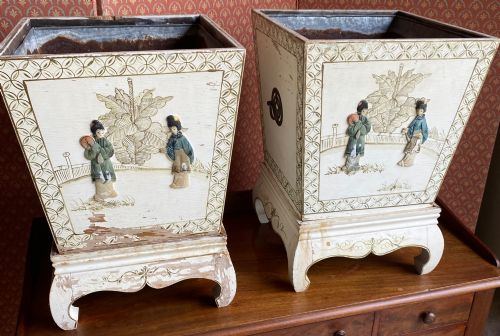
Surfaces display a range of decorative treatments, from naïve folk layers to refined Chinoiserie motifs and Sheraton Revival patterns. Oak, mahogany, fruitwood, and pine form the structural timber beneath these painted finishes.
How they were made
Maker workshops utilised native and imported hardwoods like oak, mahogany, and fruitwood, shaped through traditional joinery and turning techniques. Structural stability supported the weight of heavy items such as clocks, planters, and lamps.
Surface decoration involved the application of ground pigments, oil paints, and lacquers directly to the timber base. Artisans executed schemes ranging from simple monochrome coats to intricate hand-painted Chinoiserie scenes and gilded highlights.
Painted Wooden Stand Retail Price Guide 2026
Typical asking prices for painted wooden stand among the pieces listed under this phrase on Sellingantiques today, from the lower quarter to the upper quarter. They describe what is for sale here now, not the wider market.
Listings feature items spanning the 18th, 19th, and early 20th centuries, constructed from oak, mahogany, fruitwood, and pine.
What varies in quality
The integrity of the original paint surface dictates much of the distinction between examples, with untouched historical layers holding greater visual weight than later overpainting. The harmony between the base timber and the decorative scheme reveals the maker's competence.
Construction methods and timber selection separate standard utility pieces from finer workshop productions. Stability in joints and the crispness of carved or turned details indicate the original standard of craftsmanship.
Hendrie Ogg·D. Straiton·Rickards Wotton Under Edge·G .J. Lines
The Painted Wooden Stand Glossary
- Chinoiserie
- European decorative style inspired by Chinese artistic traditions, featuring motifs like landscapes, figures, and pagodas rendered in paint or lacquer. This aesthetic appears frequently on lamp standards and display items from the late nineteenth and early twentieth centuries.
- Torchière
- Tall ornamental stand designed to hold a light source or decorative object aloft. These elevated pedestals often feature decorative painted surfaces.
- Naïve paintwork
- Folk art surface decoration executed without formal academic training, prioritising direct expression over perspective or proportion. This finish often appears on vernacular furniture from the Georgian period onward.
- Ebonised
- Timber treated with a dark finish to imitate expensive ebony wood. The technique creates a striking, uniform black surface common in Aesthetic Movement pieces.
- Vernacular
- Everyday furniture built by local craftsmen to satisfy practical regional needs rather than following high-style metropolitan fashions. These pieces utilise accessible regional timbers such as oak and pine.
Painted Wooden Stand: Frequently Asked Questions
What is a painted wooden stand used for?
These pieces function primarily as raised platforms to display plants, lamps, and decorative objects within domestic spaces. Their elevated designs draw attention to specific items while adding colour and pattern to a room.
Historically, they served practical roles in illuminating dark corners or holding heavy jardinieres and sculpture. Today, they remain versatile accents for corners, hallways, and living areas.
How do I identify the period of a stand?
Dating relies on observing structural timber, construction joints, and the characteristics of the painted surface. Georgian pieces often show vernacular oak construction with naïve finishes, while Victorian and Edwardian examples introduce ebonised surfaces and Chinoiserie motifs.
Matching the decorative style to known design movements helps narrow the timeframe. Tool marks and fastener types also provide clues to the age of the timber frame.
Are painted finishes usually original?
Surfaces vary between untouched historical layers and later decorative interventions applied during subsequent redecoration. Original paint often shows natural craquelure, wear patterns, and patination consistent with age.
Examining the interface between the paint and the underlying wood helps determine whether the surface dates from the construction period. Conservation analysis can reveal if multiple decorative campaigns exist on a single object.
How should I care for antique painted surfaces?
Protection from direct sunlight and stable indoor humidity prevent the timber from warping and the painted surface from flaking. Gentle dusting with a dry, soft cloth maintains the finish without introducing moisture.
Harsh chemical cleaners and abrasive cloths must be avoided, as they strip delicate pigments and historical patination. Professional conservation advice is recommended for cleaning compromised or flaking paint.