

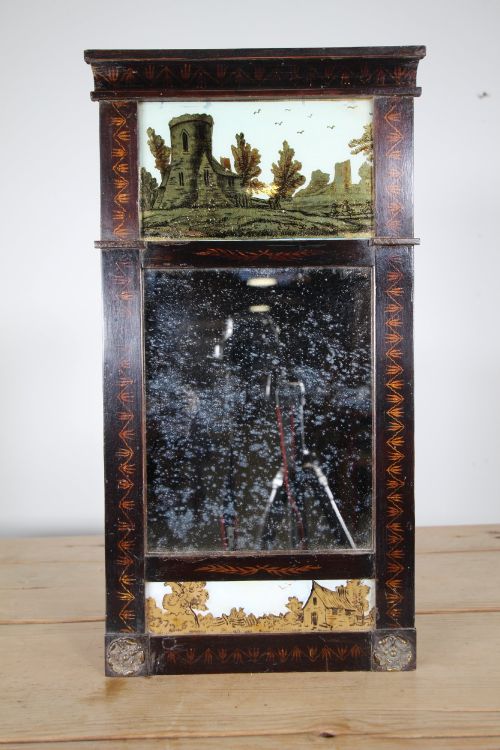
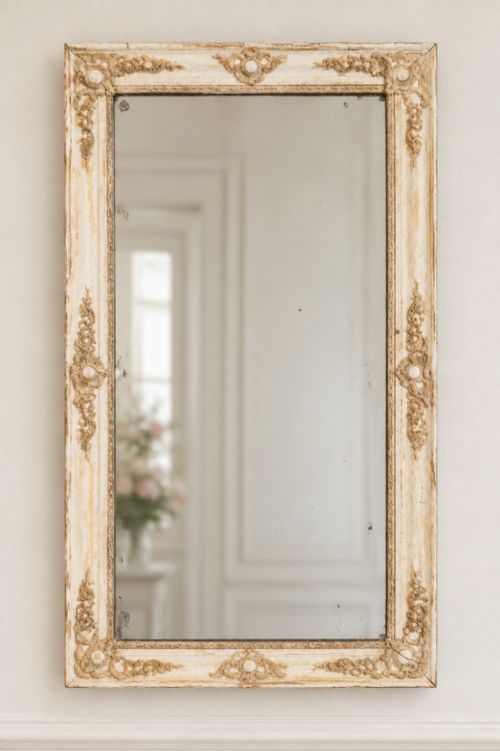
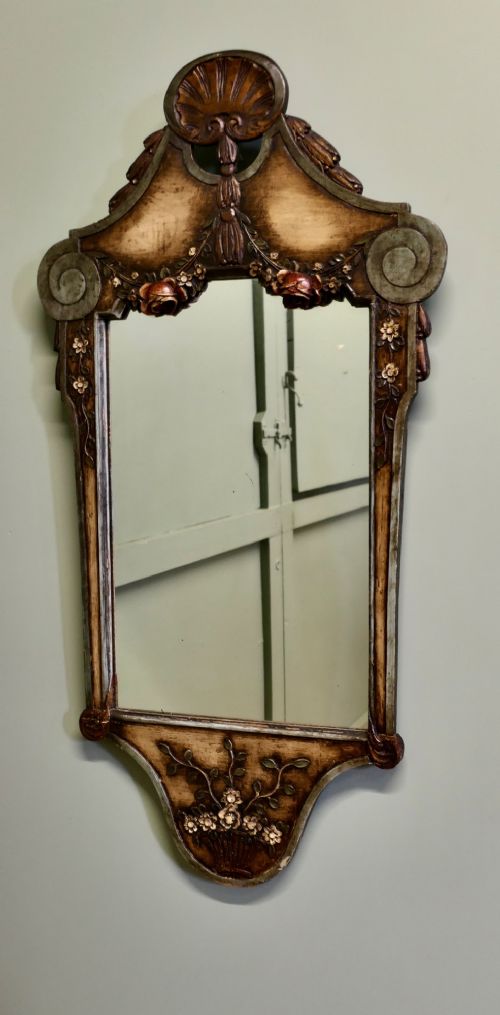
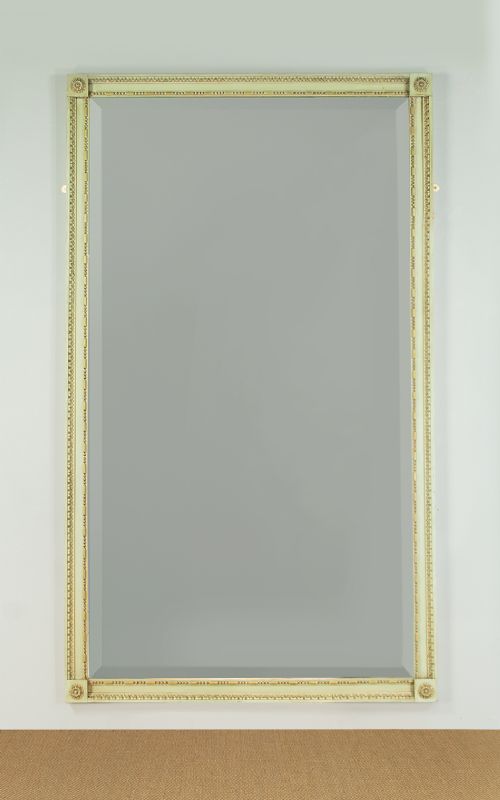

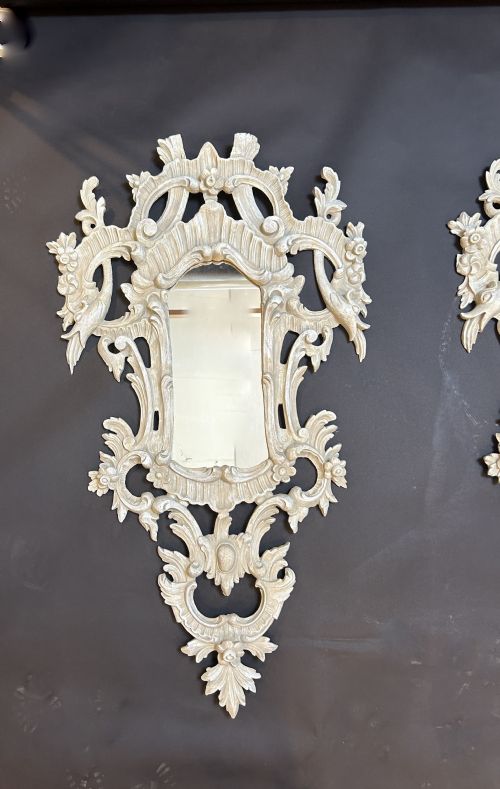
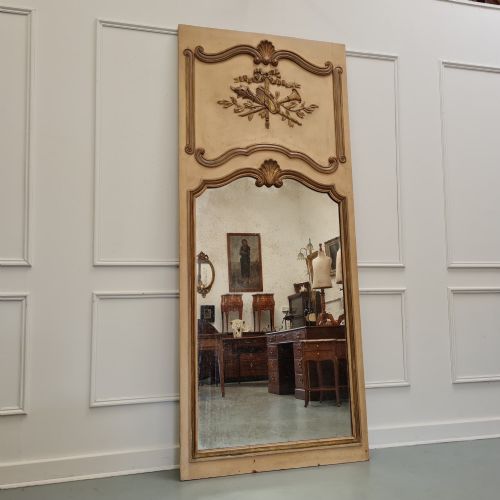


Painted Wooden Pier Glass
These painted wooden pier glass pieces bring period charm and reflected light to a room, offering classic style from the eighteenth, nineteenth, and early twentieth centuries.
Painted Wooden Pier Glass
A painted wooden pier glass is a wall-hanging mirror designed to fit the narrow wall space between windows, often incorporating painted decoration or artwork. Buyers searching for a painted wooden pier glass will find a selection originating mainly from nineteenth-century French, Victorian, and Georgian periods. These pieces serve both a decorative and practical function, brightening interiors with their reflective glass.
The assortment includes architectural trumeau mirrors, shaped top designs, and mirrors paired with oil paintings or reverse glass prints. Continental examples, particularly from France and Italy, appear frequently alongside English pieces. Forms range from large decorative wall mirrors to smaller hall mirrors and divided two-section formats.
Materials and construction
Makers constructed these frames from carved wood, applying gesso layers to create smooth surfaces for paint and gilding. Paint finishes include over-painted gilt, lacquer, and hand-painted motifs, while mirror glass provides the reflective surface. Some pieces incorporate specialised panels such as reverse glass prints or oil paintings set above the main glass.
Framing techniques span simple wooden mouldings to elaborate carved wood and gesso ornamentation characteristic of Rococo Revival and Louis XVI Revival styles. The combination of carved wood, gesso, and applied paint defines the physical build of these mirrors across different periods.
Painted Wooden Pier Glass Retail Price Guide 2026
Typical asking prices for painted wooden pier glass among the pieces listed under this phrase on Sellingantiques today, from the lower quarter to the upper quarter. They describe what is for sale here now, not the wider market.
Listings feature painted wooden pier glass pieces from the eighteenth, nineteenth, and early twentieth centuries, spanning Georgian, Victorian, and Edwardian periods.
Judgements of quality
Quality in these mirrors rests on the execution of the carved wood and the finesse of the painted decoration. Superior examples show crisp carving in the wood and gesso, alongside well-preserved hand-painted artwork or lacquering. Less refined pieces rely on simpler framing with heavier, less detailed over-painting.
The integration of secondary elements, such as original oil paintings in trumeau mirrors or reverse glass prints, elevates the distinction of a piece. The depth and handling of the decorative surface separate standard functional mirrors from more ambitious decorative works.
The Painted Wooden Pier Glass Glossary
- Pier glass
- A tall mirror specifically designed to hang on the pier, the narrow section of wall between two windows. These pieces often feature painted wooden frames.
- Trumeau mirror
- A decorative wall mirror that incorporates a painted panel or oil painting within the upper section of the wooden frame. This style gained popularity in eighteenth and nineteenth-century interiors.
- Gesso
- A plaster-like mixture applied to carved wooden frames to create a smooth surface for painting or gilding. It allows for crisp ornamental detail.
- Reverse glass print
- An image painted or transferred directly onto the back of a glass panel so that it is viewed through the front. These prints frequently appear in the upper sections of period mirrors.
- Chinoiserie
- A decorative style reflecting European interpretations of Chinese and East Asian artistic traditions. It appears on lacquered wooden frames from the Georgian period.
Painted Wooden Pier Glass: Frequently Asked Questions
Where should I hang a pier glass?
These mirrors suit narrow wall spaces, particularly the wall area between two windows where traditional pier glasses were originally placed to maximise light.
They also function effectively in hallways or above mantels, depending on the scale and proportions of the specific frame.
How do I date a painted wooden mirror?
Dating relies on stylistic clues such as carving motifs, frame construction methods, and the type of paint finish applied to the wood.
Georgian, Victorian, and Edwardian examples each display distinct decorative characteristics associated with their respective periods.
Are the mirror plates original?
Many period mirrors retain their original glass, which often exhibits subtle ageing, foxing, or minor imperfections.
Replacement glass does occur in pieces that have undergone restoration during their long history.