

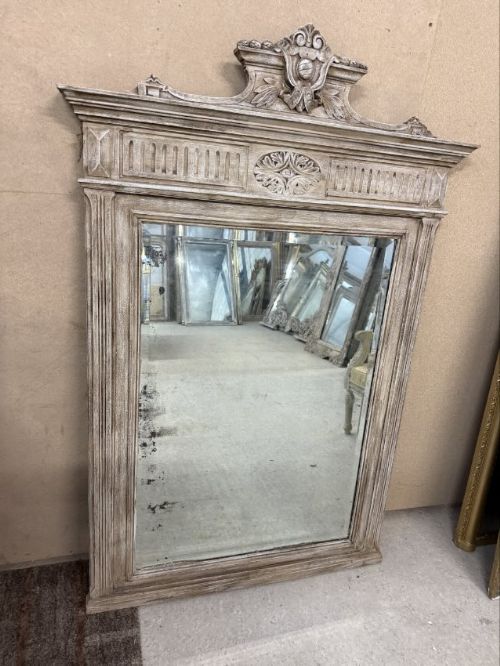
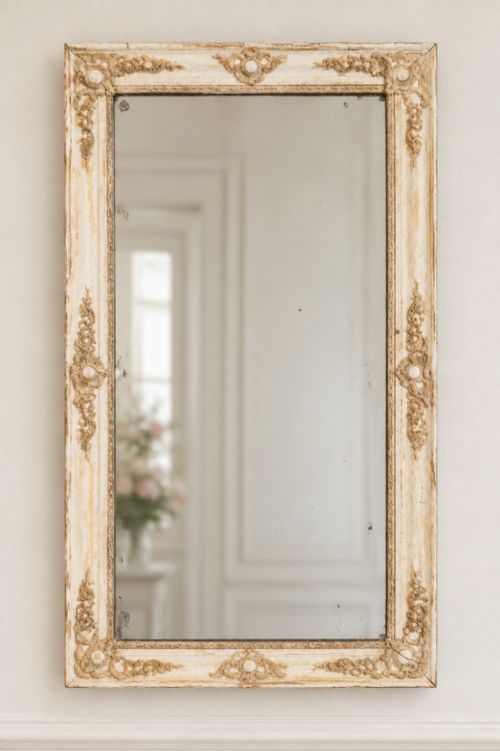
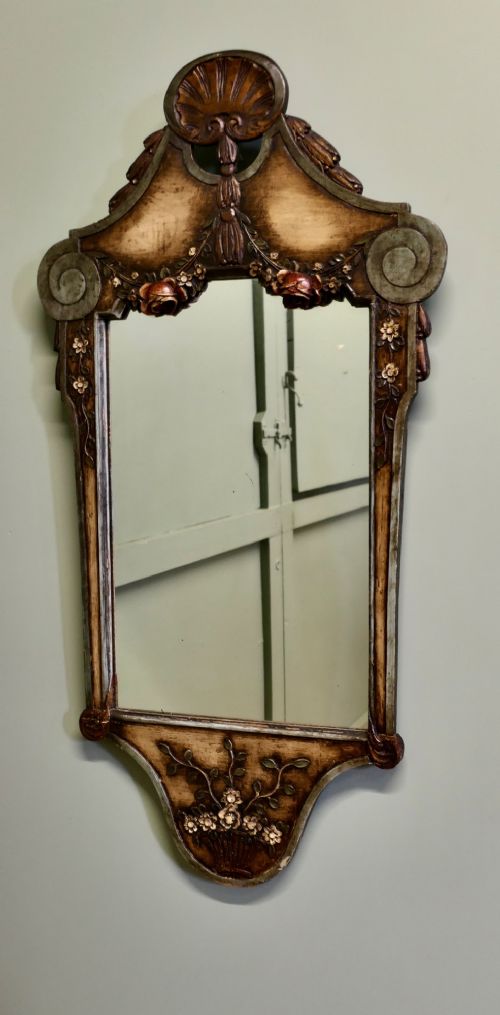
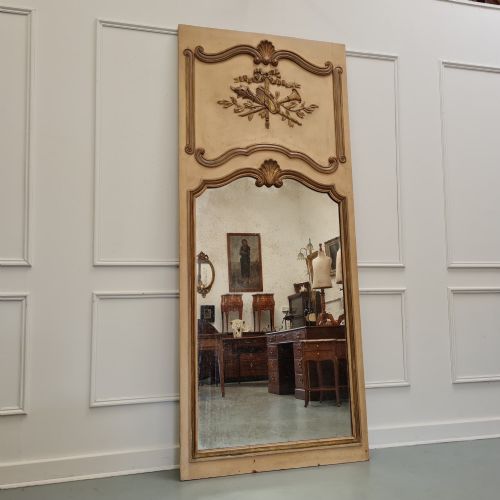


Carved Wooden Trumeau Mirror
A carved wooden trumeau mirror brings architectural presence and antique French style to a room, combining painted woodwork and classic glass plates.
Carved Wooden Trumeau Mirror
When you search for a carved wooden trumeau mirror, you encounter imposing wall-mounted pieces that integrate painted or gilded woodwork with a lower mirror plate. These decorative objects draw heavily on Continental traditions, spanning the eighteenth century through to the early decades of the twentieth century.
The selections on this page lean heavily into French aesthetics, showing styles from Louis XVI revival and provincial designs to architectural eighteenth-century formats and Empire mahogany interpretations. You find large formats designed to anchor a principal room, often incorporating columns, gesso relief, and original mercury plates.
How they were made
Maker construction relies on carved wood carcasses, frequently layered with gesso to build up crisp architectural moulding and decorative relief before the application of paint or gold leaf. Walnut and mahogany provide sturdy structural framing for substantial wall pieces.
Surfaces receive traditional hand-finishing with paint, gilding, or ormolu mounts to achieve the characteristic French chateau look. Original mercury glass plates provide the distinctive reflective quality found in older examples.
Carved Wooden Trumeau Mirror Retail Price Guide 2026
Typical asking prices for carved wooden trumeau mirror among the pieces listed under this phrase on Sellingantiques today, from the lower quarter to the upper quarter. They describe what is for sale here now, not the wider market.
Current listings feature pieces spanning the eighteenth century through the 1930s, using materials including glass, wood, gesso, paint, gold leaf, and mahogany.
What varies in quality
Quality rests in the depth and precision of the carved wood detail and the integrity of the applied gesso ornamentation. Hand-carved elements display sharper definition and more fluid relief than later decorative shortcuts.
The character of the glass plate shifts the appeal significantly, with surviving original mercury plates offering distinct depth and age compared to later replacements. The sophistication of the original painted or gilt finish also dictates the piece's visual weight.
The Carved Wooden Trumeau Mirror Glossary
- Trumeau mirror
- A wall mirror featuring a painted or carved wooden panel integrated above the glass plate. This form originated as architectural panelling within grand rooms.
- Gesso
- A plaster-like mixture applied to wood surfaces to provide a smooth base for gilding and fine carving. It allows artisans to shape crisp decorative relief.
- Mercury plate
- An older type of mirror glass backed with a tin-mercury amalgam, producing a warm, mottled reflection. These plates indicate considerable age.
- Ormolu
- Gilded bronze mounts applied to furniture and mirror frames, particularly during the Empire period. This technique adds metallic contrast to wood surfaces.
- Pier mirror
- A tall mirror designed to hang on the wall space between windows. These pieces often coordinate with console tables placed below.
Carved Wooden Trumeau Mirror: Frequently Asked Questions
Where should I hang a trumeau mirror?
These mirrors suit principal living spaces or above a fireplace mantel where their vertical proportions can command the wall. Their architectural design makes them effective focal points in hallways or dining rooms.
Ensure the wall construction supports the substantial weight of carved wood and glass. Positioning them opposite a window helps maximise light reflection within the room.
How do I identify a French revival style?
French revival pieces adopt classical motifs from earlier reigns, such as symmetrical floral garlands, ribbon twists, and crisp fluted columns. Makers in the nineteenth and early twentieth centuries looked back to these court styles for inspiration.
Look for the characteristic proportions and painted gesso finishes that emulate eighteenth-century originals. The materials and construction methods usually provide clues to the true age of the frame.
What is an original mercury plate?
An original mercury plate is a historic mirror glass manufactured using a tin and mercury backing technique before modern silvering processes took over. This method yields a softer, slightly cloudy reflection with dark speckling.
Collectors prize these plates for the authentic historical character they impart. They distinguish older antique mirrors from pieces fitted with modern replacement glass.
How do I care for antique painted wood?
Maintain painted and gilded wooden frames by dusting gently with a dry, soft cloth to prevent grime accumulation. Avoid liquid cleaners or polishes that might soften historic paint or gesso layers.
Keep the mirrors away from direct sunlight and damp environments to protect the wood and the silvering behind the glass. Stable room temperatures prevent the wooden substrate from expanding and cracking.