


Painted Wooden Mantle Mirror
A painted wooden mantle mirror brings instant architectural depth and soft light to a room, drawing the eye directly to the fireplace hearth.
Painted Wooden Mantle Mirror
A painted wooden mantle mirror sits above a fireplace, anchoring the chimney breast with scale and reflection. The pieces gathered here span the Victorian, Edwardian, and nineteenth-century periods, capturing both English and French regional aesthetics.
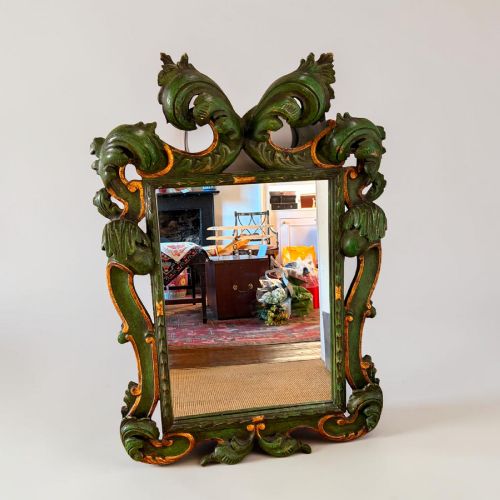
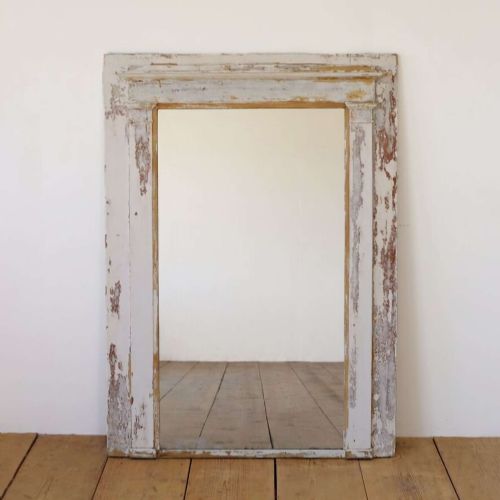
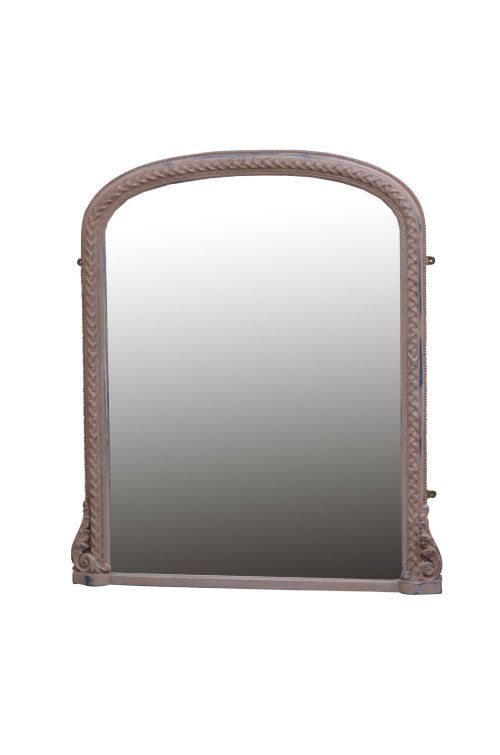
Most examples take the form of large overmantel mirrors designed to command the wall space. You encounter arched top shapes, Louis Philippe profiles, and substantial carved wooden frames finished in layered paint, gilt highlights, and distressed surfaces.
The assortment balances grand proportions with decorative framing, utilising styles such as Neoclassical, French Provincial, and French Chateau. These mirrors function as both practical looking glasses and significant decorative focal points.
Materials and construction methods
Makers constructed these frames from solid timbers including pine and oak, often layering gesso over carved wood to build up crisp decorative mouldings. The application of paint varies from simple monochrome coats to complex multi-toned palettes.
Many frames combine painted surfaces with gilt details, where thin layers of gold leaf or metallic paint accent the carved elements. Original mirror glass is frequently set within these heavy wooden structures, showing the slight imperfections characteristic of older silvering techniques.
The selections available showcase nineteenth-century and Edwardian pieces built from pine, oak, and carved wood, finished in paint, gesso, and gilt.
Distinguishing quality across the range
Quality rests upon the depth of the carving and the architectural harmony of the frame proportions. Superior pieces display finely articulated wooden ornamentation rather than simple applied composition ornament.
The integrity of the painted finish and the retention of original mirror glass significantly influence the character of the piece. Depth in the layering of the paint palette and the crispness of the original joinery mark out the finer examples.
The Painted Wooden Mantle Mirror Glossary
- Overmantel mirror
- A large mirror specifically designed to hang or stand upon the mantlepiece above a fireplace. These pieces are proportioned to match the width of the fireplace surround below.
- Gesso
- A plaster-like mixture applied to wood frames to create a smooth surface for painting or gilding. It allows craftsmen to carve intricate relief details before finishing.
- Louis Philippe
- A mid-nineteenth-century French style characterised by a simple arched top and softly rounded upper corners. This design avoids excessive ornamentation in favour of clean, elegant curves.
- Distressed
- A surface finish showing natural wear, age, or intentional softening of the paint layer. This quality reflects decades of domestic use and patination.
- Giltwood
- Timber that has been covered with a thin layer of gold leaf or metallic gilt. It frequently appears alongside painted surfaces to catch the flickering light of a fire.
Painted Wooden Mantle Mirror: Frequently Asked Questions
How do I hang a heavy painted wooden mantle mirror safely?
These mirrors carry substantial weight due to their timber frames and thick glass. They require heavy-duty fixings secured directly into the masonry or wall studs above the fireplace.
Many large overmantel mirrors are also designed to rest on the mantle shelf itself while being anchored securely to the wall to prevent tipping.
What is the difference between an overmantel mirror and a standard wall mirror?
Overmantel mirrors are specifically proportioned in width to sit comfortably above a fireplace opening. Their frames often feature robust wooden construction and architectural details suited to a chimney breast.
Standard wall mirrors lack this specific horizontal emphasis and are typically balanced for general room placement rather than anchoring a hearth.
How can I date a nineteenth-century painted wooden mantle mirror?
Dating relies on examining the construction methods of the wooden frame, the type of backboards used, and the style of the carving. Victorian and Edwardian pieces exhibit distinct proportions and decorative motifs ranging from heavy Victorian moulding to simpler Edwardian ovals.
The condition of the paint layers and the presence of original glass also provide strong clues to the era of manufacture.
Should I touch up the worn paint on an antique mirror frame?
Preserving the original surface patination is generally preferred by collectors and dealers. The accumulated wear and distressed layers tell the story of the piece's age and history.
Intervention should be limited to cleaning the surface gently rather than applying fresh paint over historical finishes.