
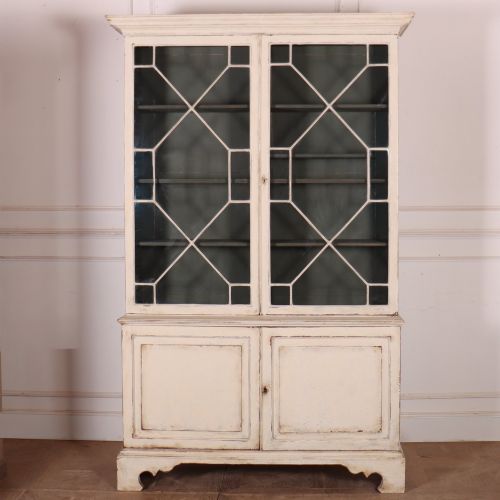
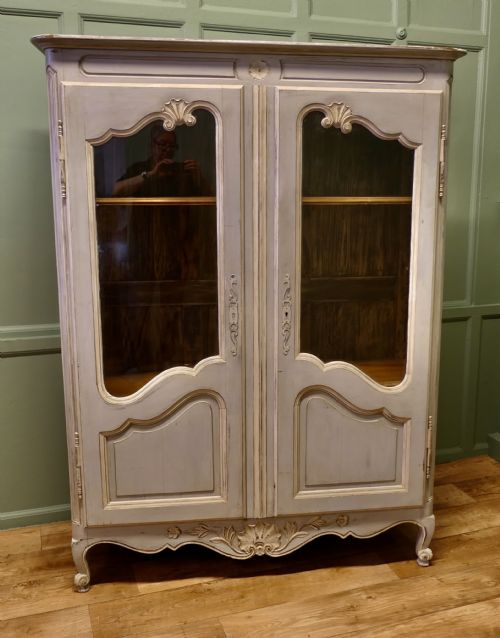
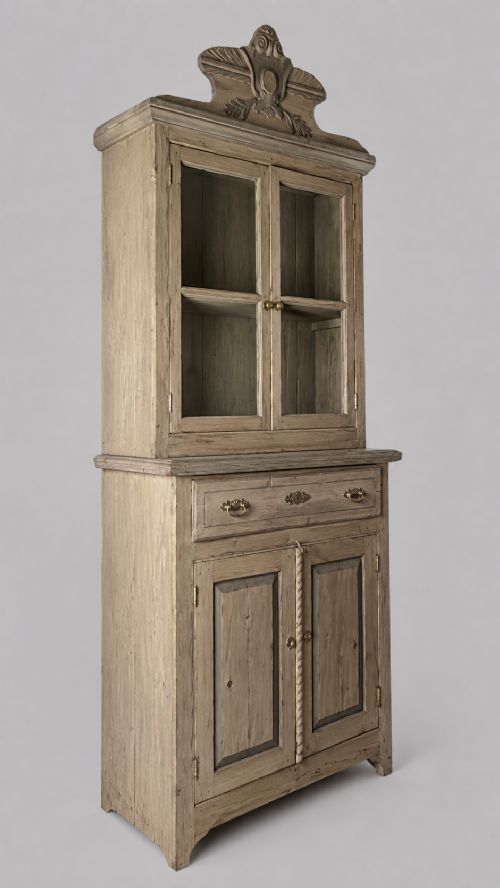
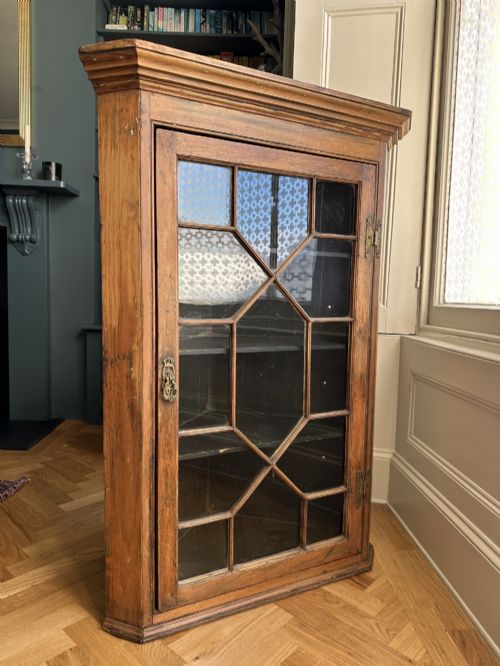


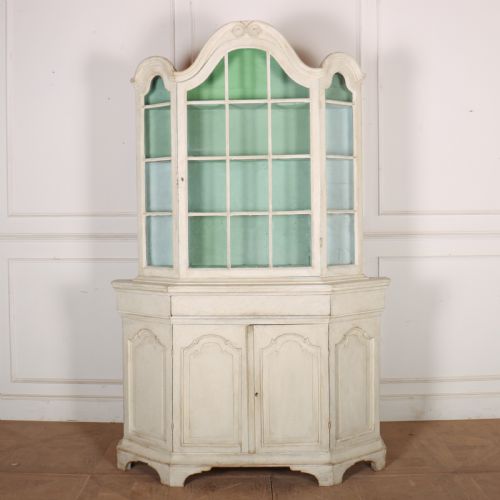


Painted Wooden Glazed Cabinet
A painted wooden glazed cabinet brings both colour and practical display space to a room, offering a traditional way to store and show books or china.

Painted Wooden Glazed Cabinet
When you search for a painted wooden glazed cabinet, you are looking at items designed to protect and display contents behind glass doors while adding colour or texture to an interior through painted finishes. The selection here spans multiple centuries and regional styles, from English country furniture to French provincial pieces.
The version you are most likely to meet on this page is a nineteenth-century pine or timber cupboard, often featuring glass panels and a painted exterior or interior. These range from corner cupboards and kitchen dressers to tall bookcases and vitrines.
Origins vary across English, French, Dutch, and Irish traditions, showing styles such as Georgian revival, French rococo, and rustic farmhouse. Institutional pieces from the nineteen-twenties and nineteen-thirties also appear, reflecting school and library origins.
How they were made
Makers built these cabinets using solid woods like pine, oak, walnut, and satinwood, applying paint finishes directly to the timber. Brass hardware often secured the doors and drawers alongside the glass panes fitted into the wooden frames.
Construction techniques relied on traditional joinery suited to heavy domestic or institutional use. Surfaces received layers of paint, sometimes creating scrubbled or distressed finishes over the original wood.
School art departments and libraries occasionally yield sturdy glazed cabinets built to survive generations of restless students.
What varies in quality
The standard of a painted wooden glazed cabinet depends on the integrity of the timber frame and the originality of the painted surface. Pieces retaining their early or original paint schemes hold a different character compared to later overpainting.
Proportion and the quality of the glass glazing bars also define the workmanship. Finer examples display balanced joinery and considered detailing, whether in a simple country dresser or an ornate breakfront bookcase.
Edwards & Roberts
The Painted Wooden Glazed Cabinet Glossary
- Vitrine
- A glass-fronted cabinet designed for displaying fine objects or porcelain. These often feature glazed sides as well as doors.
- Scrumbled
- A decorative paint technique involving translucent layers dragged or mottled over a lighter base to imitate grain. This finish appears frequently on nineteenth-century country pine.
- Breakfront
- A piece of furniture where the central section projects forward from the flanking sides. This architectural arrangement adds depth to large bookcases.
- Bombe
- A swelling, outward-curved profile found on the lower portion of certain continental cupboards and chests. It requires advanced woodworking skill to shape.
- Dresser
- A dual-purpose item featuring lower cupboards or drawers, occasionally topped with open shelves or a glazed upper section. Kitchen versions originate from English and Irish traditions.
Painted Wooden Glazed Cabinet: Frequently Asked Questions
What is a painted wooden glazed cabinet?
A painted wooden glazed cabinet is a storage item featuring glass doors and a painted timber body, used for books, china, or display.
They combine practical enclosed storage with visible display space through the glass panels.
Where were these cabinets made?
These cabinets originate from various regions including England, France, Ireland, and the Netherlands. Regional workshops produced distinct styles ranging from country dressers to formal breakfronts.
Institutional pieces from schools also contribute to the selection.
How do I style a glazed cabinet?
Position a painted glazed cabinet in a dining room, kitchen, or living space to display books or tableware while adding colour to the room.
The glass doors protect the contents from dust while keeping them visible.
What woods were used?
Common timbers include pine, oak, walnut, and satinwood, often painted or stripped depending on the period and regional style.
Secondary woods appear inside drawers and backing boards.