






Painted Wooden Door Panel
A painted wooden door panel brings architectural character into a room, offering centuries of pigment and craftsmanship repurposed for modern interiors.

Painted Wooden Door Panel
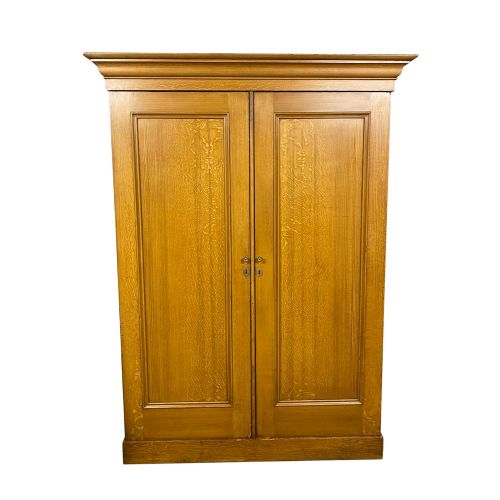
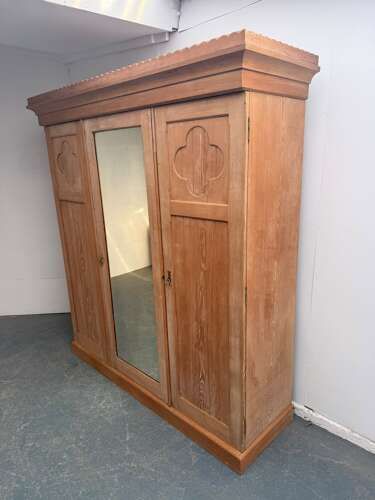
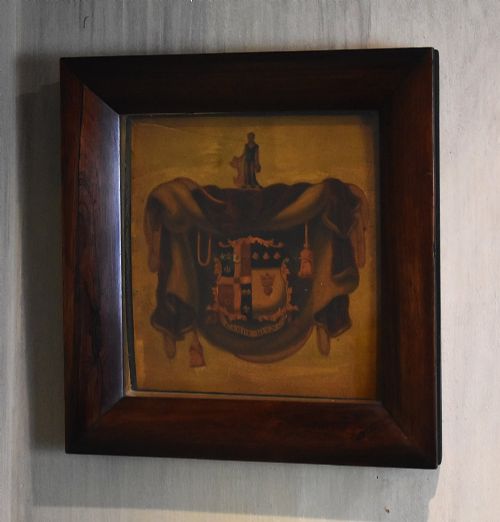
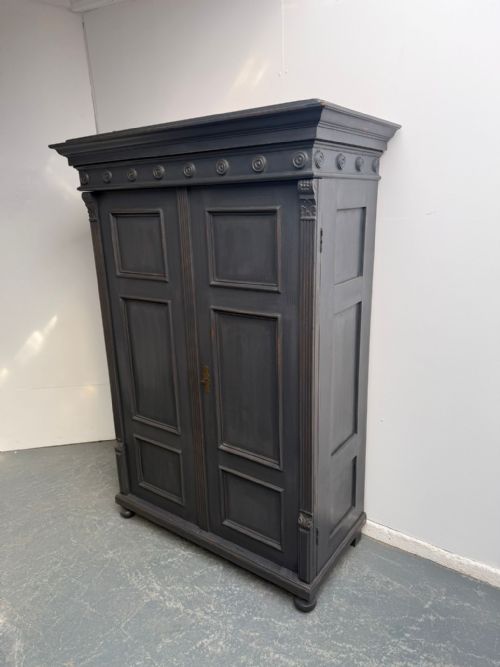
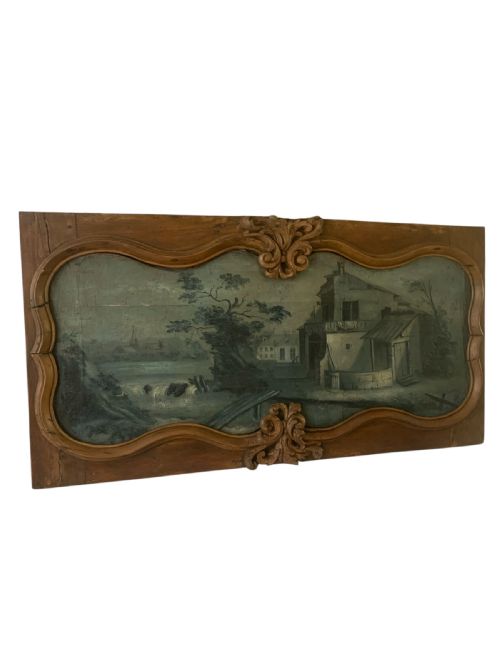
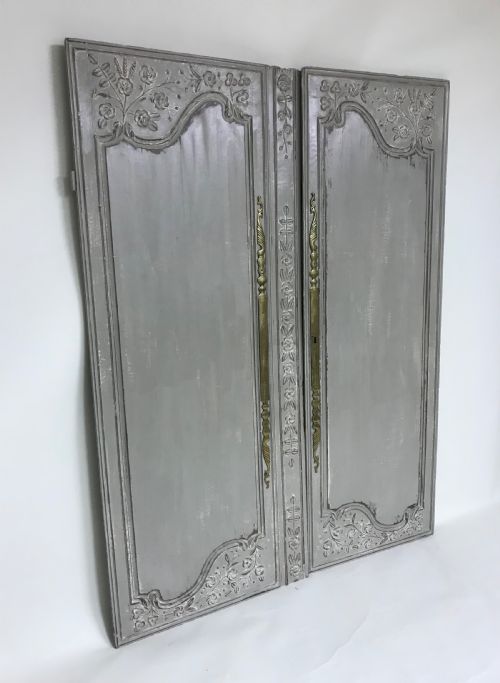
The selection here encompasses French carved wall panels, Georgian heraldic coach panels, and vibrant Indian painted doors housed in original frames. Examples range from eighteenth century overdoor architectural paintings to nineteenth century rustic French and Scandinavian cupboard elements. Each piece retains traces of historic utility, whether deployed as a compactum wardrobe component or an independent panel.
Buyers most frequently meet nineteenth century French and English panels alongside distinct regional pieces such as Hungarian storage cupboards and traditional Indian woodwork. The form bridges the gap between utilitarian salvage and fine decorative art, carrying genuine age and weathered surfaces. Selecting a painted wooden door panel allows collectors to introduce authentic period texture directly onto plain walls.
How they were made
Construction relies upon traditional solid timbers such as pine, oak, walnut, ash, and cherrywood, shaped through hand carving and joinery. Artisans built these panels to withstand daily structural demands, utilising sturdy planks joined to resist warping. Iron and brass hardware often accompanied the woodwork, securing the panels within larger architectural frameworks or doors.
Surface decoration involved layered paintwork, gold leaf application, and scumble glazing to imitate finer timbers or provide vibrant polychrome finishes. Painters worked with traditional oil and water-based pigments, sometimes incorporating etched and painted glass elements into the broader composition. The resulting finishes developed rich patinas through decades of exposure and wear.
Painted Wooden Door Panel Retail Price Guide 2026
Typical asking prices for painted wooden door panel among the pieces listed under this phrase on Sellingantiques today, from the lower quarter to the upper quarter. They describe what is for sale here now, not the wider market.
Several panels double as covert storage, whispering secrets from centuries past through hidden compartments and faux cabinetry.
What varies in quality
Quality resides in the integrity of the original paint surface and the depth of the hand carving executed by the maker. Panels retaining their untouched, early surface decoration command greater interest than those stripped or heavily restored in later periods. The sharpness of carved motifs, such as cherubs or heraldic devices, distinguishes superior artistic output from utilitarian joinery.
Proportion and structural survival dictate the visual impact of the piece within an interior. Elements that preserve their original framing or retain context as overdoors offer greater coherence than isolated fragments cut down from larger pieces. The harmonious ageing of timber and pigment creates the tiered levels of desirability found across the range.
The Painted Wooden Door Panel Glossary
- Overdoor
- A decorative panel positioned directly above a doorway, frequently painted or carved to match the architectural scheme of a grand interior. These pieces function independently as wall art when removed from their original setting.
- Scumble
- A translucent layer of dark paint manipulated over a lighter base colour to simulate the grain of expensive timbers like oak or walnut. This technique was widely utilised by nineteenth century decorators.
- Architectural salvage
- Building materials and decorative elements rescued from structures slated for demolition or remodelling. Items range from complete doors to small carved panels.
- Coach panel
- A section of timber taken from horse-drawn carriages, often embellished with heraldic crests or fine decorative painting. These panels display high levels of specialist coach painting skill.
Painted Wooden Door Panel: Frequently Asked Questions
How do I hang a heavy wooden panel safely?
Heavy wooden panels require secure fixings anchored directly into wall studs or masonry using appropriate weight-rated brackets. Professional installation ensures the structural load distributes evenly without damaging the antique timber.
Consulting a specialist art handler is advisable for particularly large architectural fragments or framed door assemblies.
Can these panels be used outdoors?
Historic painted surfaces and dry timbers deteriorate rapidly when exposed to moisture, frost, and direct sunlight. Exterior placement causes paint to flake and wood to warp beyond repair.
Keeping these pieces inside maintains the stable environment required to preserve centuries-old pigments.
How do I clean an old painted surface?
Dust the panel gently using a soft, dry microfibre cloth to remove surface particles without disturbing fragile paint layers. Avoid water, commercial cleaning agents, or harsh chemical solvents that strip historic finishes.
Professional conservators should handle any deeper cleaning or consolidation of flaking pigment.
What distinguishes an overdoor panel from standard wall art?
Overdoor panels possess specific horizontal proportions designed to span the architectural void above a door frame. Their subjects often feature central cartouche designs or symmetrical motifs suited to elevated viewing.
Standard wall art typically follows vertical or square formats intended for eye-level display.