



Painted Wooden Coffer Chest
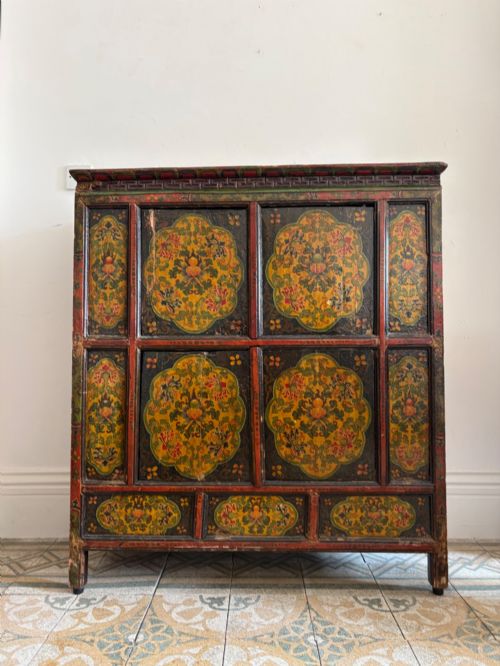
A painted wooden coffer chest provides sturdy utility while wearing centuries of pigment, folk art decoration and regional history upon its surface.
Painted Wooden Coffer Chest
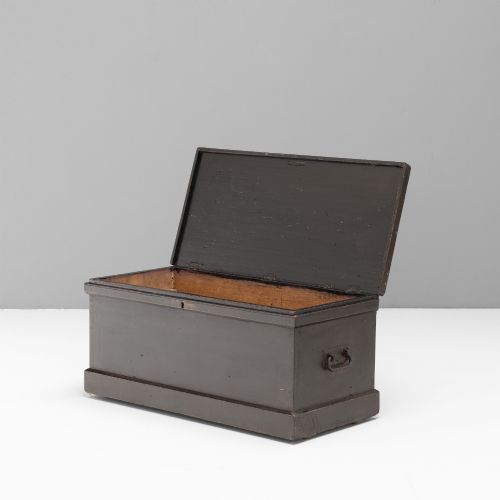
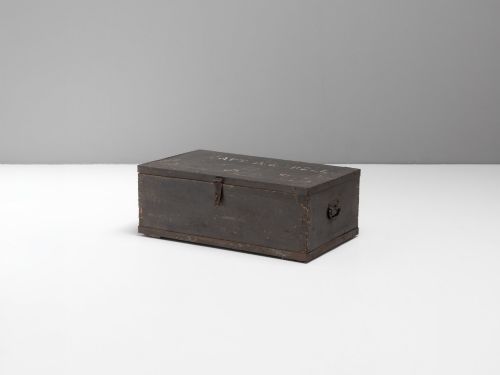
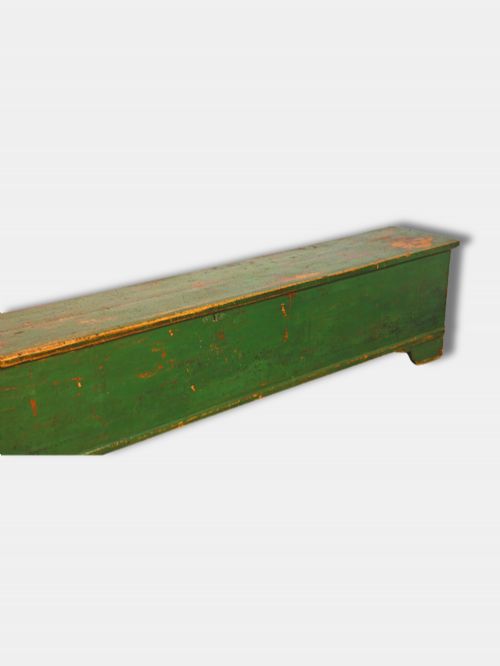
A painted wooden coffer chest serves as a robust storage solution designed to hold blankets, personal effects or domestic gear across generations. These pieces appear primarily in pine and other sturdy woods, often decorated with folk art motifs or original regional pigments.
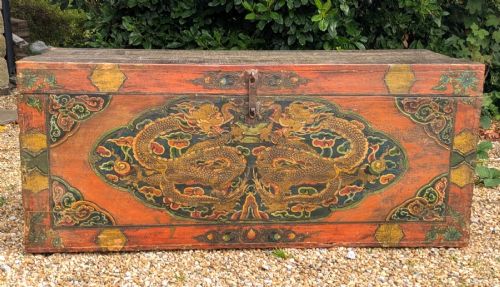
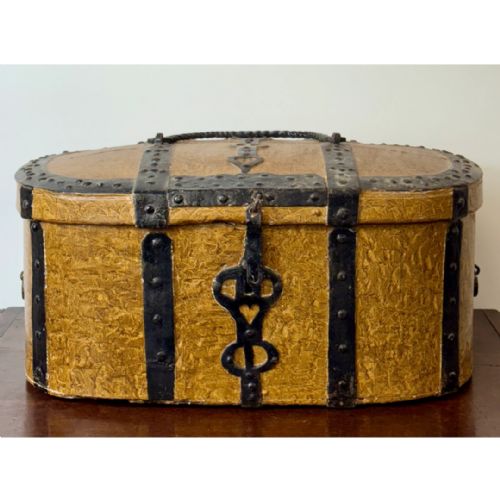
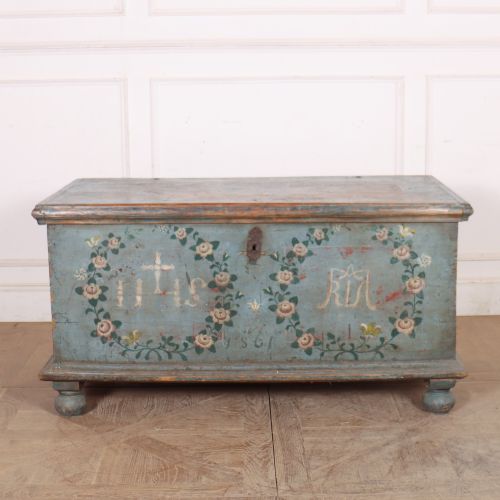
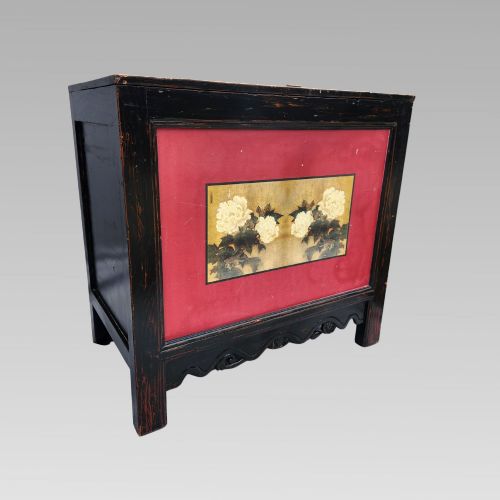
The varieties seen on this page range from nineteenth-century Swedish marriage chests and Hungarian coffer boxes to Victorian blanket boxes and campaign trunks. Buyers encounter domestic storage boxes shaped by distinct European and global traditions, from Scandinavian folk art to Spanish Moorish styles.
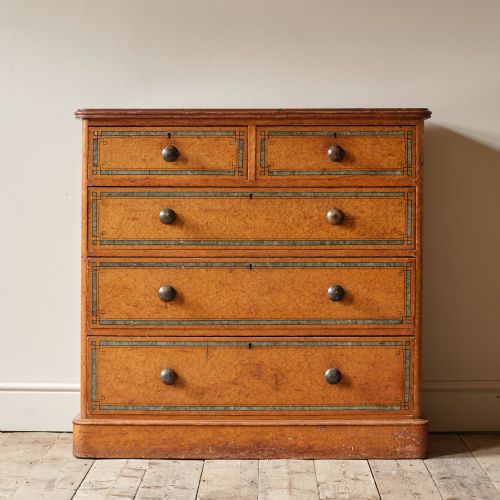
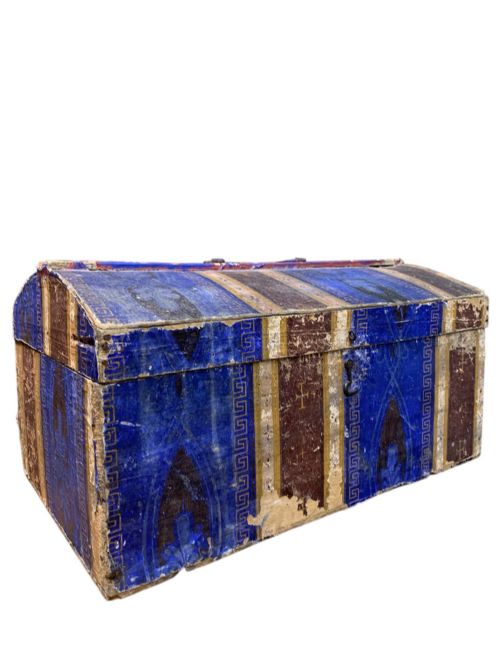
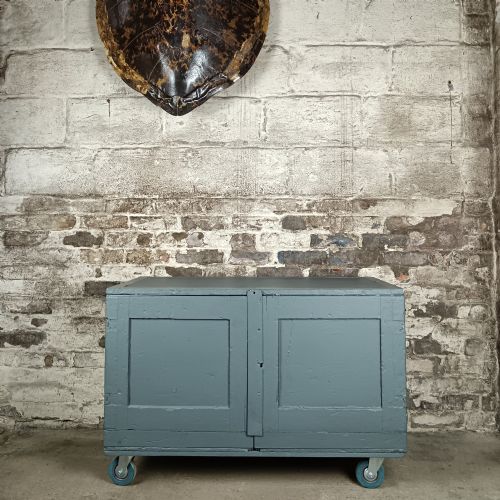
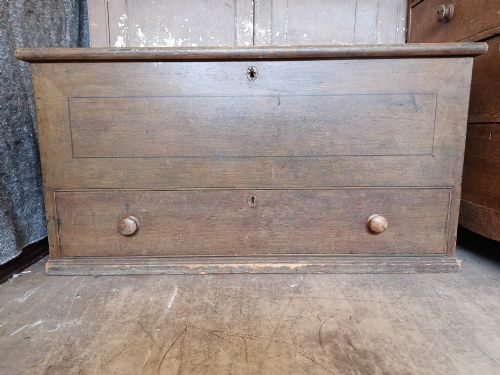
Forms include dome top chests, mule chests with lower drawers, and strong boxes reinforced for travel or security. Each variation reflects the specific domestic or transport needs of its period, from rural homesteads to military campaigns.
How They Were Made
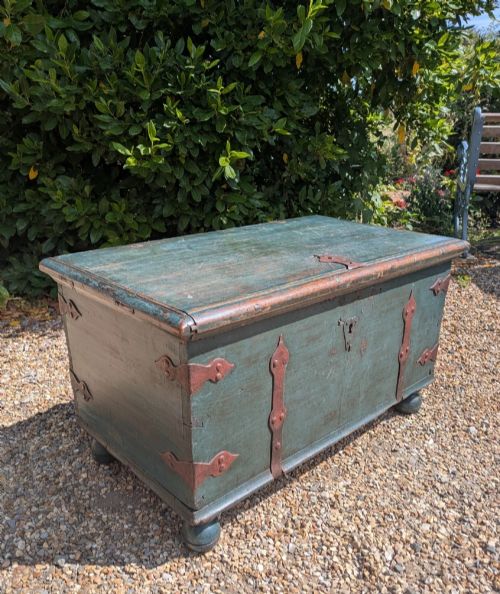
Construction relies heavily on pine planks joined to form deep, rectangular bodies with hinged lids designed to protect contents from dust and dampness. Joinery is reinforced with hand-forged iron strapwork, brass fittings or metal banding to withstand heavy travel and daily domestic use.
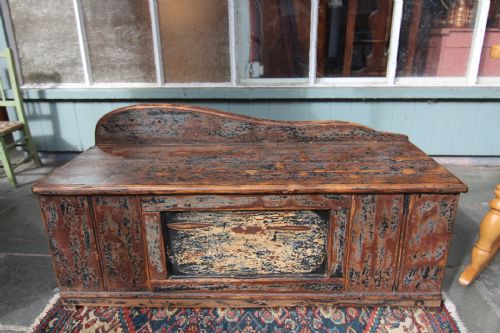
Surfaces receive layers of paint, pigment or mineral pigment, often applied by hand to create floral decorations, scumble finishes or bold block colours. Many examples retain their original paint schemes, showing decades of wear that highlight the underlying wood grain and brushwork.
Painted Wooden Coffer Chest Retail Price Guide 2026
Typical asking prices for painted wooden coffer chest among the pieces listed under this phrase on Sellingantiques today, from the lower quarter to the upper quarter. They describe what is for sale here now, not the wider market.
Period examples span the eighteenth century, the Regency era, Victorian times and the early twentieth century.
What Varies in Quality
Quality rests upon the survival of original paint surfaces and the integrity of the underlying timber construction. Pieces retaining untouched regional decoration or authentic estate markings hold greater historical character than those with later repainting.
The sophistication of the hand-painted decoration, from simple folk motifs to elaborate floral schemes, distinguishes standard utility boxes from celebratory marriage chests. Structural preservation, including original wrought iron strapwork and functioning hinges, also defines the standing of each box.
The Painted Wooden Coffer Chest Glossary
- Coffer
- A heavy wooden box used for storing valuables, linen or documents. These storage pieces often feature hinged lids and sturdy iron reinforcement.
- Mule chest
- A traditional storage chest featuring one or more drawers built beneath the main compartment. This form bridges the utility of a trunk with the organisation of a chest of drawers.
- Scumble
- A decorative painting technique involving layers of translucent or opaque colour dragged over a base coat to simulate graining or texture. It appears frequently on nineteenth-century pine furniture.
- Strapwork
- Ornamental bands of metal, typically iron or brass, fixed across the exterior of a chest to reinforce the joints and corners. Hand-forged examples add both structural strength and visual contrast.
- Marriage chest
- A celebratory storage box commissioned or decorated for a wedding, frequently bearing initials, dates or elaborate floral folk art. These pieces were central to domestic life in regions such as Scandinavia and Hungary.
Painted Wooden Coffer Chest: Frequently Asked Questions
How were these chests used?
These boxes served as primary storage for textiles, clothing, valuables and personal documents in homes where fitted closets were uncommon. Many travelled across regions or oceans, functioning as durable transport trunks for soldiers, sailors and migrants.
In domestic settings, they often doubled as seating benches or tables at the foot of beds. Their robust construction allowed them to withstand heavy daily use while keeping contents secure from pests and moisture.
How do I identify original paint?
Original paint surfaces show natural wear, craquelure and fading that correspond to the age of the timber beneath. Examination under close light reveals consistent ageing across the pigment layers without modern primers underneath.
Later overpainting often sits heavily in corners or masks the natural patina of the underlying wood. Genuine early surfaces display integration between the paint and the pine substrate through decades of handling.
Where did regional styles originate?
Regional decoration reflects the distinct folk art traditions of makers across Europe and beyond, including Sweden, Hungary, Spain and China. Scandinavian and Hungarian examples frequently showcase floral motifs and marriage dates associated with rural communities.
Other variations, such as campaign chests and military packing cases, originate from British and international service requirements. Each geographic origin imparts specific construction methods and colour palettes to the box.
How do I care for a painted chest?
Maintenance requires keeping the chest away from direct sunlight and sudden humidity shifts to protect fragile historic pigments. Dusting with a dry, soft cloth preserves the surface without introducing moisture that could damage old wood and paint.
Avoid applying modern furniture polishes or waxes unless tested on an inconspicuous area, as many historic finishes react poorly to chemical treatments. Preserving the natural environment ensures the longevity of both the timber and the original decoration.