
Painted Wooden Boxes
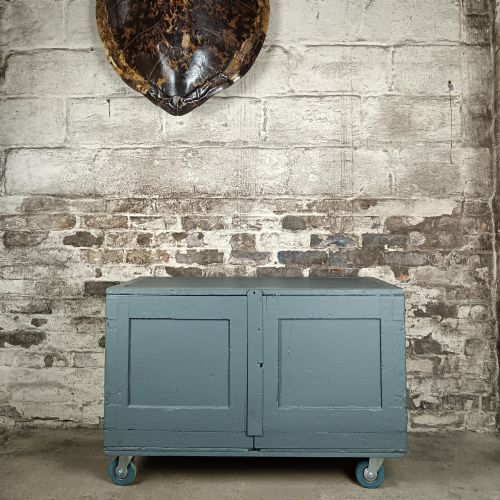
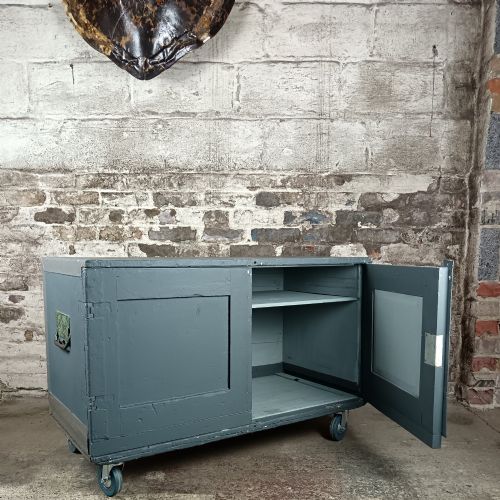
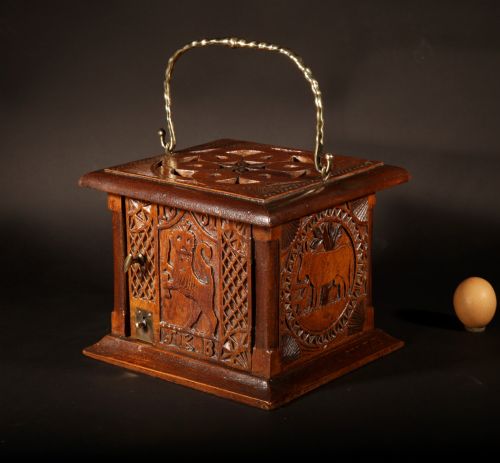
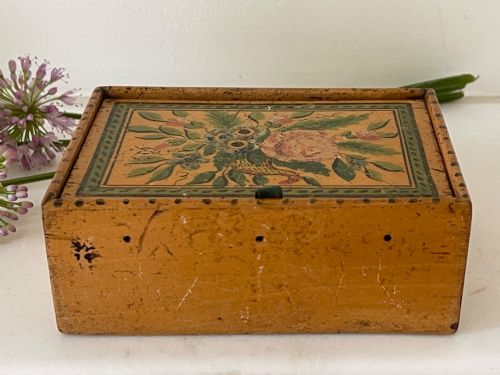
These painted wooden boxes combine utilitarian storage with regional folk art traditions, offering collectors durable containers decorated with period pigments.
Painted Wooden Boxes
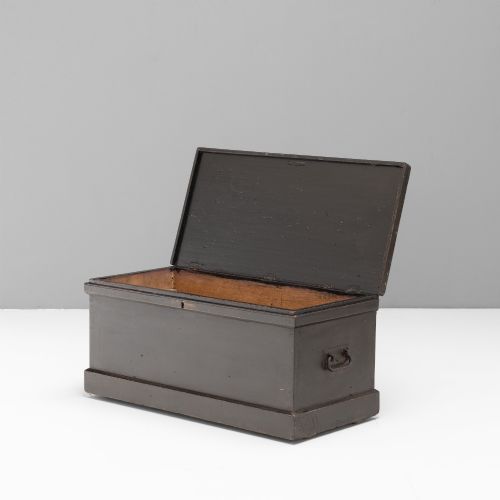
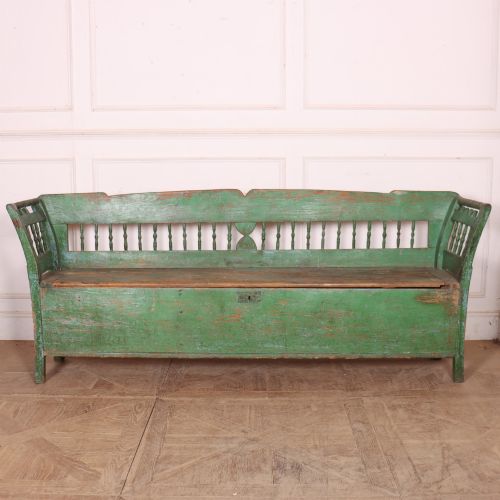
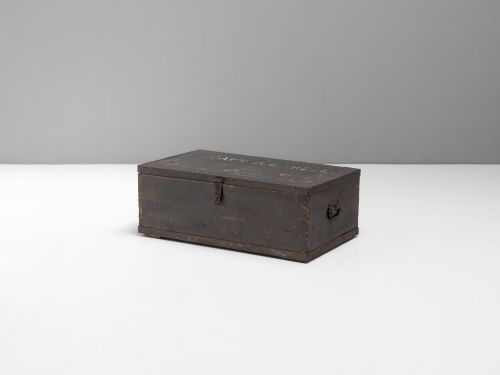
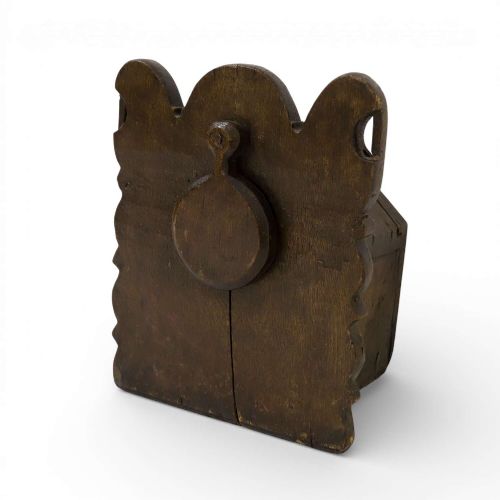
Painted wooden boxes encompass a broad functional range, from small decorative containers and artist paintboxes to large blanket chests and marriage trunks. Buyers searching for painted wooden boxes encounter diverse regional forms, notably Scandinavian and Hungarian folk art pieces alongside British and European domestic items.
The inventory spans several centuries, drawing heavily on nineteenth-century Victorian and Georgian examples, with occasional eighteenth-century survivals and early twentieth-century utilitarian boxes. Pine serves as the primary wood support for these painted surfaces, though mahogany, oak, beechwood, and fruitwood also appear across specific functional categories like artist boxes and tobacco containers.
Materials and construction methods
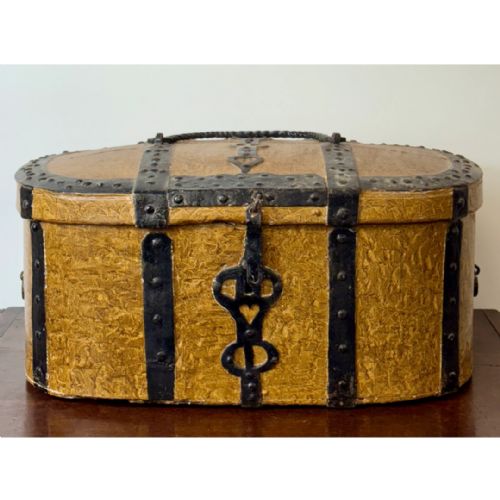
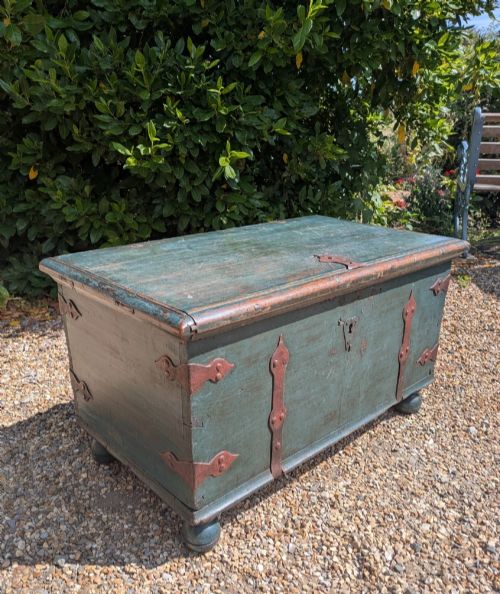
Makers built these containers primarily from native softwoods like pine, often utilising durable dovetail or tongue-and-groove joints to withstand heavy transport and daily domestic use. Iron strapwork, brass hinges, and carrying handles reinforce the structural integrity of larger trunks and campaign chests.
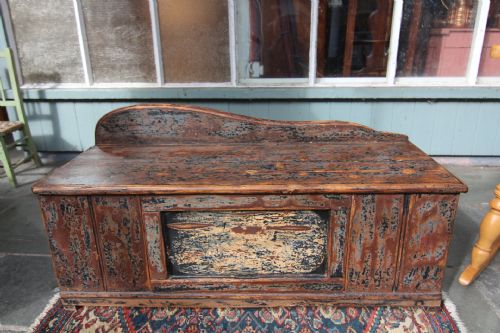
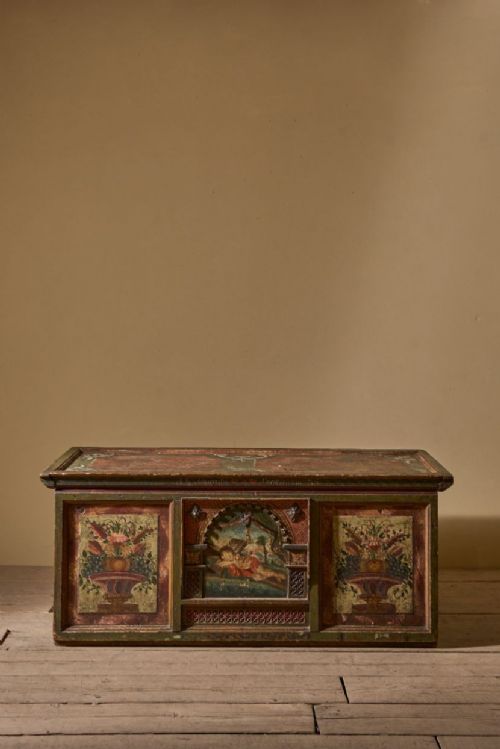
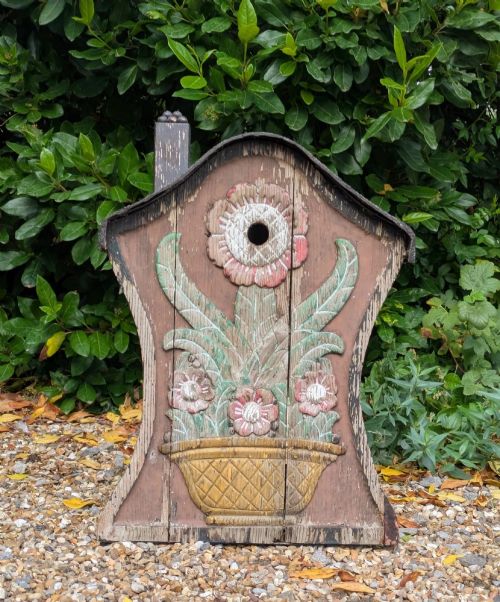
Surfaces were prepared with ground layers before applying oil-based or distemper paints, sometimes enhanced with scumble glazes to imitate more costly timbers. Decoration frequently incorporates hand-painted floral motifs, regional folk patterns, or simple colour washes that aged alongside the underlying timber.
Listings feature items spanning from the seventeenth century through to the 1930s, constructed predominantly in pine, mahogany, and oak.
Assessing quality and authenticity
Quality rests significantly on the preservation of the original surface finish versus later overpainting or stripping. Pieces retaining untouched period paint with natural patination command greater interest among collectors than those with compromised or restored decoration.
Structural honesty and original hardware also dictate worth, distinguishing utilitarian pieces retaining contemporary iron strapwork or maker-stamped fittings from altered examples.
Bourgeoise Aine Paris·George Blackman·Victorian Rogers
The Painted Wooden Boxes Glossary
- Folk art
- Artistic work produced from an indigenous culture or peasant tradition, often characterised by naive perspective and vibrant decorative paint.
- Scumble
- A painting technique involving a thin, translucent layer of dark colour dragged over a lighter base to create mottled textures.
- Mule chest
- A traditional storage chest featuring one or more drawers at the base beneath a hinged lid compartment.
- Campaign case
- A portable chest or box constructed in sections with recessed brass handles for military transport.
- Treen
- Small handmade wooden domestic objects, encompassing turned or carved containers like tobacco jars and boxes.
Painted Wooden Boxes: Frequently Asked Questions
What were painted wooden boxes used for?
These boxes served practical domestic and travel functions, ranging from household blanket storage and estate management to specialised transport for artists' watercolours and military equipment.
Larger chests held textiles and valuables in farmhouses, while smaller decorative boxes preserved tobacco, reels, or personal items.
How do I identify original paint?
Original paint exhibits natural craquelure, fading, and wear patterns consistent with age rather than artificial distress.
Examination under magnification often reveals historic ground layers and pigment oxidation beneath accumulated layers of wax or dirt.
Are these boxes suitable for daily use?
Sturdy pine and hardwood construction makes many of these boxes robust enough for contemporary storage in domestic settings.
Care should be taken to protect historic painted surfaces from direct sunlight, excessive moisture, and heavy abrasion.
How do regional styles differ?
Regional pieces reflect the folk art traditions of their origin, such as floral motifs on Hungarian marriage chests or geometric patterns on Scandinavian boxes.
British examples often adhere to more restrained utilitarian or military aesthetics, utilising scumble glazes or plain painted pine.