
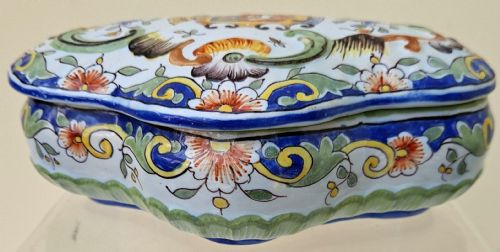


Painted Floral Trinket Box
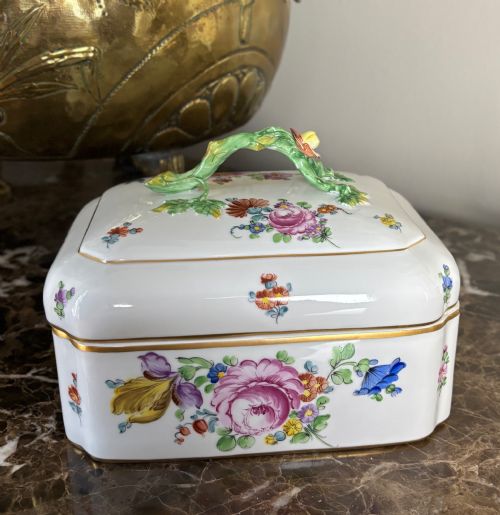
A painted floral trinket box holds small keepsakes while displaying delicate botanical motifs across wood, lacquer, porcelain, and metal.
Painted Floral Trinket Box
A painted floral trinket box serves as a small receptacle for personal valuables, small documents, or cosmetics. These pieces emerge from periods spanning the eighteenth, nineteenth, and early twentieth centuries, reflecting diverse international origins.
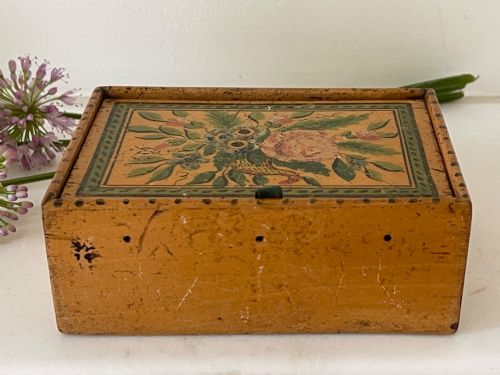
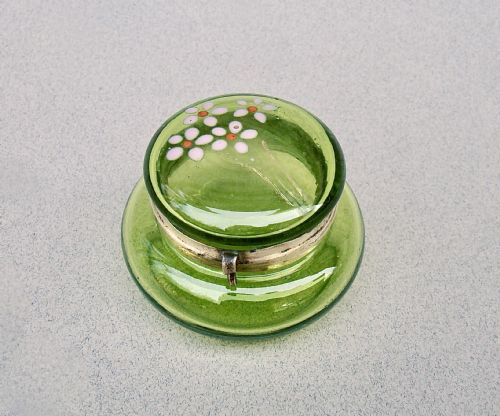
The selection on this page encompasses varied forms such as patch boxes, bonbonnières, jewellery caskets, and games boxes. Buyers frequently encounter nineteenth-century specimens utilising wood, glass, enamel, and papier-mâché decorated with floral designs.
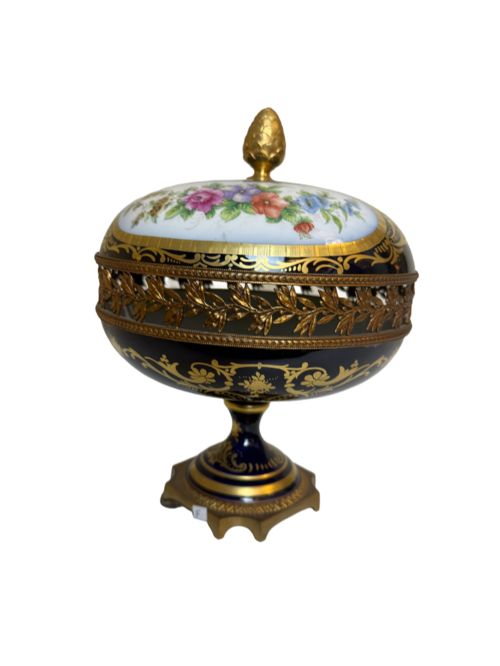
Makers across Georgian, Regency, and Victorian eras applied botanical ornamentation to practical domestic items, ranging from simple folk art pine receptacles to refined porcelain and ormolu caskets.
Materials and Techniques
Craftsmen built these receptacles using timber such as pine and oak, alongside papier-mâché, glass, ceramic, and metal alloys. Artisans then applied paint, lacquer, and occasionally gold leaf to the exterior surfaces.
Decoration relied on hand-painted floral motifs executed directly onto the prepared base or layered beneath protective lacquer and glaze. Specialised techniques such as penwork, pokerwork, and enamel firing appear frequently across the regional traditions represented.
Several boxes spent centuries hiding secret compartments meant for very tiny gossip notes.
Factors of Quality
The refinement of the hand-painted floral decoration dictates much of the distinction between standard items and finer works. Detailed brushwork and sophisticated colour blending elevate the visual impact of the piece.
The integrity of the base material, whether delicate porcelain, turned wood, or layered papier-mâché, combined with the preservation of the original painted surface, marks the distinction among surviving examples.
The Painted Floral Trinket Box Glossary
- Bonbonniere
- A small ornamental box intended for holding sweets or confectionary. These containers often feature hinged lids and detailed exterior decoration.
- Patch box
- A diminutive container originally designed for holding cosmetic beauty patches worn on the face. Eighteenth-century examples frequently utilise enamel on copper.
- Papier-mache
- A composite material made from paper pulp or reinforced sheets mixed with binding adhesive, moulded and dried into rigid forms. It provides a smooth surface for lacquer and paint.
- Penwork
- A decorative technique utilising India ink applied with a fine pen to create intricate line drawings on wood. This method often mimics inlaid wood or engraving.
- Ormolu
- Gilded bronze mounts applied to furniture and decorative objects. These metal fittings provide structural accents and decorative borders.
Painted Floral Trinket Box: Frequently Asked Questions
What were these small boxes used for originally?
These receptacles held personal items such as rings, pins, patches, and small coins. Wealthy households utilised them on dressing tables and in drawing rooms.
Over time, owners adapted them to store sewing supplies, game counters, and everyday keepsakes safely.
How do I distinguish between Regency and Victorian pieces?
Regency items often display linear penwork, classical motifs, and restrained proportions typical of the early nineteenth century. They frequently include games boxes and Tunbridge ware.
Victorian specimens tend towards heavier ornamentation, incorporating papier-mâché, mother-of-pearl inlay, and vibrant floral lacquerwork suited to mid-century interiors.
Are painted floral designs delicate to maintain?
Painted surfaces require gentle care, avoiding direct sunlight and excessive moisture to prevent fading or lifting of the pigments. Dusting with a dry, soft cloth preserves the finish.
Enamel and glazed ceramic surfaces tolerate slightly more robust handling than exposed wood or papier-mâché layers.
Where were most of these decorative boxes made?
The listings show production spanning England, France, Germany, Italy, Scandinavia, India, and Persia. Each region employed distinct local materials like Kashmiri lacquer or Limoges porcelain.
Trade and local craft traditions heavily influenced the specific regional decoration and structural forms found today.