


Antique English Casket
An antique English casket brings tangible history to a dressing table or desk, offering secure storage for personal valuables.
Antique English Casket
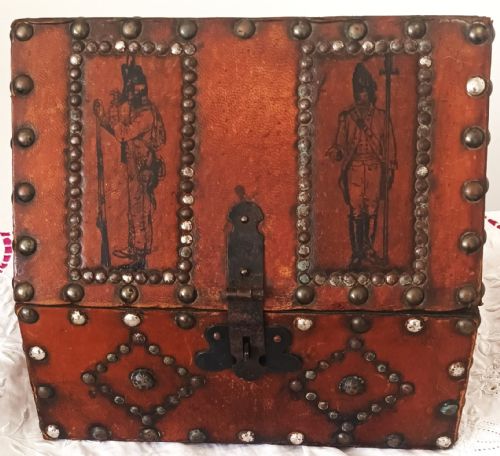
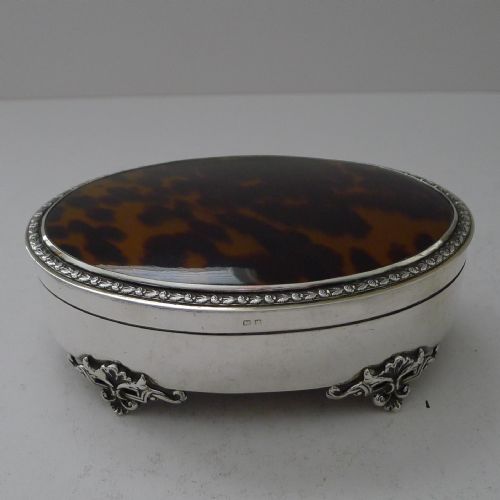
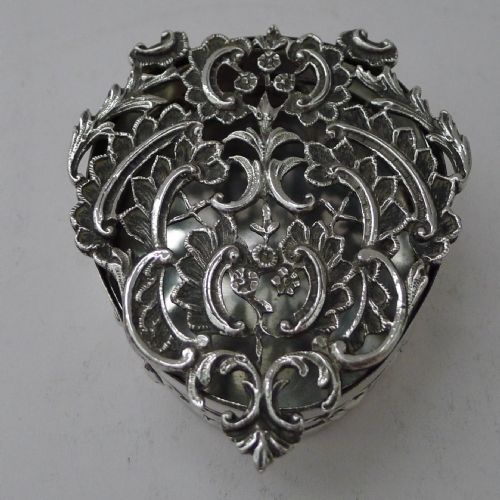
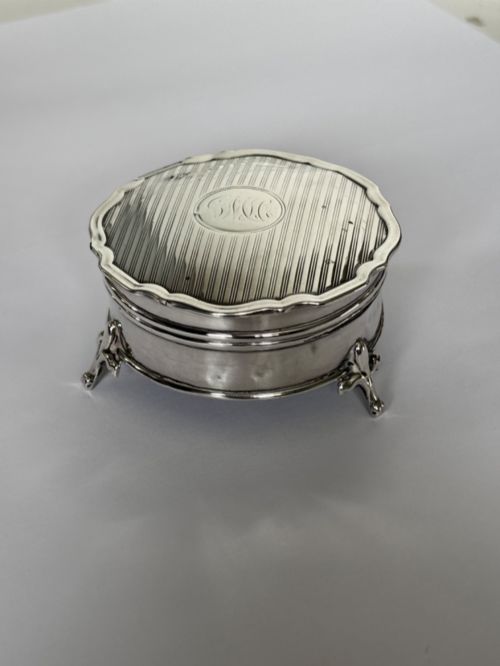
An antique English casket encompasses a varied range of small decorative receptacles designed to hold jewellery, documents, and writing materials. These pieces span multiple centuries, appearing in forms such as wooden jewellery boxes, leather-bound caskets, and papier-mâché needlework boxes.
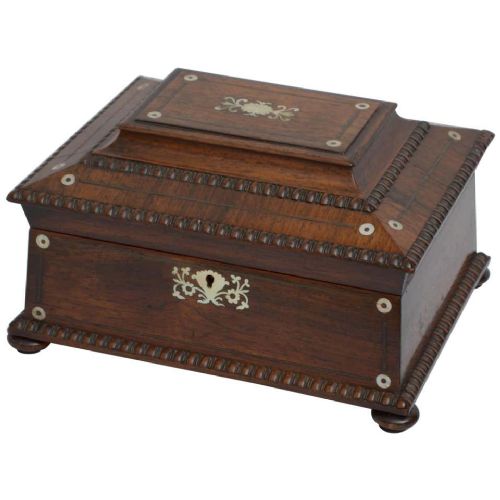
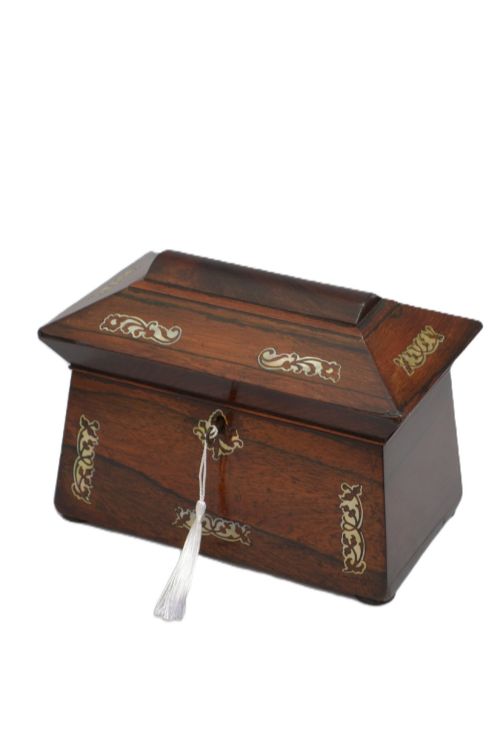
Buyers frequently encounter Victorian and Regency examples fashioned from rosewood, walnut, and oak. Many incorporate specialised interiors for sewing implements, letters, or rings, reflecting the domestic habits of their periods.
How they were made
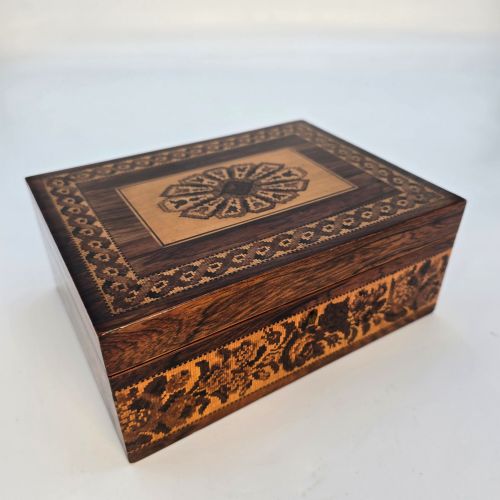
Cabinetmakers utilised native and exotic timbers such as oak, coromandel, and rosewood, often applying complex veneers and brass inlays. Surface decoration included Tunbridge ware marquetry, mosaic work, and hand-painted lacquer.
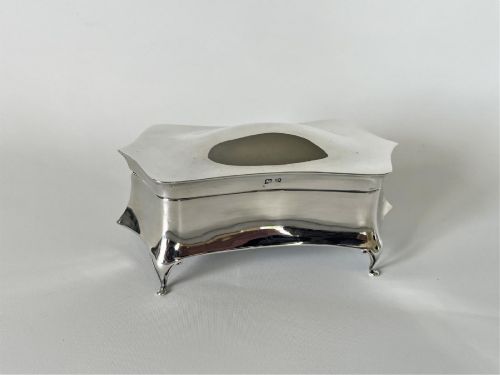
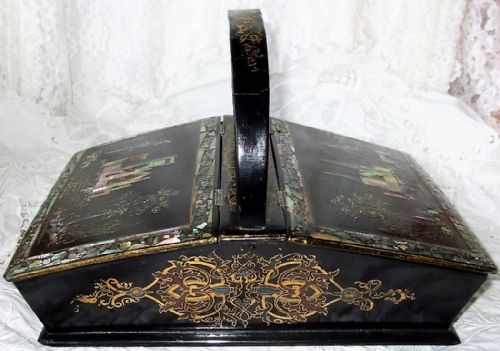
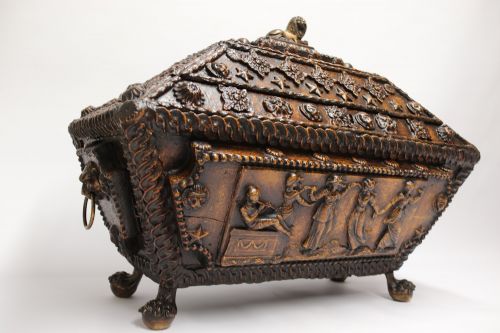
Metalworkers contributed cast brass mounts, sterling silver fittings, and complex steel locks. Papier-mâché items required layered paper pulp moulded and finished with lacquer and shell.
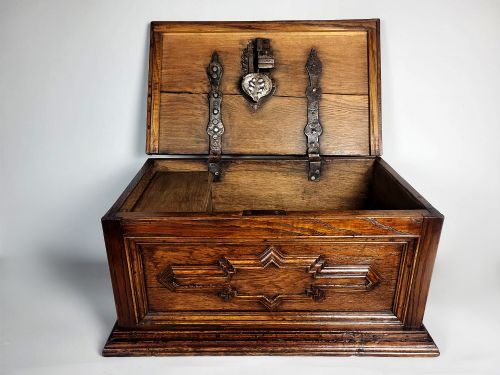
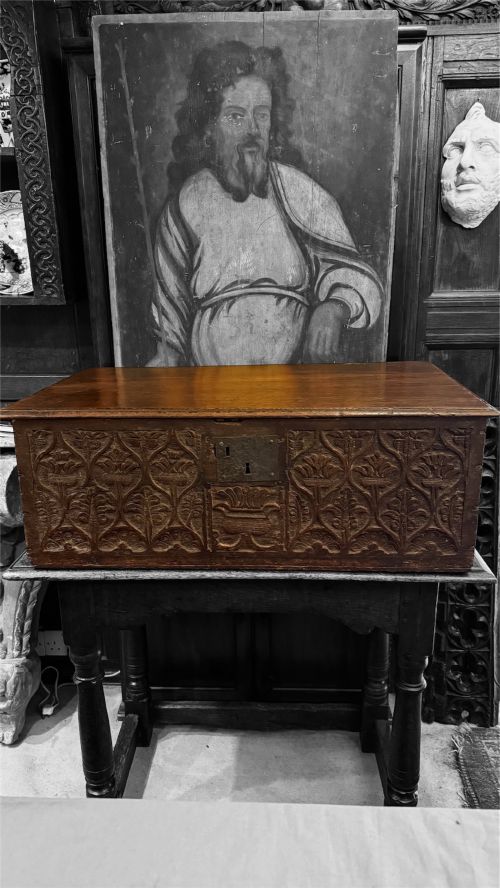
Listings feature 17th Century oak document boxes alongside elaborate Victorian papier-mâché needlework caskets.
What varies in quality
The standard of an antique English casket depends heavily on the precision of its joinery and the complexity of its internal fittings. Superior examples display intricate marquetry, such as detailed Tunbridge ware mosaics, and intact silk or velvet linings.
Hardware execution dictates overall grade, distinguishing mass-produced items from pieces featuring custom cast brass mounts and fully operational, original complex steel locks.
Edmund Nye·William Comyns·Halstaff and Hannaford·Charles Heathcote Tatham·Trussell Brighton
The Antique English Casket Glossary
- Tunbridge Ware
- Woodworking technique originating from Kent utilising thousands of tiny coloured wood blocks to create pictorial mosaics. These tessellations typically depict butterflies, flowers, or geometric patterns on box lids.
- Papier-mâché
- Composite material made from paper pulp mixed with binding agents, pressed and baked. It provides a smooth surface suitable for lacquering, mother-of-pearl inlay, and hand-painting.
- Coromandel
- Dense, dark tropical hardwood valued for its rich grain patterns. Cabinetmakers utilised this material extensively for high-end Victorian luxury boxes and desk accessories.
- Chasse
- Reliquary form shaped like a house with a pitched roof. In secular boxes, this term describes caskets built with angled lid structures.
- Marquetry
- Inlay technique applying pieces of veneer to a structural structure to form decorative patterns. Artisans used contrasting woods to achieve pictorial depth.
Antique English Casket: Frequently Asked Questions
What is an antique English casket used for?
These vessels historically held personal valuables, including letters, sewing tools, and jewellery. Owners placed them on dressing tables, desks, or parlours for daily convenience.
Today, they serve similar functional purposes while acting as decorative objects within domestic spaces.
How do I identify a Victorian casket?
Victorian examples frequently utilise exotic woods like coromandel and burr walnut, alongside papier-mâché and mother-of-pearl inlay. Design aesthetics shifted across the reign from ornate rosewood to ebonised finishes.
Interior velvet or silk linings and brass hardware also point toward nineteenth-century manufacturing methods.
What distinguishes Tunbridge ware boxes?
Tunbridge ware pieces feature mosaic surfaces constructed from thousands of precisely cut wood blocks. These tiny segments form detailed geometric designs or pictorial scenes without the use of paint.
Craftsmen in Kent specialised in this technique, applying the mosaics to the lids of small trinket and needlework boxes.
Are these boxes fitted with original locks?
Many retain their original brass or steel locks, occasionally stamped with maker details or patent marks. Complex mechanisms in seventeenth-century and nineteenth-century boxes demonstrate high levels of metalworking skill.
Working keys are sometimes present, though many surviving pieces operate primarily as display items.