



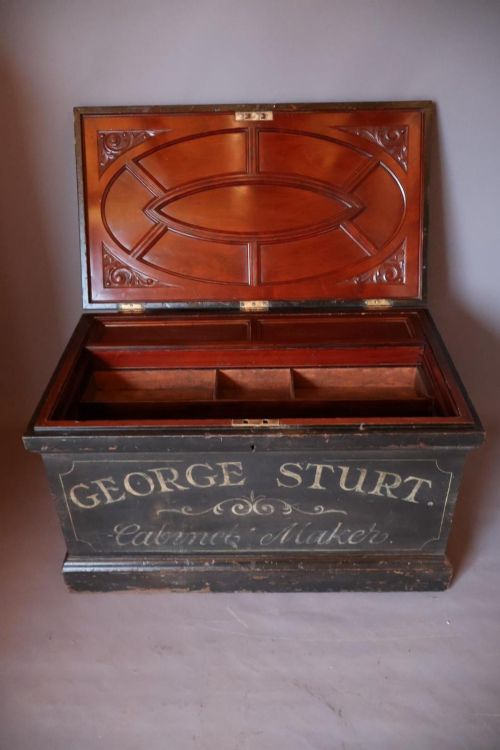
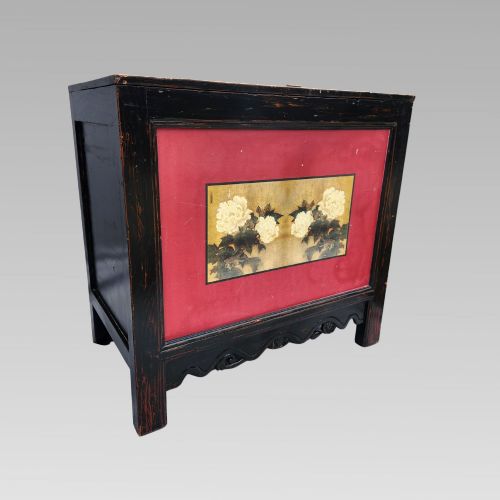


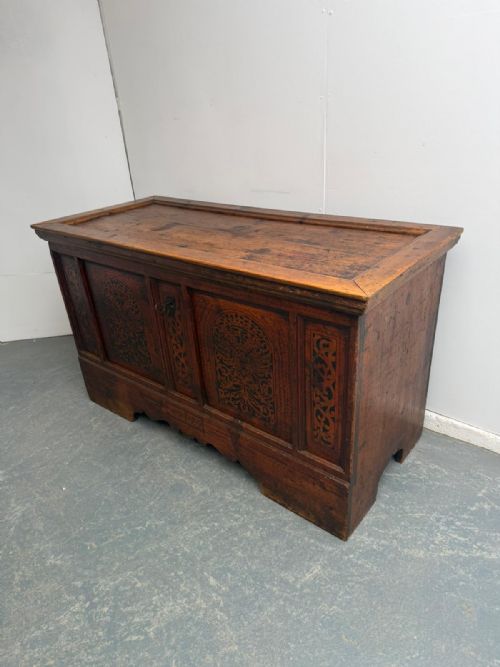

Painted Wood Trunk
A painted wood trunk brings character and practical storage to a room, offering robust construction alongside decorative surface work.
Painted Wood Trunk
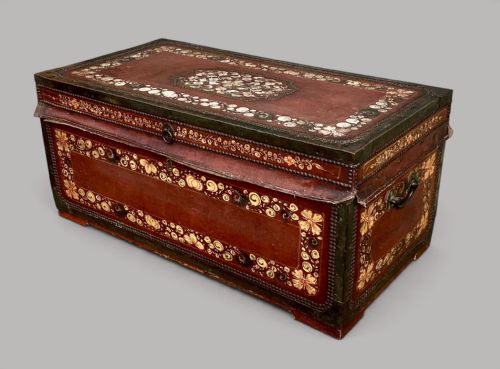
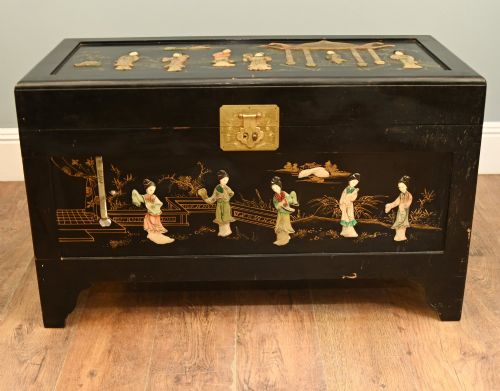
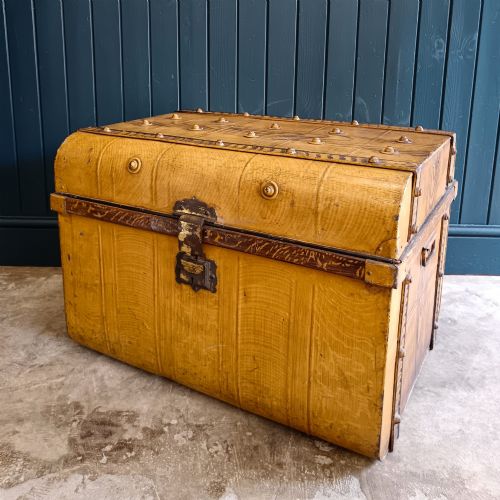
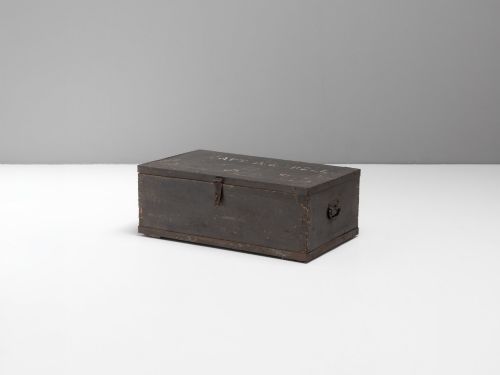
A painted wood trunk serves primarily as a storage chest, blanket box, or travel container designed to hold household goods while displaying decorative exterior finishes. Buyers searching for a painted wood trunk encounter forms ranging from simple country storage boxes to elaborate marriage chests and trade trunks.
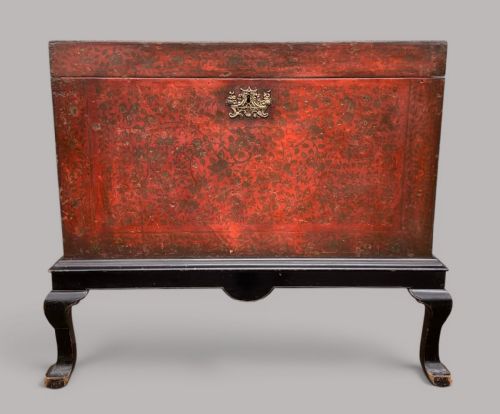
The selections span several centuries and geographic origins, including Scandinavian folk art pieces, Chinese export lacquer boxes, and Victorian pine travelling boxes. Nineteenth-century examples dominate the offerings, alongside earlier eighteenth-century marriage boxes and twentieth-century utility chests.
Makers utilised various soft and hard timbers beneath their decorative coats, shaping them into standard rectangular chests, dome-topped coffers, and specialised tool boxes. Each piece reflects the aesthetic of its region, whether through Scandinavian floral motifs, Chinese polychrome scenes, or European faux finishes.
Materials and construction techniques
Makers constructed the primary bodies using native timbers such as pine, oak, and camphor wood, joining the corners with dovetail or finger joints to withstand travel and daily use. Iron and brass hardware, including strap hinges, carrying handles, and secure locks, reinforced the structural integrity of these transport and storage containers.
Surfaces received specialised preparation before receiving layers of paint, lacquer, or gilt decoration. Artisans applied traditional pigments and clear protective coats, sometimes utilising scumbling techniques or faux-wood effects to simulate more expensive materials.
Painted Wood Trunk Retail Price Guide 2026
Typical asking prices for painted wood trunk among the pieces listed under this phrase on Sellingantiques today, from the lower quarter to the upper quarter. They describe what is for sale here now, not the wider market.
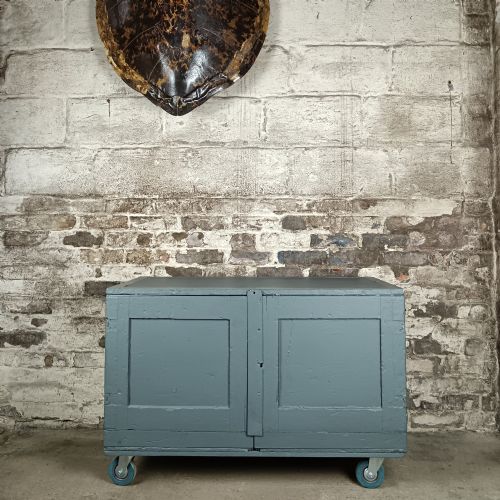
Pine and painted wood dominate the material selections across these nineteenth-century and Victorian storage chests.
Assessing quality in decorative chests
Quality rests heavily on the originality of the painted surface and the condition of the underlying timber framework. Pieces retaining their initial hand-painted folk motifs or trade decorations without extensive modern repainting command greater interest from collectors.
Construction details differentiate standard utility items from finer bespoke works. Well-fitted joints, original wrought iron or brass mounts, and intact interior compartments indicate higher craftsmanship during production.
The Painted Wood Trunk Glossary
- Cassone
- An Italian chest or marriage box traditionally commissioned for weddings to hold the bride's trousseau. These large receptacles often featured elaborate painted or carved decoration.
- Scumble
- A painting technique involving a thin, translucent layer of glaze brushed over an opaque base coat to create mottled or textured wood grain effects. This method was common on nineteenth-century utility boxes.
- Camphor wood
- A fragrant timber native to Asia frequently utilised for export chests and luggage boxes. Its natural aroma helped protect stored textiles from insects.
- Dovetail
- A joint formed by interlocking wedge-shaped fingers, prized for its tensile strength in box construction. It remains a key indicator of traditional cabinet making.
Painted Wood Trunk: Frequently Asked Questions
What were painted wood trunks used for?
These receptacles held clothing, blankets, and personal possessions during domestic storage or long-distance travel. Many served specific roles as marriage chests, military transport cases, or specialised tool boxes.
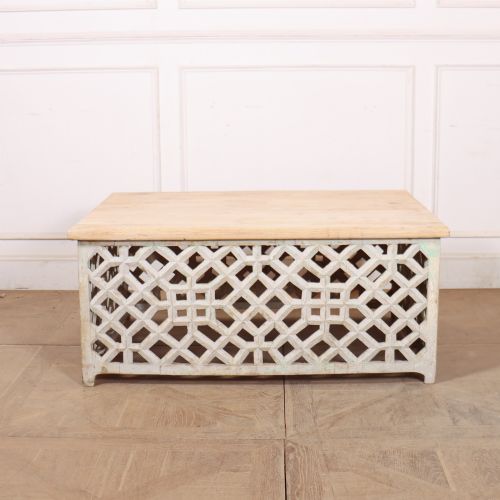
Over time, households repurposed them as permanent furniture items that doubled as tables or window seats while keeping contents concealed.
How do I care for a painted surface?
Protect the finish by keeping the chest away from direct sunlight and maintaining stable room humidity. Dust gently with a dry microfiber cloth rather than applying wet cleaners or harsh polishes.
Wax can preserve untreated or stable painted wood, but test any product on a hidden area first to ensure it does not react with historical pigments.
How can I tell the period of a trunk?
Examine the construction methods, nail types, and hinge styles visible inside the box. Hand-cut dovetails and hand-forged iron hardware generally point to eighteenth or early nineteenth-century origins, while machine-cut components suggest later periods.
The style of the painted decoration, such as Scandinavian folk motifs or Chinese export lacquer, also provides strong clues regarding the region and decade of manufacture.
Are these trunks suitable for modern storage?
Their sturdy timber construction and generous internal dimensions make them practical for stowing away bulky items like winter bedding or spare cushions. Ensure the interior is clean and dry before placing textiles inside.
Placing them in living areas allows you to utilise their flat tops as display surfaces while keeping everyday clutter out of sight.