


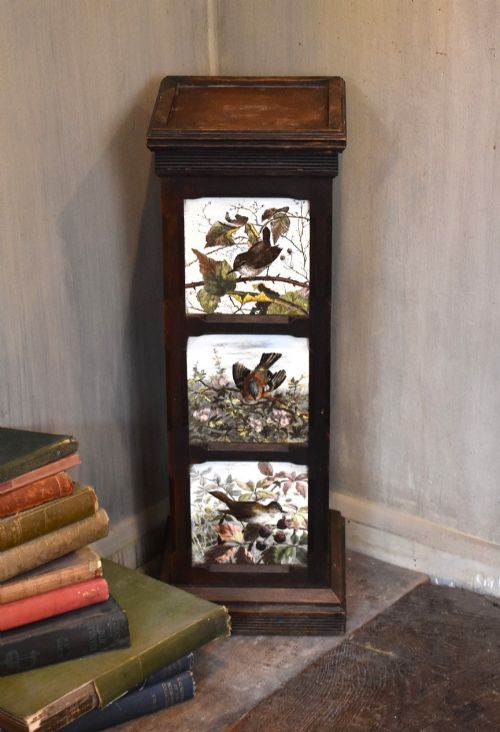



Painted Wood Pedestal Stand
A painted wood pedestal stand brings height and architectural character to a room, offering a sturdy stage for sculpture, plants or lamps.
Painted Wood Pedestal Stand
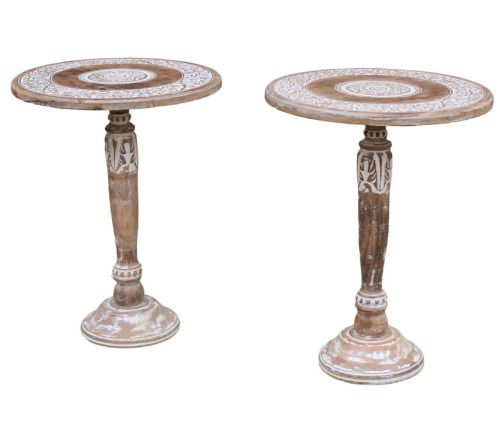
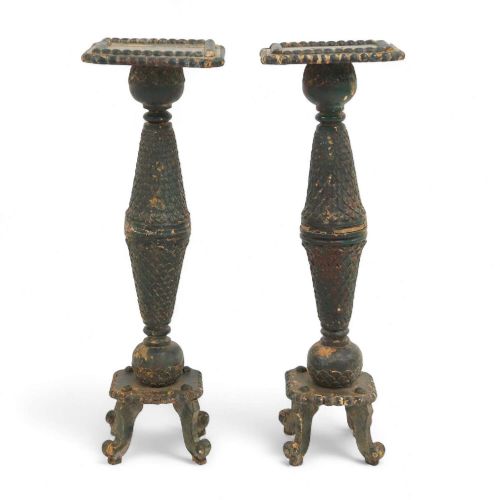
A painted wood pedestal stand provides an elevated surface or column designed to display decorative objects, sculpture and lamps within a room. You encounter forms ranging from simple cylindrical columns and tripod lamp tables to tiered tripods and marble-topped stands.
The pieces on this page span the nineteenth and twentieth centuries, taking inspiration from Victorian, French Chateau, Gustavian and Neoclassical styles. They serve as functional furniture and sculptural display pieces alike.
Makers and workshops across Europe and Asia produced these supports in varied heights, incorporating painted, lacquered or faux finishes. They suit corners, hallways and reception rooms where vertical display adds proportion to the interior.
Materials and Construction
Construction relies primarily on timber such as pine and satinwood, carved or turned into columns, tripods and cylindrical stands. Artisans frequently applied gesso beneath decorative layers to create smooth surfaces for paint, lacquer and gold leaf.
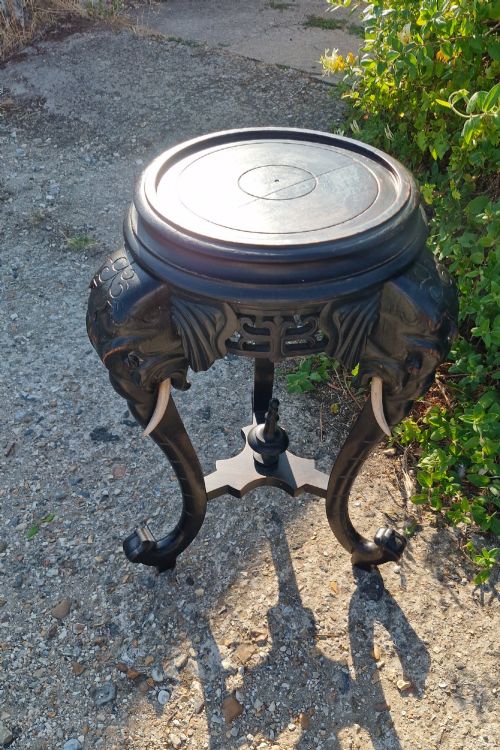
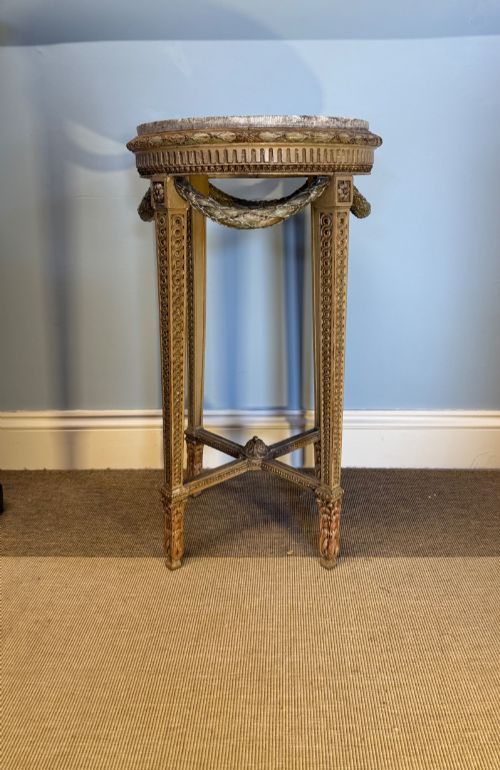
Surface decoration defines the visual character of these pieces, utilising original green paint, polychrome schemes and grain painting to imitate marble or richer timbers. Certain examples incorporate inset marble tops or carved wooden details like tusks and figures.
Painted Wood Pedestal Stand Retail Price Guide 2026
Typical asking prices for painted wood pedestal stand among the pieces listed under this phrase on Sellingantiques today, from the lower quarter to the upper quarter. They describe what is for sale here now, not the wider market.
Styles span Victorian, Gustavian, Neoclassical and French Chateau influences.
Evaluating Quality
Quality rests in the crispness of the initial woodwork and the integrity of the painted surface, whether an original weathered patina or a deliberate neoclassical scheme. Superior examples exhibit confident carving, balanced proportions and harmonious integration of secondary materials like marble tops.
The distinction between standard utility stands and finer decorative pieces lies in the sophistication of the paintwork and the ambition of the form, such as slender tripod columns or detailed figurative carving.
MARGUERITE
The Painted Wood Pedestal Stand Glossary
- Torchiere
- A tall stand or candlestick designed to hold a light source. They frequently feature slender columns and tripod bases.
- Gesso
- A plaster mixture applied to wood surfaces as a base for paint or gilding. It provides a smooth ground for decorative work.
- Gustavian
- A Swedish neoclassical style characterised by restrained classical ornament and pale painted finishes. It reflects European royal tastes adapted to Nordic interiors.
- Faux marble
- A painted finish designed to imitate stone surfaces. Artisans use glazes to replicate natural marble veins on timber.
- Plinth
- A heavy base supporting a statue, column or pedestal stand. It grounds the vertical structure visually.
Painted Wood Pedestal Stand: Frequently Asked Questions
What were painted wood pedestal stands used for?
These stands functioned primarily to elevate sculptures, decorative urns, lamps and plants within domestic interiors. Their height drew the eye upward and placed prized possessions at eye level.
In period rooms, they anchored empty corners or framed architectural doorways, serving as portable classical columns for display.
How do I style a pedestal stand at home?
Place a single tall column in an awkward corner to add vertical interest without crowding floor space. Top it with a bronze figure, a heavy ceramic bowl or a trailing plant.
Pair smaller tripod tables with reading lamps or use them beside seating as distinctive occasional surfaces.
How can I tell the period of a stand?
Examine the timber beneath the paint, the framing techniques and the style of decoration. Nineteenth-century examples often show distinct tool marks and heavy pine or satinwood construction.
Stylistic cues such as Neoclassical reeding, Gustavian pale paint or Victorian faux marble finishes help narrow the decade of manufacture.
Are painted finishes usually original?
Surfaces vary between untouched original paint schemes, later decorative updates and aged patinas applied over time. Close inspection reveals whether paint layers have aged naturally together with the wood.
Listings often specify original paint, grain painting or later decoration to guide your understanding of the surface history.