

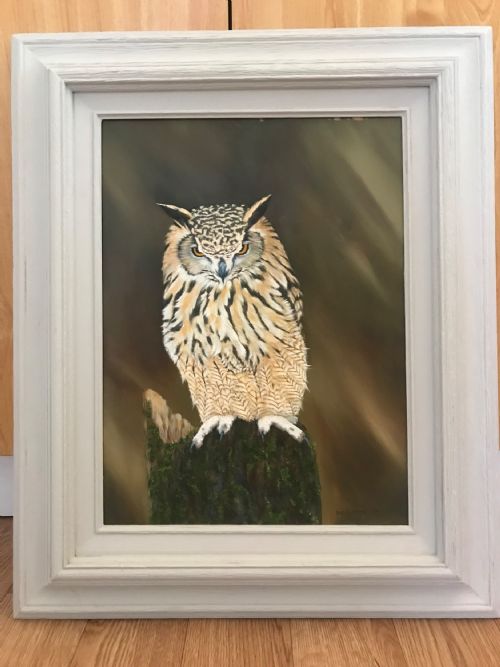


Painted Wood Panel Artwork
Painted wood panel artwork brings centuries of fine portraiture, landscape and still life straight onto solid timber supports.
Painted Wood Panel Artwork
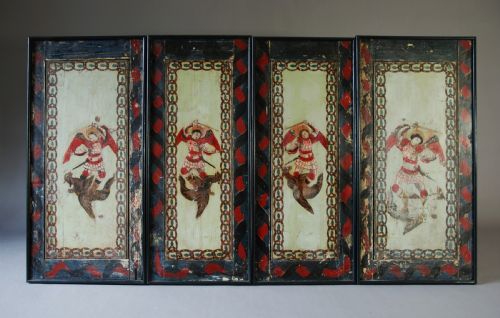
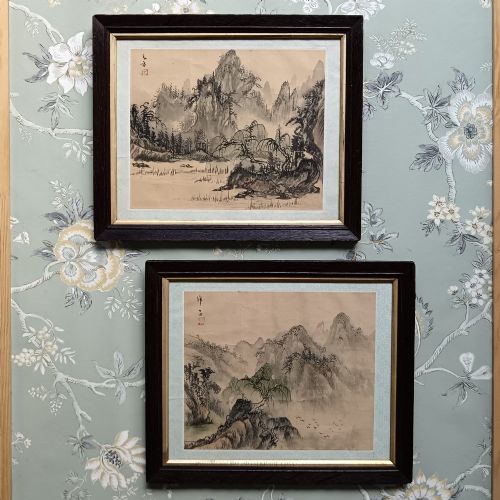
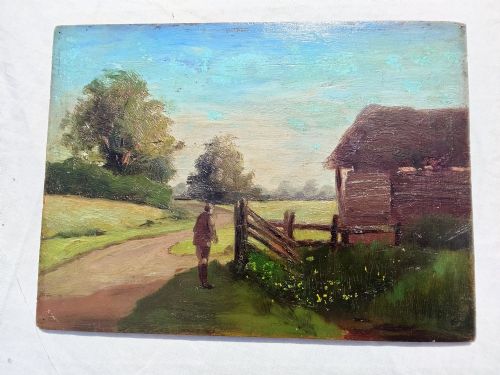
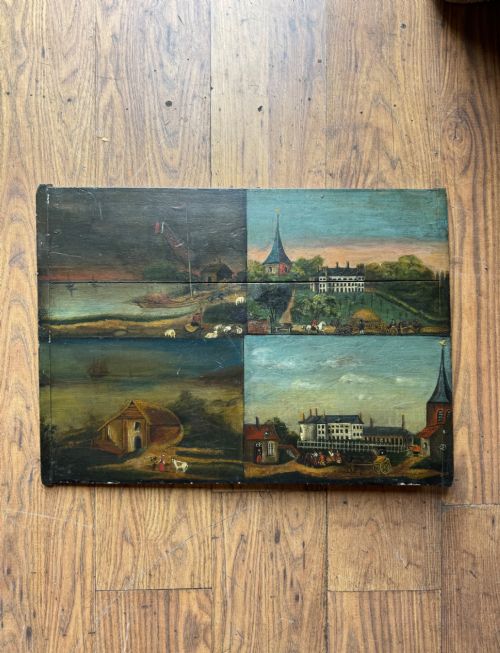
Painted wood panel artwork encompasses oil paintings executed directly on wooden boards, panels, or blocks rather than stretched canvas. When you search for painted wood panel artwork, you encounter everything from intimate Victorian landscapes to decorative folk art and Dutch Golden Age interpretations.
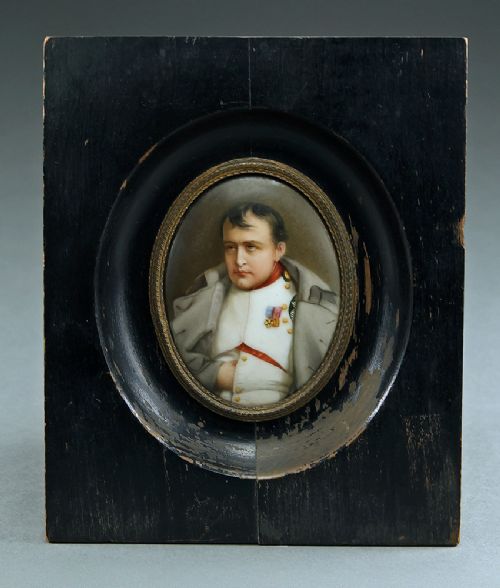
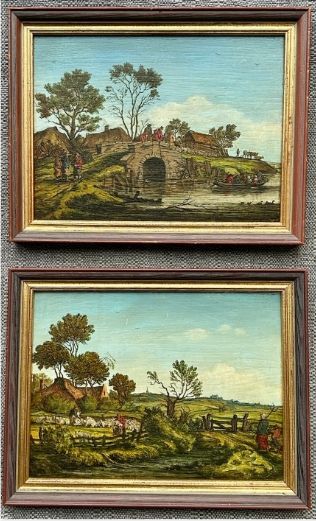
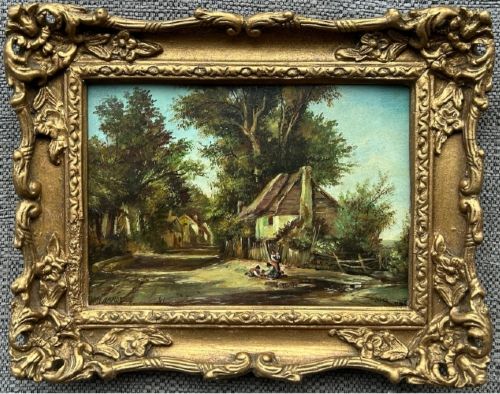
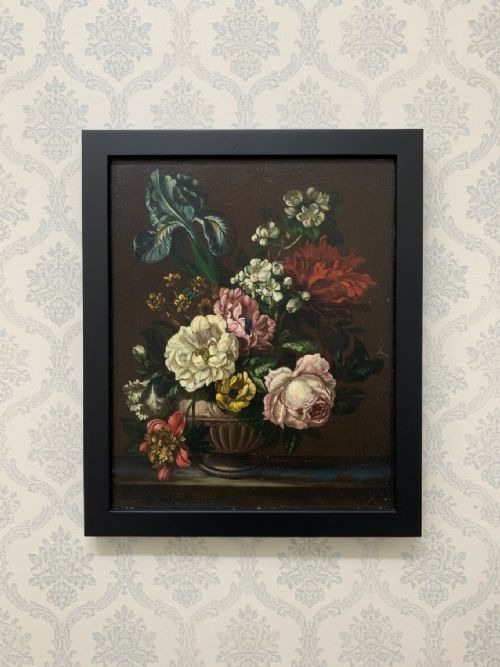
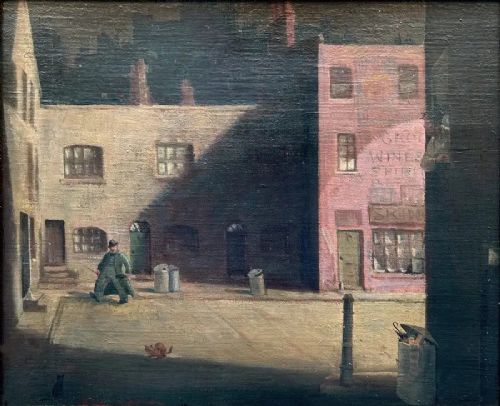
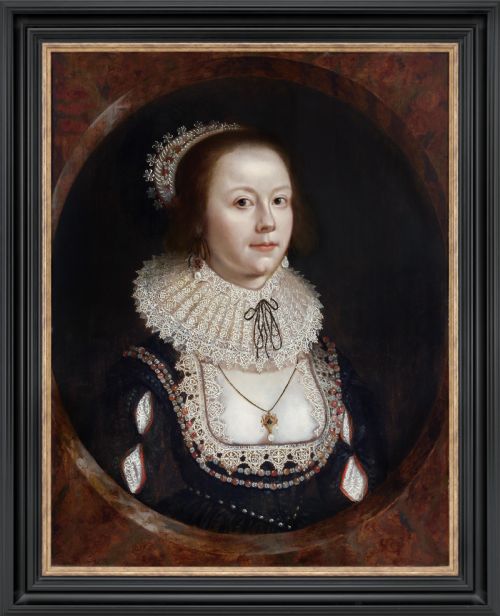
The pieces on this page span several centuries, reaching from seventeenth-century portraits to twentieth-century regional scenes. Common forms include single framed landscapes, pairs of pastoral studies, and multi-panel decorative schemes depicting figures or nature.
Makers range from named artists working within British, French, and Dutch schools to provincial naive painters whose identities remain unknown. Collectors value the rigid support and the way timber absorbs and retains oil pigments over generations.
Materials and construction
Artists painted primarily with oil colours applied directly to prepared wood panels, wooden boards, or pine panels. Some pieces incorporate gilt wood frames, gold leaf accents, or burr maple surrounds that complement the primary painting surface.
The timber substrate provides a rigid foundation that prevents the flexing associated with canvas. This firmness allowed painters to achieve fine detail, smooth blending, and precise brushwork across landscapes, interiors, and miniature works.
Listings feature oil paintings on wood panels spanning the seventeenth to the mid-twentieth century, encompassing British, French, Dutch, and Italian schools.
Assessing quality and execution
Quality rests upon the skill of the brushwork, the stability of the wooden panel, and the harmony between the painting and its original frame. Finer works display confident handling of light and perspective, whereas simpler provincial pieces rely on charming naivety.
The preservation of the paint surface and the preparation of the wood foundation also dictate the standing of a piece. Well-seasoned timber minimises warping and cracking, preserving the integrity of the oil layer across centuries.
Tom Campbell·William Howard Hardy·Michelangelo Meucci·Cornelius Johnson·Florence Adelina Hess·Paul-Élie Gernez·Sir David Murray·Fernando Del Basso·Hans Temple·Paul Leon Jazet·Sam Bough
The Painted Wood Panel Artwork Glossary
- Oil on panel
- A painting technique where oil pigments are applied directly to a wooden board or panel rather than stretched canvas. This method was favoured by old masters and later artists for its smooth, rigid surface.
- Wood panel
- A flat piece of timber used as a structural support for paintings. It offers greater rigidity than canvas and reacts to environmental humidity.
- Naive art
- Artwork created by an artist without formal training, often characterised by a childlike perspective, flat planes of colour, and charmingly direct proportions.
- Gilt wood
- Wood that has been decorated with a thin layer of gold leaf or gold paint. It frequently appears on period frames surrounding fine art panels.
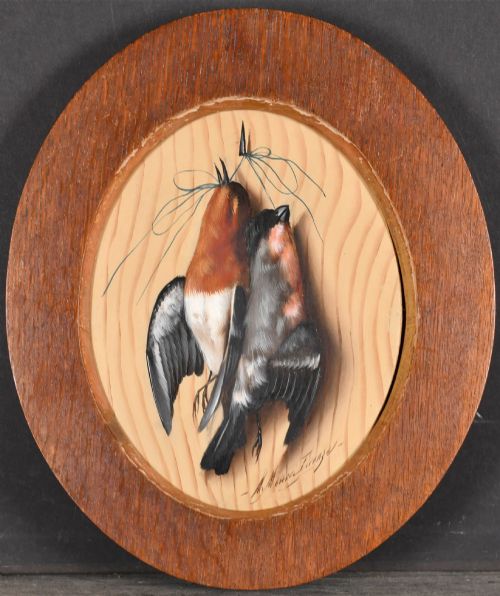
- Trompe l'oeil
- An artistic technique that uses realistic imagery to create the optical illusion that the depicted objects exist in three dimensions.
Painted Wood Panel Artwork: Frequently Asked Questions
How do I care for a wood panel painting?
Keep the artwork away from direct sunlight, radiators, and damp environments to prevent the timber from warping or splitting. Stable room temperatures protect the integrity of both the wood support and the oil paint layer.
Dust the surface gently with a soft, dry brush and avoid using liquid cleaners or chemical solvents. If the frame requires attention, consult a professional conservator rather than attempting DIY repairs.
Are these panels painted on solid wood?
The listings feature works executed on various wooden substrates, including solid timber boards, prepared panels, and pine panels. Each type of wood offers a rigid base for the oil paint.
Artists historically selected timber based on availability and grain smoothness. The natural properties of the wood often influence how the paint ages over time.
How can I tell the age of a panel?
Dating relies on stylistic clues, framing materials, artist signatures, and the type of wood preparation visible on the reverse. Examining the edges and any exposed timber helps identify period manufacturing methods.
Historical costume, subject matter, and regional painting schools also narrow down the era. Comparative research against known works by similar artists clarifies the timeline.
What is the difference between canvas and panel?
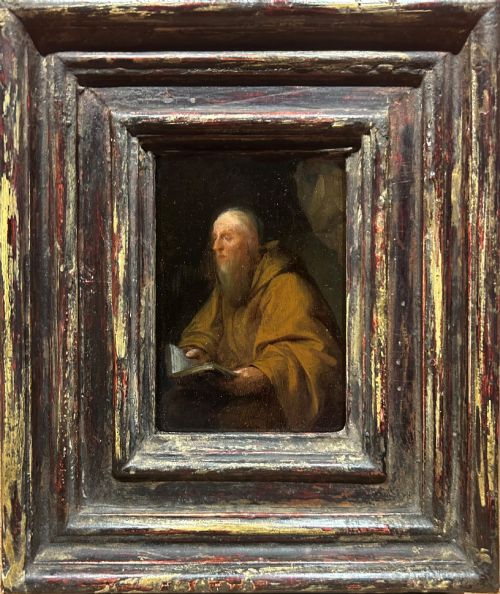
Panels provide a completely rigid surface that does not sag or stretch over time like fabric canvas. This firmness allowed earlier artists to execute extremely fine, detailed brushwork without fearing the paint cracking from flex.
Canvas became more popular for larger works due to its lightweight nature and portability. Wood panels remained favoured for smaller cabinet paintings, portraits, and detailed still lifes.