


Painted Wood Furniture
Painted wood furniture brings decorative surface and functional timber together, offering everything from Georgian satinwood to rustic pine.
Painted Wood Furniture
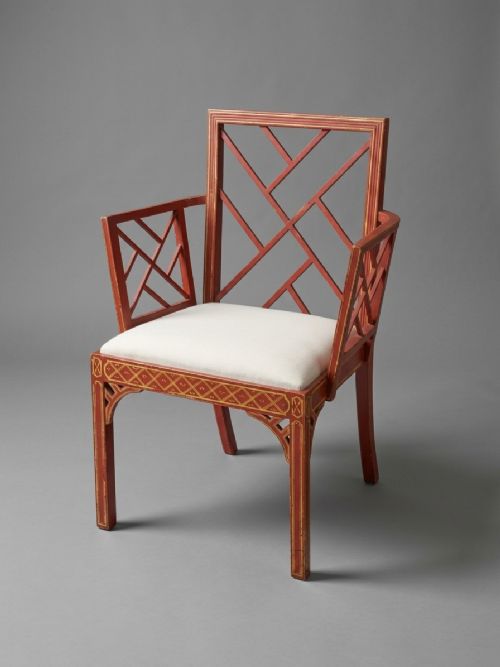
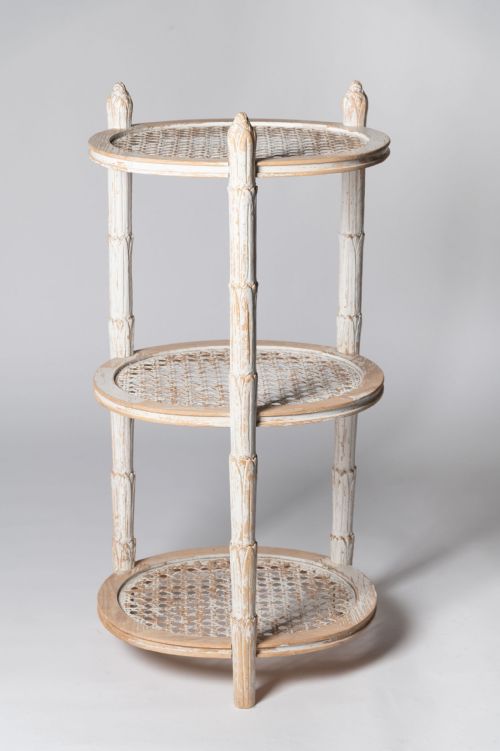
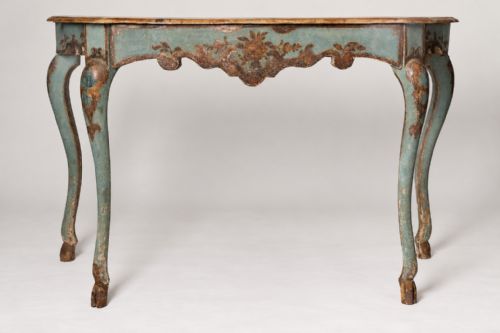
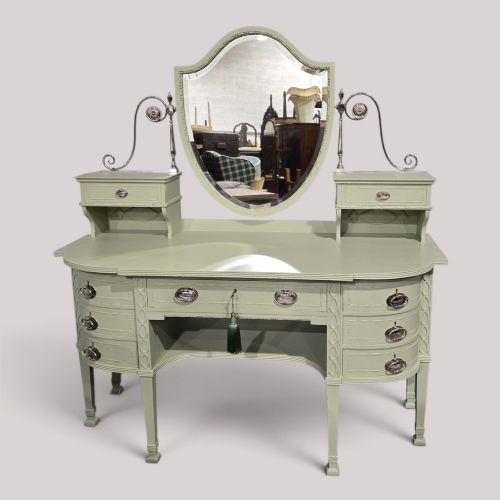
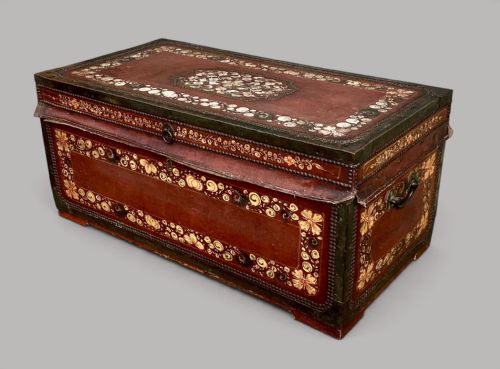
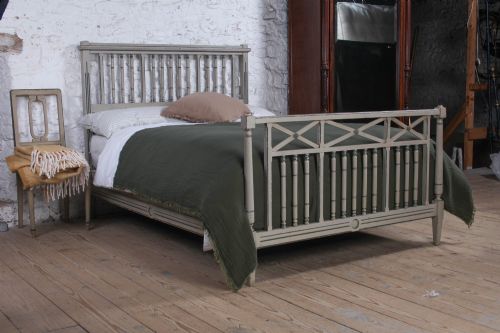
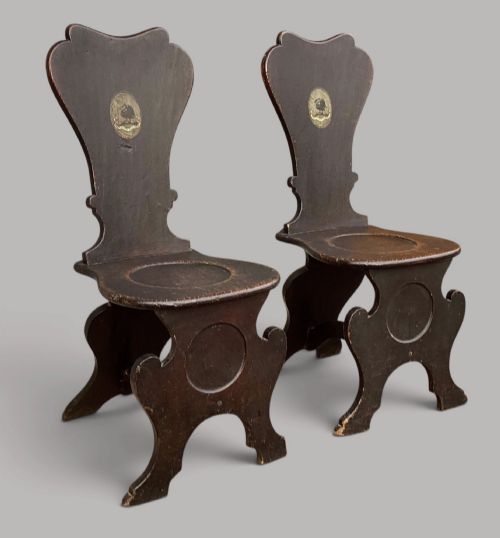
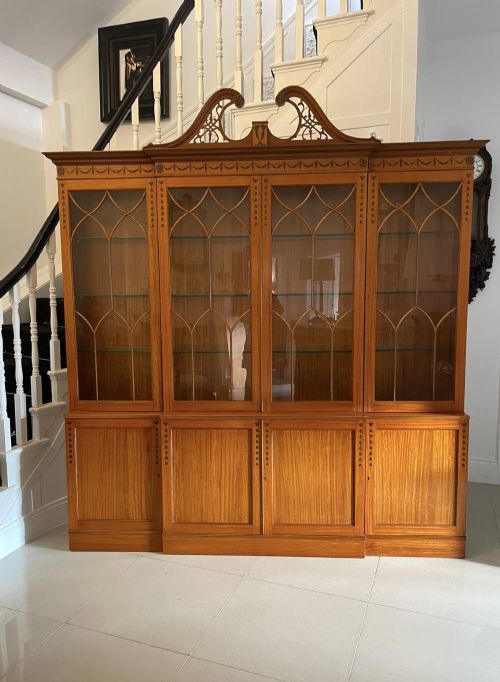
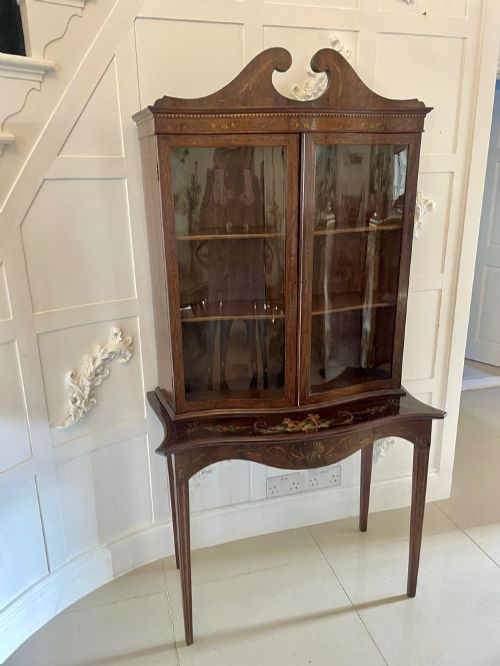
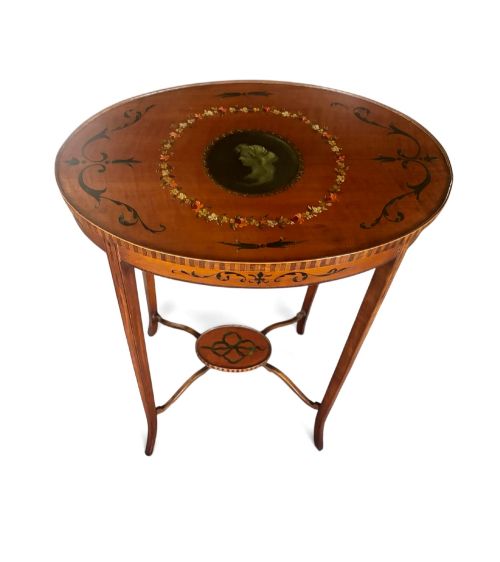
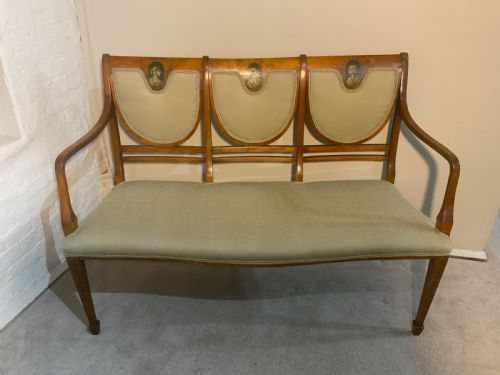
Painted wood furniture encompasses storage, seating and display pieces finished with applied colour, gilt or decorative motifs rather than bare timber grains. When exploring painted wood furniture, buyers encounter items ranging from Georgian and Regency statement pieces to Victorian cabinets and Edwardian satinwood tables.
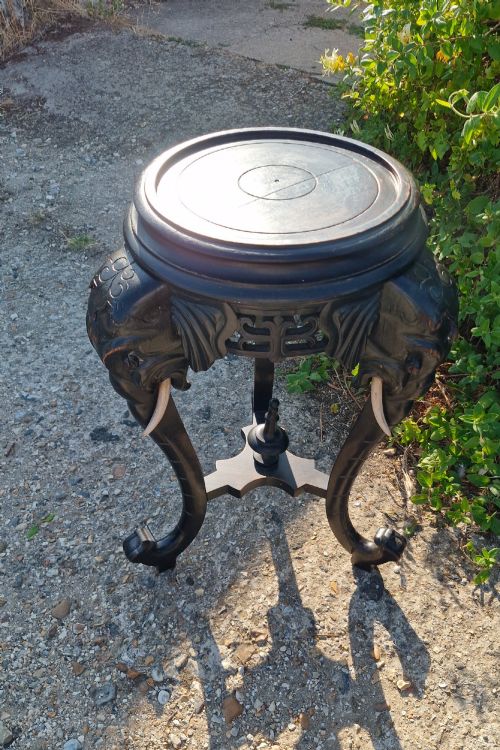
The selection includes practical domestic forms such as chests of drawers, bedside cabinets, side cupboards and writing desks alongside decorative occasional tables and display vitrines. Pieces originate from British, French, Dutch, Italian, Chinese and Tibetan traditions, reflecting diverse regional tastes in surface decoration.
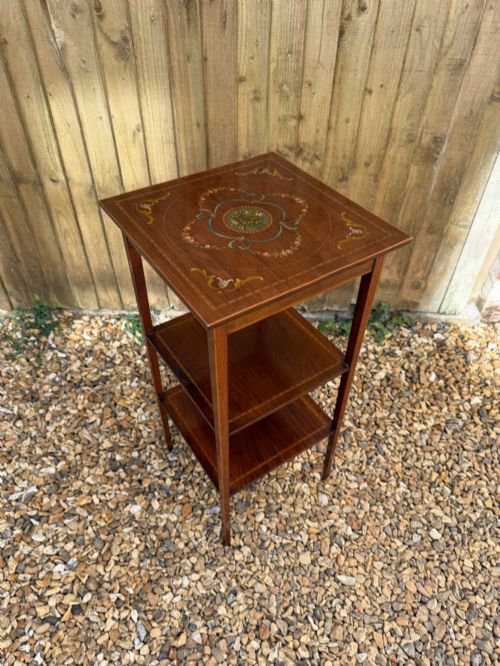
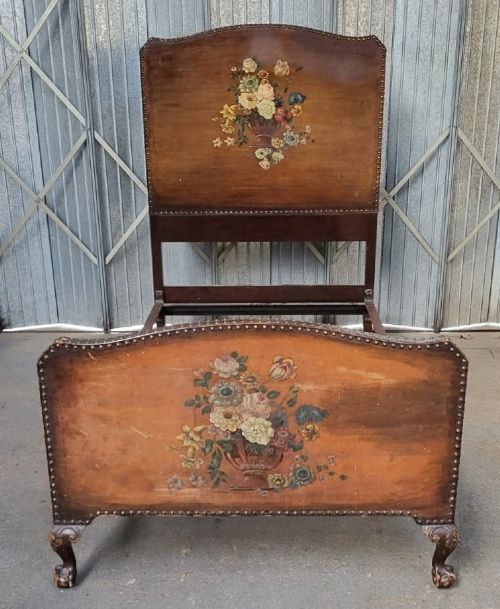
Earlier examples often show original polychrome schemes or distressed patination acquired over centuries of use, while later Victorian and Edwardian interpretations lean towards refined hand-painted floral panels and Sheraton Revival motifs.
Materials and construction methods
Makers utilised a variety of underlying timbers including pine, mahogany, satinwood, oak and rosewood, chosen for their stability and grain structure before applying ground layers and paint. Surface finishes frequently incorporate traditional oil-based paints, distemper, gold leaf, and occasionally applied porcelain plaques or brass hardware.
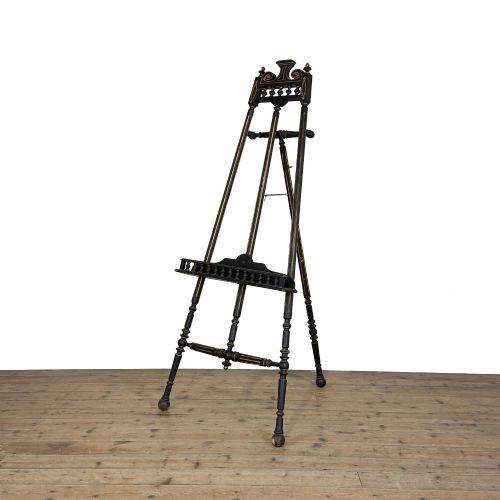
Decorative techniques recorded across the pieces include hand-painted floral swags, faux finishes such as simulated rosewood or ebonising, and intricate lacquering. Carved wooden elements and moulded cornices provide structural definition beneath the painted coats.
Painted Wood Furniture Retail Price Guide 2026
Typical asking prices for painted wood furniture among the pieces listed under this phrase on Sellingantiques today, from the lower quarter to the upper quarter. They describe what is for sale here now, not the wider market.
The selection includes eighteenth-century Gustavian consoles, Victorian satinwood display cabinets, and nineteenth-century pine chests of drawers.
Factors determining quality
Quality rests primarily on the integrity and survival of the original painted surface relative to later overpainting or stripping. Crispness in hand-painted details, such as floral motifs or architectural lines, distinguishes skilled workshop output from coarser commercial work.
The underlying cabinet-making standards, including dovetail joinery in drawers, timber selection and proportion, determine the structural merit of the piece beneath its decorative skin.
G J Lines of London
The Painted Wood Furniture Glossary
- Satinwood
- A fine-grained hardwood with a natural golden lustre, frequently used in high-status Edwardian and Sheraton Revival pieces. It provides a pale, smooth ground ideal for delicate hand-painted decoration.
- Ebonisation
- A chemical or pigment treatment applied to timber to imitate costly ebony wood. This finish appears widely on Victorian and aesthetic style items to create dramatic dark contrasts.
- Gustavian
- A Swedish neoclassical style originating in the late eighteenth century, characterised by pale painted finishes, restrained carving and symmetrical lines. Pieces from this tradition often utilise soft greys, whites and creams.
- Vitrine
- A glass-fronted display cabinet designed for showing porcelain or collectables. These items often feature glazed doors and painted frames.
- Commode
- A low French chest of drawers or cabinet originating in the eighteenth century. Provincial examples frequently retain original painted finishes.
Painted Wood Furniture: Frequently Asked Questions
How do I care for painted wood surfaces?
Keep painted items away from direct sunlight and excessive heat fluctuations to prevent the surface coat from drying, cracking or fading over time. Dust gently with a dry, soft cloth and avoid chemical cleaning agents that might dissolve historic paint layers.
Maintain stable indoor humidity levels to protect both the underlying timber and the delicate bond between the wood and the paint.
Are painted finishes original?
Determining originality involves examining the wear patterns, craquelure and integration of the paint layers with the timber substrate beneath. Pigments that have aged naturally alongside the wood structure indicate an authentic historic finish.
Professional consultation helps identify later decorative overpainting applied to plain or stripped antique carcasses during subsequent restoration campaigns.
Where were these pieces used?
Historically, painted items graced formal drawing rooms, intimate boudoirs and provincial parlours depending on the refinement of the decoration. Satinwood desks and display cabinets served upper-class homes, while pine chests and commodes fulfilled practical storage needs in country houses.
Today, these versatile items function effectively in modern hallways, bedrooms and living spaces as focal storage or display surfaces.
What distinguishes Gustavian furniture?
Gustavian pieces reflect Swedish interpretations of French neoclassical design, favouring pale monochrome paintwork and restrained classical carving. This aesthetic brings a bright, balanced feel to interiors through light greys, muted whites and elegant proportions.
Such items often display utilitarian simplicity combined with refined craftsmanship, making them adaptable to contemporary domestic settings.