

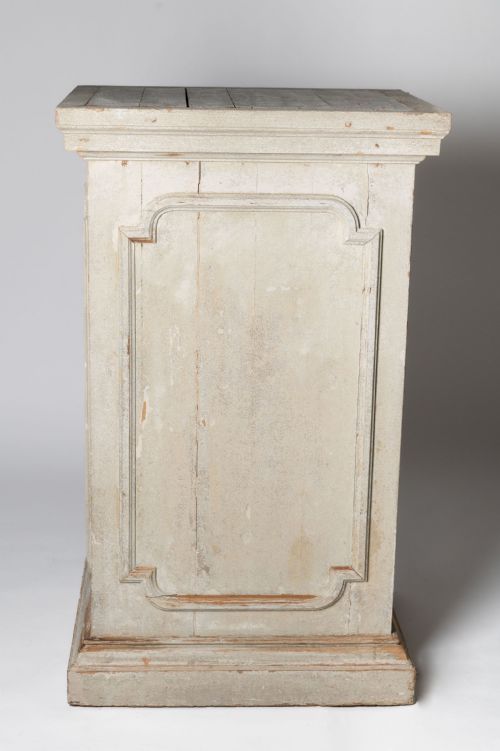
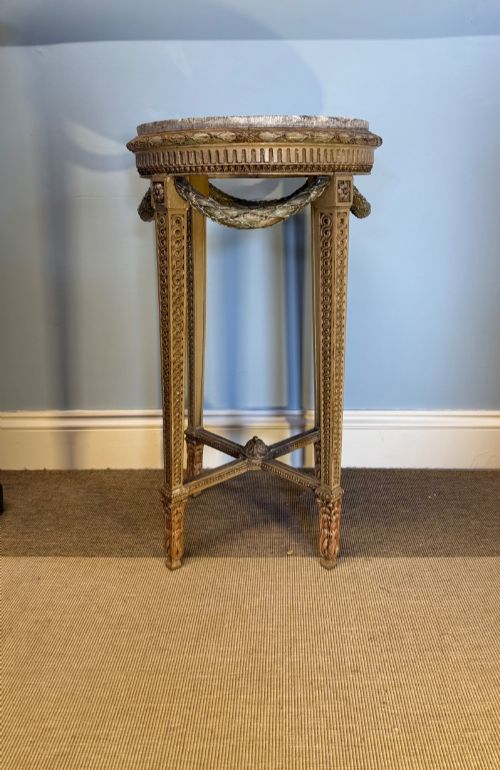
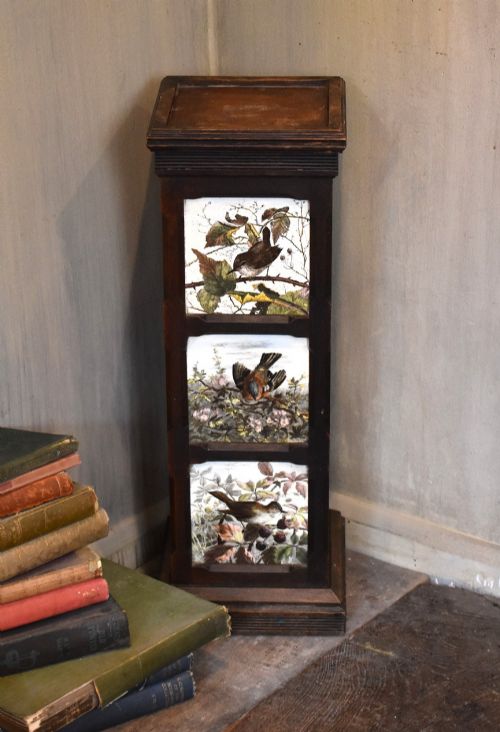


Painted Wood Display Pedestal
A painted wood display pedestal elevates a sculpture or plant with architectural presence, bringing colour and texture into a room.
Painted Wood Display Pedestal
A painted wood display pedestal takes the form of a column, plinth, or torchere designed to elevate decorative objects within an interior space. These structural supports appear frequently as nineteenth century columns, French stands, and Victorian pedestal tables.
Makers shaped these timber supports in cylindrical, tapered, and multi-tiered formats to serve as plant stands, sculpture mounts, and occasional tables. The selection ranges from restrained English cylindrical stands to grand scale French and Spanish decorative columns.
Makers utilised pine, mahogany, and mixed timber foundations, finishing them with layered paintwork, gesso, and occasional gilding. The surface treatments emulate grander materials like marble and stone through simulated graining and faux finishes.
How they were made
Carpenters constructed the structural core of each painted wood display pedestal using solid timbers such as pine and mahogany, often forming sturdy columns, tripod bases, or multi-tiered tables. These wooden carcases received preparatory layers of gesso to smooth the grain and create a uniform surface for subsequent decoration.
Artisans applied specialist paint finishes including polychrome pigments, lacquering, and grain painting to simulate costly stones like verde antico or marble. Parcel gilt highlights and gold leaf details frequently accented the capitals and bases of nineteenth century columns and architectural salvage pieces.
Painted Wood Display Pedestal Retail Price Guide 2026
Typical asking prices for painted wood display pedestal among the pieces listed under this phrase on Sellingantiques today, from the lower quarter to the upper quarter. They describe what is for sale here now, not the wider market.
Listings feature structural forms spanning the seventeenth to the twentieth century, encompassing French, Swedish, Spanish, and English origins.
What varies in quality
The sophistication of the surface decoration largely determines the distinction between standard and exceptional examples. Skilled practitioners executed convincing faux marbling and intricate polychrome schemes that retain depth and variation across the timber column.
Structural ambition separates simpler plant stands from grand scale architectural columns and sculptural supports. Elaborate turning, integrated tiers, and balanced proportions reflect the maker's competence during periods spanning the seventeenth through to the early twentieth century.
Marguerite
The Painted Wood Display Pedestal Glossary
- Torchere
- A tall ornamental stand originally designed to hold a light source or candle. These slender supports now serve primarily for displaying sculptures and decorative plants.
- Gesso
- A plaster mixture applied to wood surfaces to prepare them for painting or gilding. This foundational layer creates a smooth, receptive ground for decorative finishes.
- Verde Antico
- A dark green serpentine marble imitated by painters using specialist pigments on wood. Artisans reproduced the mottled stone appearance on nineteenth century columns.
- Parcel Gilt
- A decorative technique where specific areas of an object receive gold leaf while other portions display exposed wood or paint. This method highlights carved details and architectural mouldings.
- Plinth
- A heavy flat-based support situated beneath a column, pedestal, or statue. It provides stability and visual weight to the elevated object above.
Painted Wood Display Pedestal: Frequently Asked Questions
What was a painted wood display pedestal used for?
These elevated supports held heavy items such as marble sculptures, art pottery, and decorative urns within domestic interiors. They raised objects to eye level to showcase them effectively.
Later Victorian examples also functioned as plant stands or occasional tables, adapting to changing interior fashions for botanical displays.
How do I identify faux marble paintwork?
Grained paint finishes use layered translucent glazes over a primed wooden base to mimic the natural veining of stone. Artisans dragged or flicked pigments across the surface to replicate geological formations.
Close inspection reveals brushstrokes and timber grain beneath the decorative layers, distinguishing painted wood from actual quarried stone.
Where should I place a display pedestal at home?
Columns and plinths suit corners, entrance halls, or flanking architectural doorways where they add vertical emphasis. They anchor freestanding sculptures or large ceramic vessels securely.
Ensure the top surface diameter matches the base of the object you intend to display to maintain physical and visual balance.
How do I tell nineteenth century pieces apart?
Nineteenth century supports exhibit distinct regional decorative traits, from restrained English grain painted pine to ornate French gilt columns. Aesthetic movement examples often incorporate specific stylistic motifs like tiled sections.
Construction methods, tool marks on the underside, and the ageing of the underlying gesso help differentiate specific decades within the period.