




Painted Wood Cherub
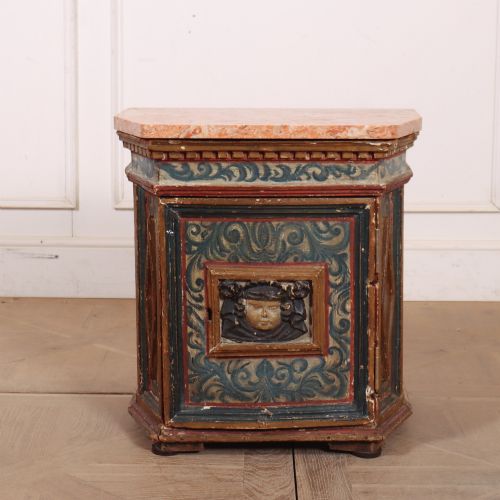
These painted wood cherub carvings bring direct sculptural warmth to a room, appearing most often on Italian and French panels, mirrors and architectural fragments from the seventeenth to the nineteenth centuries.
Painted Wood Cherub
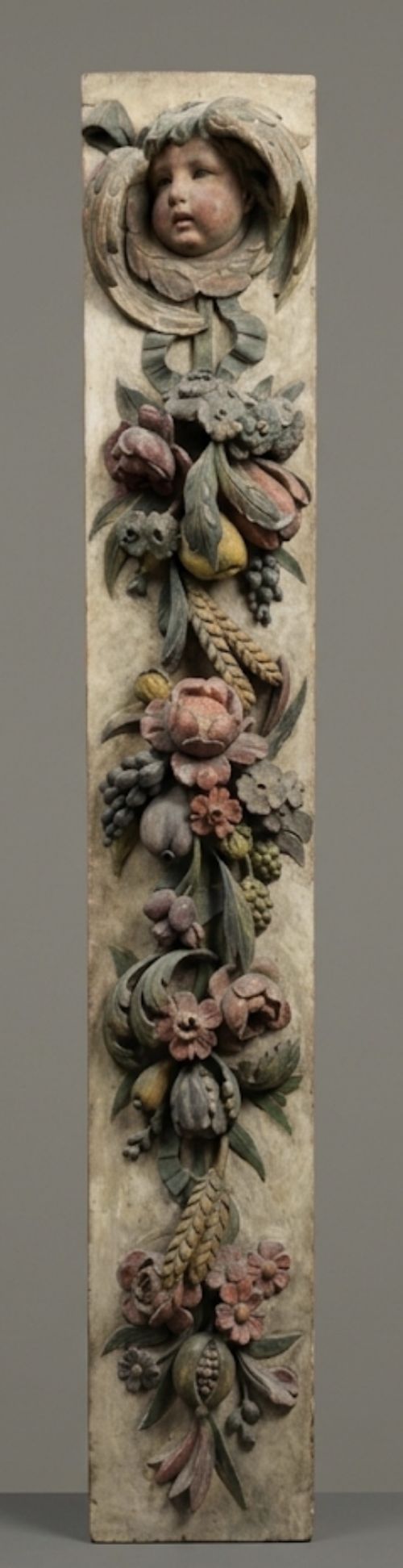
When you search for a painted wood cherub, you are looking at carved wooden figures of celestial winged infants that date primarily from the seventeenth, eighteenth and nineteenth centuries. These pieces appear as standalone carved figures, wall relief carvings, decorative panels and ornament upon mirrors and cabinets.
The versions you are most likely to meet on this page originate from Italian and French workshops, executed in styles ranging from Italian Baroque and Rococo Revival to French Empire. They function equally well as independent wall hangings or as integral sculptural mounts on larger decorative furnishings.
Materials and construction
Carvers shaped these figures from solid timber, frequently applying a layer of gesso to smooth the surface before painting and gilding. Polychrome paint finishes provide flesh tones, hair colour and drapery details directly over the wood.
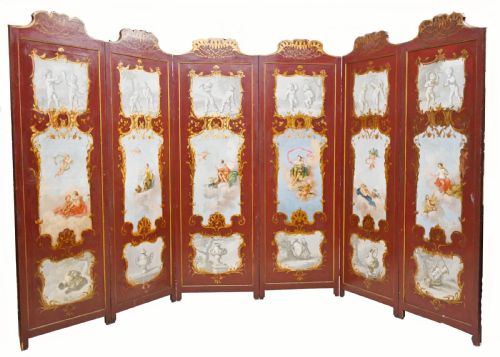
Many items combine carved wood with gold leaf application, creating a contrast between the painted flesh of the cherub and the gilded framework of panels or mirror surrounds.
Cherubs often appear sharing cloud formations with assorted trumpets and floral garlands.
Assessing quality and craftsmanship
The preservation of the original polychrome paint and gesso layer dictates the integrity of a piece. Retained layers of early paint and gold leaf hold greater historical substance than later overpainting.
Jean Baptiste Isabey
The Painted Wood Cherub Glossary
- Putto
- A plump, naked male child figure found in classical art and architecture. These winged figures frequently merge with religious and secular ornamentation.
- Polychrome
- Painted in several colours. This term describes wood and gesso surfaces decorated with various pigments rather than a single monochrome finish.
- Gesso
- A plaster mixture applied to wood surfaces as a base for paint or gold leaf. It allows carvers to achieve fine detail before decoration.
- Baroque
- An artistic style prevalent from the seventeenth to mid-eighteenth century characterised by exuberant motion and elaborate ornamentation. Italian and French examples dominate this aesthetic.
- Giltwood
- Timber decorated with gold leaf or powder. It provides a reflective surface that frames carved panels and mirrors.
Painted Wood Cherub: Frequently Asked Questions
What period do most painted wood cherubs come from?
The pieces recorded here span from the seventeenth century through to the early twentieth century, with a strong concentration of items originating in the eighteenth and nineteenth centuries.
Italian and French workshops produced the majority of these carved panels, mirrors and sculptural figures during those periods.
Where were these carved cherubs originally displayed?
Many originated as architectural elements within domestic interiors, churches or palatial rooms, mounted upon walls, ceilings or large furnishings such as mirrors and cabinets.
Today, collectors typically hang them as independent wall relief panels or place them on surfaces as decorative sculptural objects.
How do I care for a painted wood cherub?
Maintain stable indoor humidity and temperature levels to prevent the underlying timber from expanding and causing the gesso and paint layers to crack or flake.
Dust the surface gently with a dry, soft brush and avoid liquid cleaners that might damage the historic polychrome pigments.
Are these pieces usually signed by the maker?
Signatures or maker marks are uncommon on decorative architectural carvings and furniture ornaments from these historical periods.
Attribution typically relies upon stylistic analysis of the carving technique, regional characteristics, materials and period framing.