


Rococo Putto Carving
These rococo putto carving examples bring exuberant 18th-century winged figures and gilded scrollwork into modern interiors.
Rococo Putto Carving
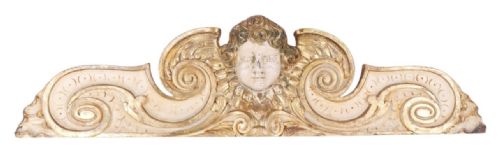
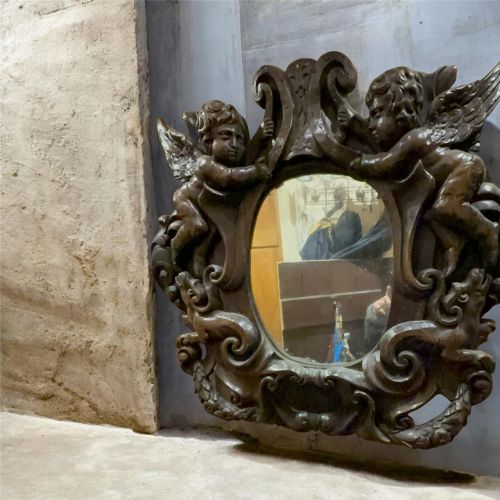
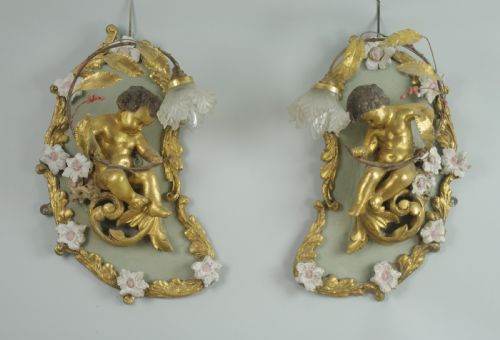
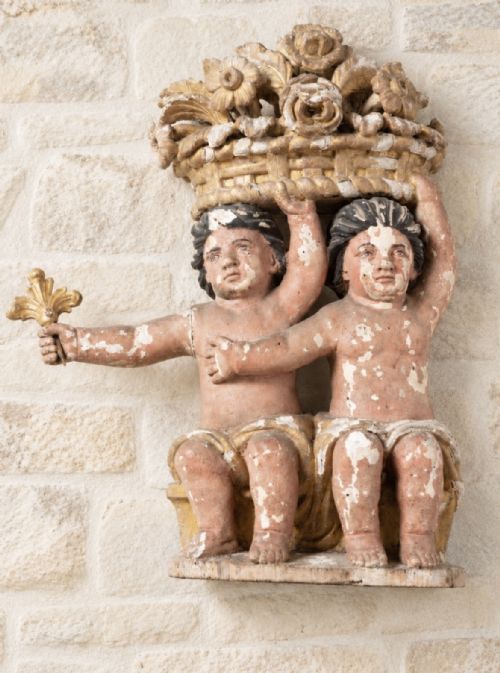
A rococo putto carving represents the playful, winged cherubic figures characteristic of the Rococo Revival, Baroque, and Italianate styles found across this selection. These pieces primarily manifest as wall lights, architectural fragments, console tables, and grand mirrors framed in carved wood and gesso.
The objects date predominantly from the 18th and 19th centuries, capturing the theatrical ornamentation favoured in French and Italian workshops. Buyers will frequently encounter wall mirrors, candelabra, and decorative figures depicting putti amidst clouds or scrolling foliage.
Forms range from freestanding wooden figures and porcelain centrepieces to elaborate overmantel mirrors and architectural salvage. Each piece incorporates the asymmetrical curves and organic motifs central to the rococo aesthetic.
Materials and construction
Giltwood and carved wood form the structural foundation for the majority of these sculptures and mirrors, often layered with gesso and finished with gold leaf or silver giltwood. Master carvers shaped these timbers to create the fluid drapery and expressive faces of the putti.
Specialised techniques include parcel gilding and polychrome paint applications on timber, alongside the use of hand-blown glass elements like Murano arms on wall lights. Porcelain appears in sculptural centrepieces from the early 20th century, shaped through traditional ceramic firing methods.
Several of these winged infants spend eternity hovering on clouds or hauling heavy lighting arms without ever complaining about the weight.
Judging quality
Depth of carving and anatomical definition distinguish exceptional sculptural work from routine production, particularly in the rendering of wings, hair, and facial expressions. Master carvers achieved a sense of movement and volume that lesser workshops missed.
The integrity of the surface finish dictates visual success, with original gold leaf and gesso displaying a richer patina than later repainting. Heavier timber foundations and robust joinery on mirrors and console tables indicate superior original craftsmanship.
The Rococo Putto Carving Glossary
- Putto
- A plump, naked male child figure, frequently winged, originating in classical art and revived during the Renaissance and Rococo periods. These figures dominate the decorative carvings and mirror frames in this collection.
- Giltwood
- Timber that has been coated with gold leaf or gold paint to create a shimmering metallic surface. It is extensively used on the mirrors and wall lights recorded here.
- Gesso
- A plaster-like mixture applied to wood surfaces to provide a smooth base for gilding and fine carving detail. It allows artisans to crisp up the edges of scrollwork and ornament.
- Parcel Gilded
- An object partially gilded, leaving areas of natural wood, paint, or contrasting finish visible beneath or alongside the gold leaf. This technique highlights specific architectural details.
- Overmantel Mirror
- A large mirror designed specifically to hang above a fireplace mantel. Several examples in this selection incorporate putto carvings into their crests.
Rococo Putto Carving: Frequently Asked Questions
Where should I hang a carved mirror?
These mirrors suit principal reception rooms or above fireplaces where their reflective glass and gilded frames can catch natural light. Ensure the wall structure can support the weight of timber and gesso frames.
Position them at eye level to appreciate the carved details of the putti and surrounding scrollwork.
How do I care for giltwood carvings?
Dust giltwood surfaces gently with a soft, dry brush to prevent damage to the delicate gold leaf and gesso layers. Avoid commercial cleaning sprays or moisture, which can strip historic finishes.
Keep pieces away from direct sunlight and strong heat sources to prevent the underlying wood from warping.
What is the difference between putti and cherubs?
Art historians use putto for the secular, mischievous child figures derived from classical mythology, while cherubs carry distinct theological connotations. In the context of 18th and 19th-century decorative arts, the terms are frequently interchanged.
Both appear widely as winged motifs supporting mirrors, brackets, and wall lights.
How do I date an antique wooden carving?
Examine the tool marks, timber species, and the composition of the underlying gesso layers to determine the period of manufacture. 18th-century pieces often show hand-tooling and specific wood shrinkage patterns consistent with age.
Revival pieces from the 19th and early 20th centuries imitate these historic styles using period-appropriate machinery and finishing techniques.