


Painted Two Seat Bench
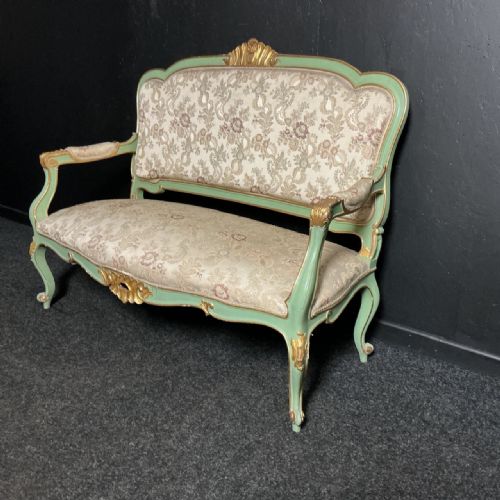
A painted two seat bench brings compact seating and distinct period character to a room, combining painted timber frames with upholstered or woven seats.
Painted Two Seat Bench
When you search for a painted two seat bench, you encounter a variety of compact seating options including settees, small sofas, window seats, and garden benches. These pieces span from the mid nineteenth century through the mid twentieth century, drawing on diverse stylistic traditions like Victorian, Edwardian, and various French revivals. Most examples offer comfortable seating for two in a reduced footprint, making them adaptable for hallways, bedrooms, and reception spaces.
How they were made
The frames rely on timber construction, utilising woods such as beech and satinwood, frequently shaped through carving or bentwood techniques. Artisans applied layers of paint, sometimes accentuating details with gold leaf or securing upholstery with brass tacks.
Seating surfaces often incorporate natural materials like cane to create supportive and breathable panels. The combination of painted wooden frameworks and woven or upholstered inserts defines the primary construction methods seen across these pieces.
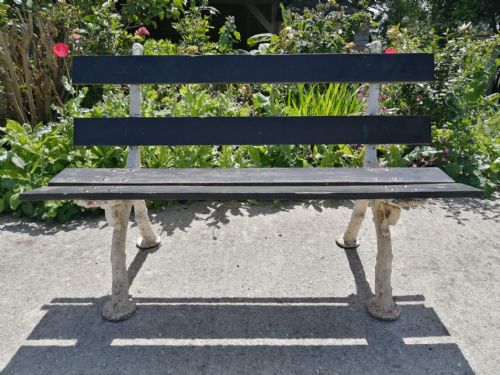
One nineteenth century maker successfully convinced iron to imitate timber, leaving us with heavy metal benches disguised as gnarled tree branches.
What varies in quality
Quality reveals itself in the fidelity of the carved details and the crispness of the painted finish applied to the wooden frame. Pieces that demonstrate superior craftsmanship maintain refined proportions and balanced decorative elements, whether following a Neoclassical or a Louis XV revival scheme.
The integrity of the structural joinery and the fineness of secondary materials, such as hand-woven cane or properly secured upholstery, distinguish finer examples from simpler utilitarian seating. The harmony between the painted surface and the underlying wood determines the overall visual presence of the settee or bench.
Coalbrookdale·Thonet
The Painted Two Seat Bench Glossary
- Canework
- A seating technique utilising woven rattan or cane panels inserted into wooden frames. This method provides a lightweight and flexible surface.
- Faux bois
- An artistic imitation of wood grain applied to hard materials like cast iron or stone. This technique became popular during the Victorian period for garden furniture.
- Louis XVI design
- A furniture style characterised by straight lines, symmetry, and classical motifs such as fluted legs. It reflects an eighteenth century French aesthetic revived in later periods.
- Satinwood
- A durable timber known for its natural golden sheen and smooth grain. It frequently appears in fine Edwardian and eighteenth century furniture.
- Bentwood
- A process of steaming timber to make it pliable enough to bend into curves. This technique defines the construction of classic Viennese seating.
Painted Two Seat Bench: Frequently Asked Questions
Where should I place a two seat bench?
These compact seats fit well in hallways, at the foot of a bed, or beneath a window as a dedicated seat. Their modest scale allows them to occupy smaller spaces where a full sized sofa would prove too large.
They also function effectively in reception rooms or alcoves, providing comfortable seating for two without overwhelming the surrounding layout.
How do I care for painted wooden furniture?
Protect painted wooden surfaces by keeping them away from direct sunlight and excessive moisture, which can cause the paint to crack or fade. Dust them regularly with a soft, dry cloth to prevent dirt accumulation.
Avoid using harsh chemical cleaning products that might strip or damage the original painted finish and decorative gilt details.
Can I use a garden bench indoors?
Certain metal or wooden garden benches transition successfully indoors, bringing a sculptural architectural element to interior spaces. Their robust construction suits boot rooms, conservatories, or large hallways.
When bringing outdoor pieces inside, ensure the feet are fitted with appropriate pads to protect interior flooring surfaces from scratching.