

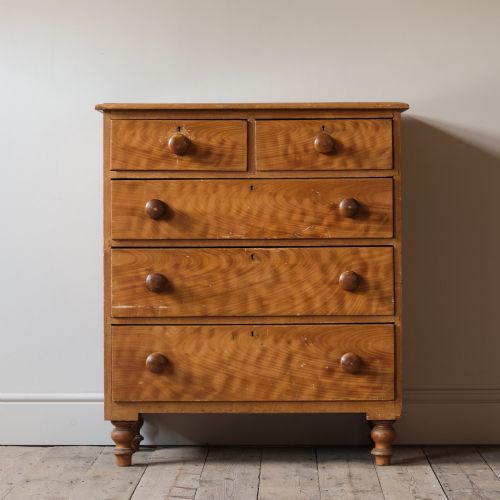
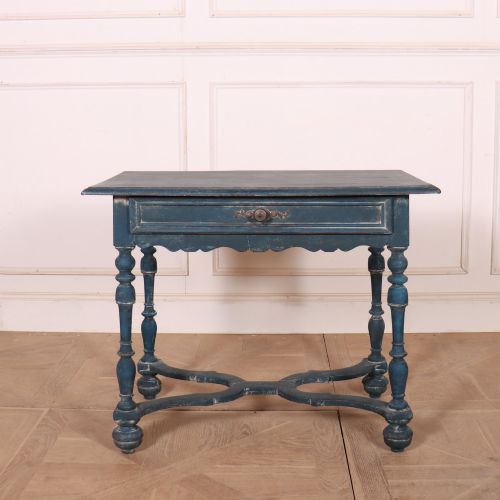
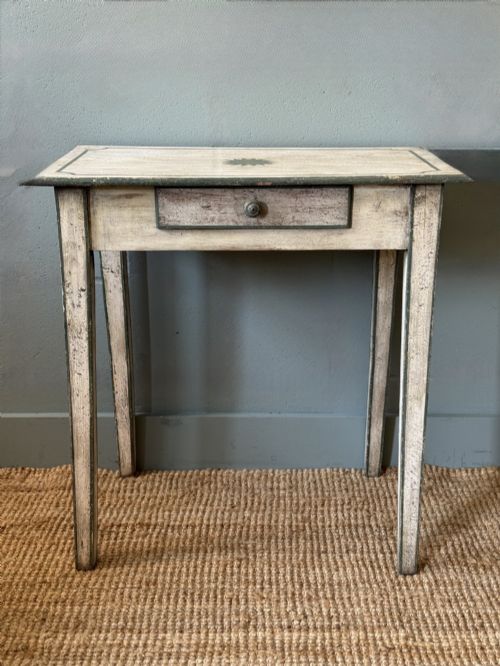
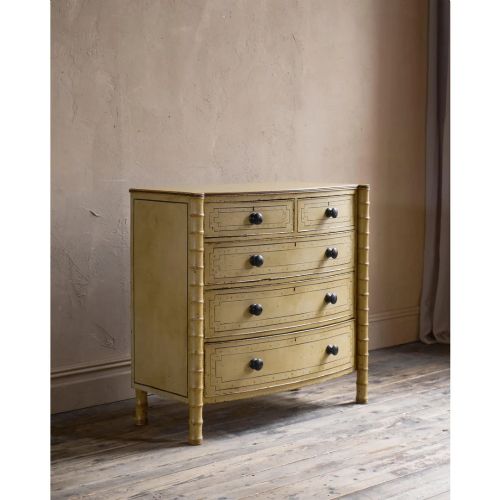
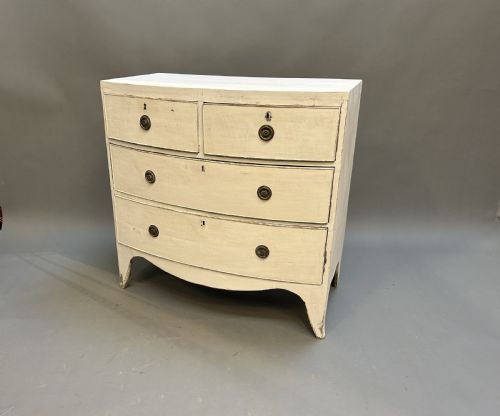

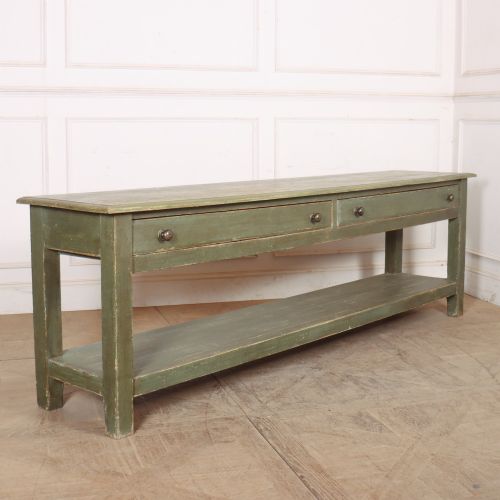


Painted Timber Drawers
These painted timber drawers bring the character of centuries past into a room through honest storage pieces and work tables.
Painted Timber Drawers
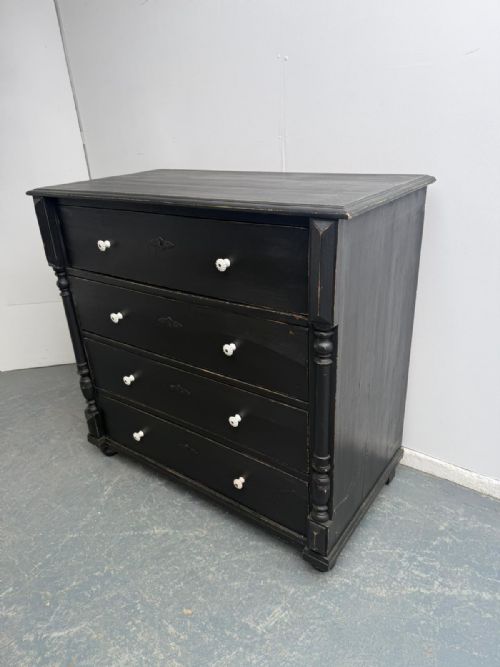
When you search for painted timber drawers, you encounter a diverse collection of storage forms from the eighteenth, nineteenth, and early twentieth centuries. These pieces encompass chests of drawers, commodes, dressers, and banks of drawers originating from English, French, Dutch, and Hungarian traditions.
The most common examples on this page are sturdy pine chests and dresser bases bearing layered painted finishes. Many reflect country house, provincial, or rustic farmhouse styles rather than formal urban cabinetmaking.
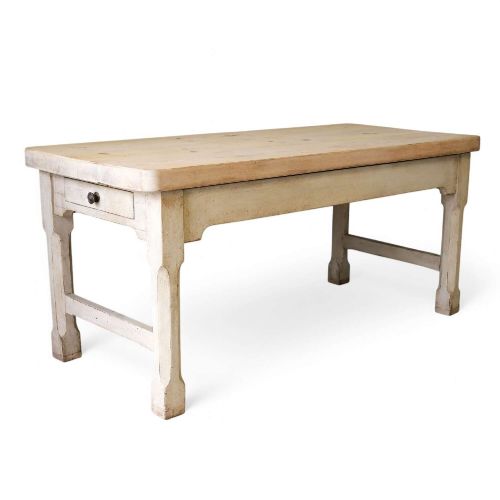
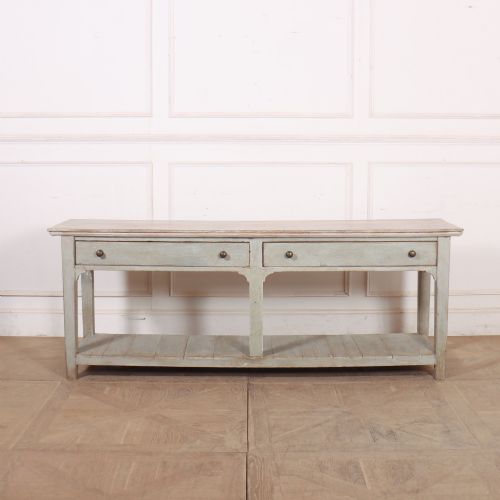
Beyond standard chests, the selection frequently includes side tables, serving tables, and shop counters with integrated drawer storage. Each item serves a practical function while displaying the distinct decorative choices of its period.
Materials and construction
Makers relied primarily on solid pine and fruitwood for carcass construction, utilising timber that was readily available locally. Drawers were built using traditional joints to withstand daily use in domestic and commercial settings.
Surfaces were coated in oil or water-based paints, sometimes applied decades after the original construction as seen in later paint applications and scumble finishes. Brass and iron hardware such as handles, escutcheons, and hinges secured the functional elements of each piece.
Painted Timber Drawers Retail Price Guide 2026
Typical asking prices for painted timber drawers among the pieces listed under this phrase on Sellingantiques today, from the lower quarter to the upper quarter. They describe what is for sale here now, not the wider market.
Several shop counters and drapers' banks retain enough drawer space to misplace your keys twelve times over.
Assessing quality and finish
Quality rests in the integrity of the timber frame and the historical honesty of the painted surface. Pieces retaining their original or early decorative paint schemes hold greater interest than those stripped and repainted in modern times.
Proportion and scale dictate the visual weight of a piece within a room. Well-proportioned mouldings, smooth-running drawers, and minimal structural alterations distinguish superior examples from ordinary utility items.
The Painted Timber Drawers Glossary
- Scumble paint
- A decorative glazing technique used to create mottled or wood-grained effects over a base coat. It was often applied in country houses to imitate more expensive timbers.
- Commode
- A low chest of drawers or cabinet originating from French tradition. These pieces often feature two or more drawers and elegant proportions suited to reception rooms.
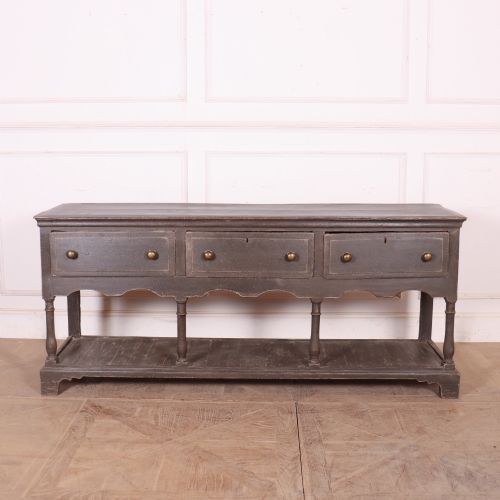
- Dresser base
- The lower section of a kitchen or dining room dresser, equipped with cupboards or drawers. They served as primary preparation and storage surfaces in traditional homes.
- Potboard
- An open slatted lower shelf fitted between the legs of a dresser base or serving table. It was traditionally designed to hold heavy earthenware pots and kitchen utensils.
- Bank of drawers
- A multi-drawer unit designed for commercial, shop, or institutional storage. Examples range from apothecary banks to large drapers and shop counters.
Painted Timber Drawers: Frequently Asked Questions
How do I clean a painted timber chest?
Dust the surface regularly with a soft, dry cloth to prevent dirt accumulation.
Avoid chemical cleaning products or excess moisture, which can damage aged painted finishes.
Are these drawers suitable for daily use?
Most pieces are structurally sound and built for everyday storage in modern homes.
Drawer movement may vary due to seasonal humidity changes acting on historic timber.
How can I tell original paint from later paint?
Original paint shows natural wear patterns, craquelure, and integration with the underlying wood.
Later paint applications often present a more uniform appearance or modern chemical composition beneath magnification.
Where were these pieces originally used?
They served practical roles in country houses, provincial farmhouses, and urban shops.
Many functioned as utility furniture in kitchens, sculleries, and merchant stores before entering private collections.