




Faux Grain Drawers
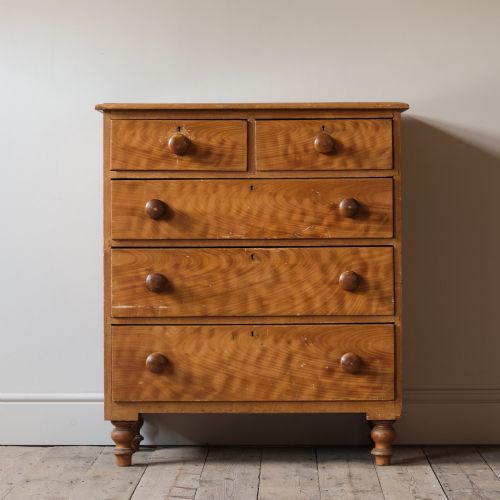
Faux grain drawers bring honest utility and rich surface pattern into a room through clever historic paintwork.
Faux Grain Drawers
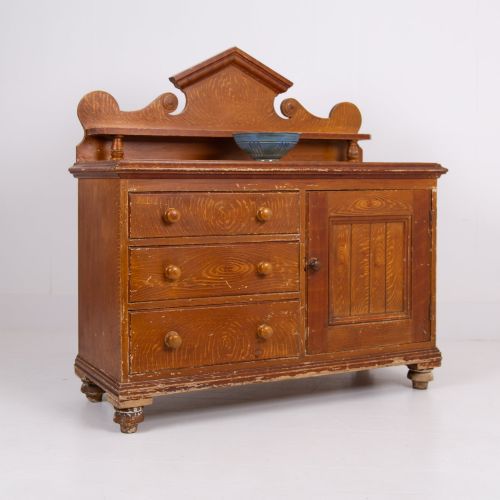
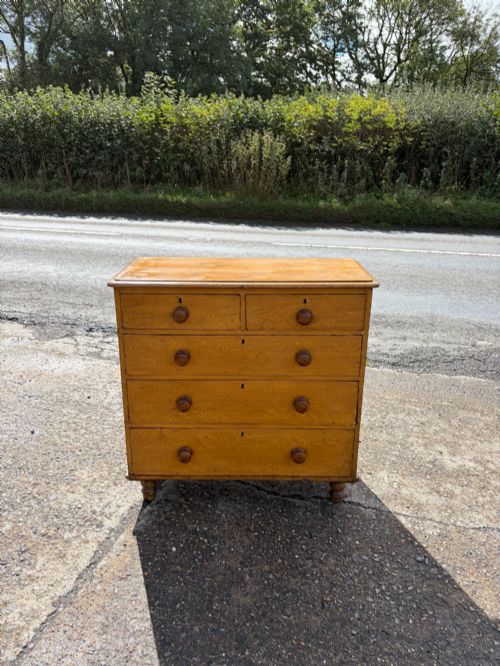
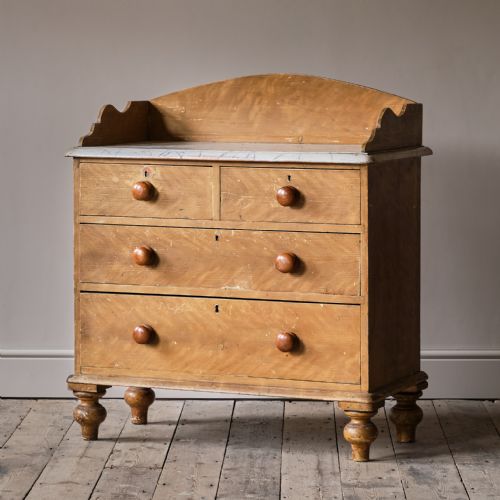
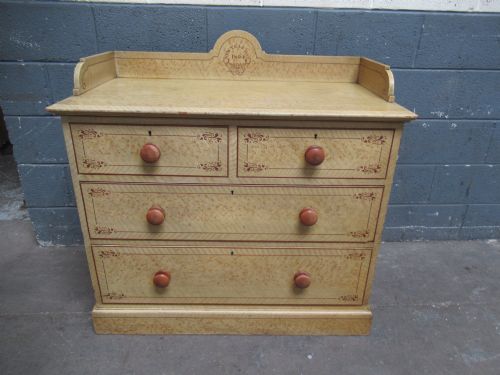
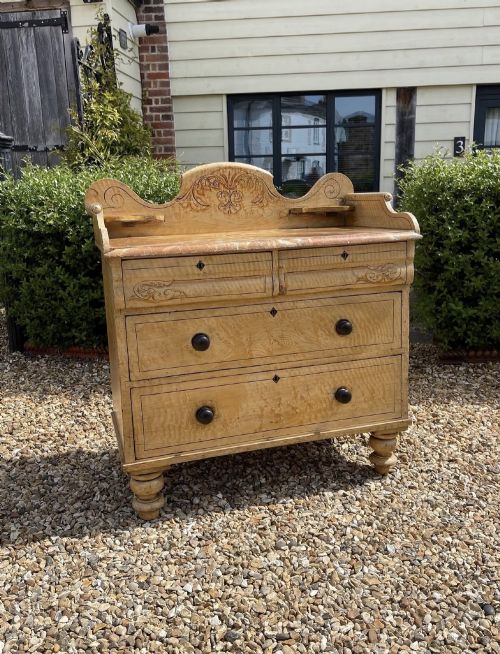
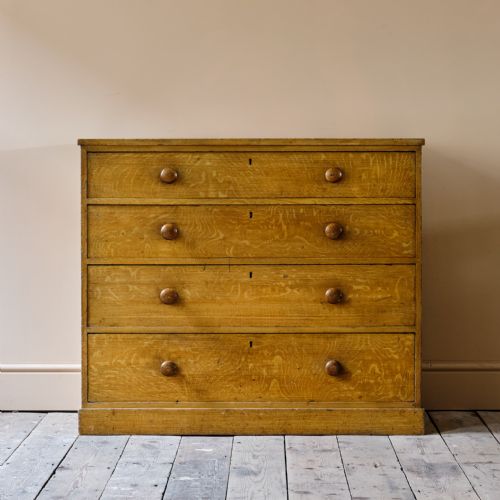
When searching for faux grain drawers, a buyer encounters pieces primarily from the nineteenth century, including the Victorian era and the decades around nineteen hundred. The forms span standard chests of drawers, washstands, kitchen dressers, dressing chests, and even miniature furniture.
Most examples met on this page are constructed from pine or softwood and finished with decorative painted surfaces that mimic more expensive timbers. These pieces range from robust country house storage chests to smaller folk art items, reflecting vernacular tastes across English and French provincial styles.
Materials and construction methods
Makers utilised accessible timbers like pine and softwood as a solid carcase for these items, building them to endure everyday domestic use. Brass fittings, ceramic elements, and glass components appear alongside the woodwork on specific forms like dressing chests and washstands.
The defining characteristic is the application of paint to create simulated grain, often achieved through scumble glazing techniques where translucent layers are manipulated with combs or brushes. This hand-painted finish transformed humble wood into a decorative surface that successfully imitated burl, oak, or mahogany.
Faux Grain Drawers Retail Price Guide 2026
Typical asking prices for faux grain drawers among the pieces listed under this phrase on Sellingantiques today, from the lower quarter to the upper quarter. They describe what is for sale here now, not the wider market.
Some nineteenth-century makers even painted miniature chests, ensuring miniature homes could enjoy faux mahogany just like the adults.
Factors of quality and execution
The distinction between ordinary and exceptional pieces lies in the skill and subtlety of the brushwork used to create the simulated grain. Fluid, expressive scumble painting that retains its original depth and character elevates a simple pine carcase into a compelling work of folk art.
Preservation of the early or original surface finish dictates the standing of an individual piece within this tradition. Examples retaining their untouched painted skin without heavy modern intervention command greater interest from those seeking authentic period character.
The Faux Grain Drawers Glossary
- Scumble
- A semi-transparent layer of dark paint applied over a lighter base colour to create decorative grain effects. Painters manipulated this wet glaze using combs, rags, or brushes to imitate the natural patterns of exotic hardwoods.
- Simulated wood
- A decorative finish where common timber is painted to resemble costly varieties such as oak, walnut, or mahogany. This technique allowed households of modest means to follow prevailing fashionable interior aesthetics.
- Softwood
- Coniferous timber, predominantly pine in these listings, used extensively for nineteenth-century vernacular furniture carcases. It provided a lightweight and stable base that readily accepted decorative painted finishes.
- Wellington chest
- A tall, slender storage chest featuring a locking hinged stile on one side that secures all the drawers simultaneously. This form occasionally appears with country house scumble paint finishes.
- Washstand
- A specialised piece of furniture designed to hold a basin and jug for morning ablutions, frequently incorporating drawers and lower storage. These items often feature protective painted or glazed surfaces to withstand water splashes.
Faux Grain Drawers: Frequently Asked Questions
What is scumble paint?
Scumble paint involves a translucent top coat manipulated over a lighter base to create faux wood patterns.
Craftsmen used tools like combs and feathers while the glaze was wet to mimic authentic timber grain.
How do I clean these surfaces?
Historic painted finishes require gentle dusting with a dry, soft cloth to protect the delicate glaze layers.
Avoid liquid cleaners, strong detergents, or modern polishes that can soften or strip original nineteenth-century paint.
Are these pieces strictly Victorian?
The majority date from the nineteenth century and the Victorian period, though examples extend into the early twentieth century.
Stylistic markers range from rustic farmhouse to folk art and country house interpretations.
Where were they used originally?
These items served functional roles in bedrooms, kitchens, and dressing rooms across modest homes and country houses alike.
Their decorative painted facades brought colour and pattern to domestic spaces without requiring expensive solid hardwoods.