

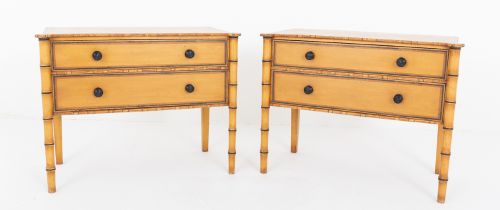
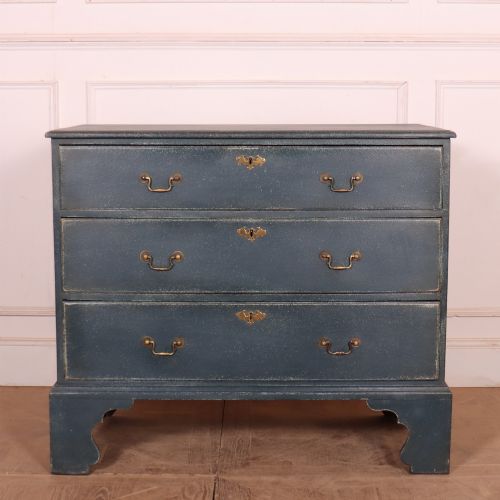
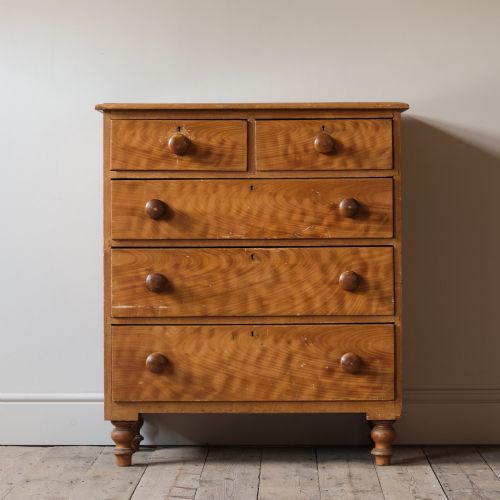


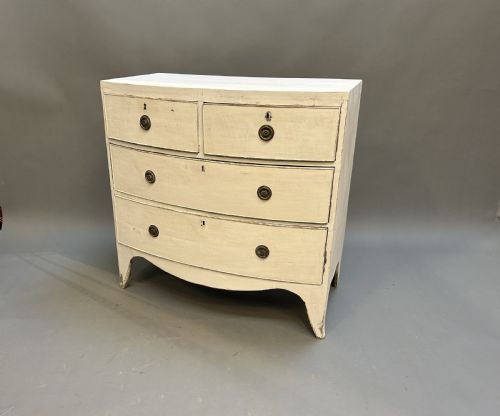
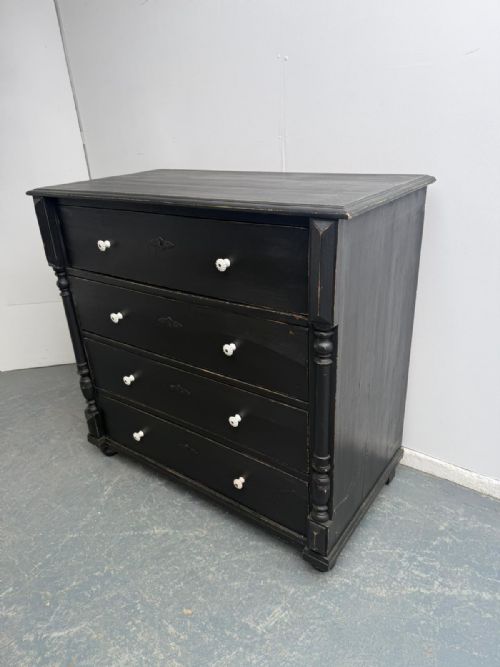


Painted Timber Chest Drawers
These painted timber chest drawers bring surface character and practical storage to a room through centuries of European country craft.
Painted Timber Chest Drawers
A painted timber chest drawers combines utilitarian storage with decorative surface finishes, ranging from compact commodes to large banks of drawers. When you search for painted timber chest drawers, you encounter pieces designed for bedrooms, provincial kitchens, and merchant shops across various European regions.
The selection on this page relies heavily on nineteenth-century examples alongside eighteenth-century provincial pieces. You will find forms spanning English country pieces, French commodes, Dutch chests, and Hungarian cupboards.
Common formats include standard multi-drawer chests, narrow Wellington chests, and low commodes featuring varying drawer configurations. Pine and mixed timber form the primary structural carcases for these decorative storage units.
How they were made
Carpenters constructed these storage units using solid timbers such as pine, applying surface paint directly to the wood. Decorative techniques include scumble glaze, faux bamboo turning, and regional folk art motifs applied over timber carcases.
Hardware details such as brass handles and ceramic pulls complement the painted wooden structures. Cabinetmakers built these items using traditional joinery methods suited to domestic and commercial environments.
Painted Timber Chest Drawers Retail Price Guide 2026
Typical asking prices for painted timber chest drawers among the pieces listed under this phrase on Sellingantiques today, from the lower quarter to the upper quarter. They describe what is for sale here now, not the wider market.
The selection includes nineteenth-century pieces alongside eighteenth-century provincial commodes and shop counters.
What varies in quality
The distinction between standard and superior pieces rests in the originality and preservation of the painted surface. Authentic period finishes that show honest patination hold greater visual depth than later repainting.
Construction integrity also defines the tier of a piece, observable in the smooth movement of drawers and the stability of the timber frame. Regional provenance and distinctive decorative flourishes elevate particular examples above standard utilitarian storage.
The Painted Timber Chest Drawers Glossary
- Commode
- A low chest of drawers or cabinet, often of French origin. These pieces frequently feature decorative painted finishes and graceful proportions.
- Scumble paint
- A translucent glaze layered over a base coat and manipulated with tools to simulate wood grain or create patterned texture. This technique appears frequently on country house furniture.
- Wellington chest
- A tall, narrow chest of drawers secured by a hinged locking stile on one side. This design originated in the nineteenth century for secure storage.
- Mule chest
- A storage chest featuring one or more drawers built into the base beneath the main compartment. These pieces bridge the gap between traditional blanket boxes and modern drawer units.
- Faux bamboo
- Wood turned and carved to resemble natural bamboo stalks. Makers utilised this decorative style during the nineteenth century for an exotic aesthetic.
Painted Timber Chest Drawers: Frequently Asked Questions
What is a painted timber chest drawers?
A painted timber chest drawers is a storage unit made from wood with a decorative painted finish on the exterior. These pieces serve domestic storage needs while adding distinct colour and surface texture to an interior space.
Originating from various European traditions, they range from simple pine workshop banks to elegant provincial commodes. The paintwork often reflects the regional folk art or interior fashions of its specific period.
How do I date a painted chest?
Dating a painted wooden chest involves examining the underlying timber construction, joinery methods, and the ageing characteristics of the paint layer. Eighteenth-century pieces generally show different structural framing compared to nineteenth-century factory or workshop items.
Hardware types, such as brass pulls or ceramic knobs, also provide clues to the era of manufacture. Original surface patination helps distinguish genuine antique paint from modern decorative applications.
Where were these chests used?
These storage pieces functioned primarily in domestic bedrooms, hallways, and living spaces for holding linens and clothing. Larger banks of drawers and shop counters served commercial purposes in mercantile settings.
Provincial homes across England, France, Holland, and Hungary utilised these functional units for everyday household organisation. Their decorative painted surfaces allowed them to sit comfortably in both principal rooms and service areas.
How do I care for painted wood?
Maintaining antique painted furniture requires protecting the delicate surface from excessive moisture, direct sunlight, and extreme temperature fluctuations. Dusting gently with a dry, soft cloth prevents particulate buildup without harming the finish.
Avoid using harsh chemical cleaners or abrasive polishes that can strip original or historic paint layers. Maintaining stable indoor humidity preserves both the underlying timber and the decorative surface.