


Painted Terracotta Urn
A painted terracotta urn brings warmth to a garden or hall through weathered pigment and baked earth.

Painted Terracotta Urn
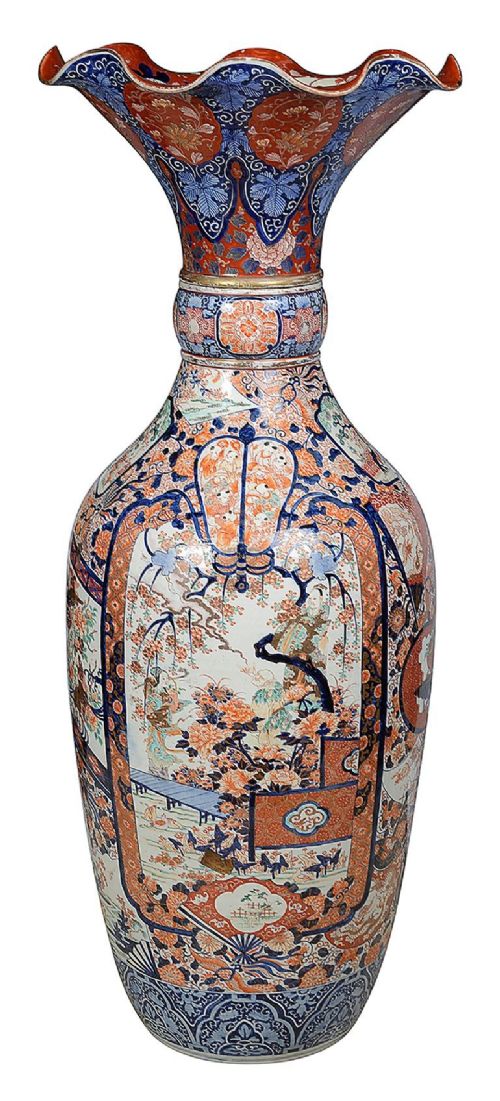
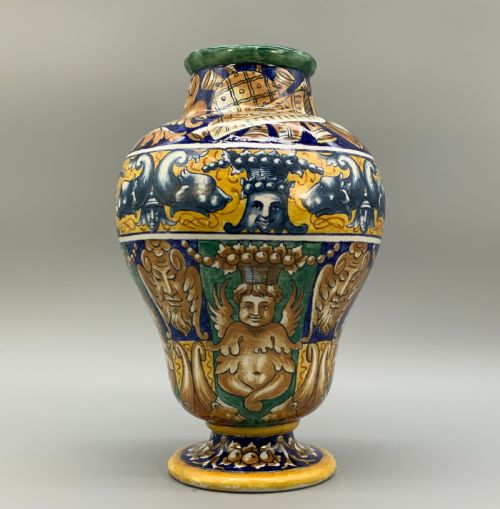
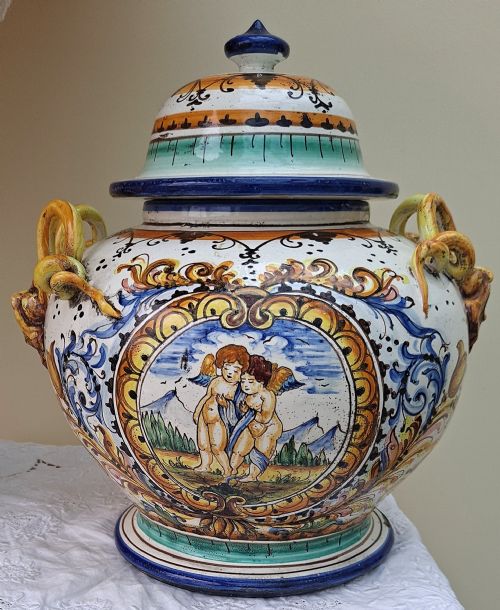
When you search for a painted terracotta urn, you encounter sturdy vessels designed for gardens and interior display, ranging from Mediterranean olive jars to Italianate garden pieces. The selection here leans towards nineteenth-century examples and twentieth-century terracotta vessels, alongside related pottery and earthenware forms.
Makers and potteries such as the Dunfermline Clay Company produced substantial pedestals and urns during the nineteenth century. These objects function equally as floor vases, garden ornaments, and decorative vessels within domestic spaces.
What varies in quality
The distinction between standard vessels and exceptional examples lies in the finesse of the painted surface and the crispness of the moulded or turned clay body. Superior pieces exhibit hand-painted detail that adheres harmoniously to the porous terracotta substrate.
Proportion and scale dictate the visual weight of an urn, with well-balanced forms commanding a space effectively. The interaction between surviving original paint and the underlying earthenware surface determines the character of each piece.
Materials recorded across these pieces include enamel, porcelain, earthenware, terracotta, gold leaf, paint, ceramic, and glaze.
Dunfermline Clay Company
The Painted Terracotta Urn Glossary
- Terracotta
- A porous, brownish-red earthenware clay that is fired at relatively low temperatures. It serves as the primary structural body for these painted urns and garden vessels.
- Earthenware
- Pottery fired at lower temperatures that remains porous unless glazed or painted. This material forms the base for many traditional Mediterranean and regional vessels.
- Majolica
- Tin-glazed earthenware decorated with colourful painted pigments, often associated with Italian Renaissance revivals. It provides a smooth, opaque surface for intricate polychrome designs.
- Amphora
- A tall ancient storage jar featuring two handles and a narrow neck, adapted in later centuries as a decorative garden or floor vessel. These forms often carry painted or glazed finishes.
- Enamel
- A glossy, melted glass coating fused to pottery or metal surfaces through firing. It offers durable, vibrant colour on ceramic bodies.
Painted Terracotta Urn: Frequently Asked Questions
Where should I place a terracotta urn?
These vessels suit both indoor reception rooms and sheltered garden settings, depending on their weight and finish. Placing them on pedestals elevates their profile in hallways or courtyards.
Protect delicate painted surfaces from prolonged moisture and freezing winter temperatures if kept outdoors. Indoor placement highlights the tactile quality of the earthenware and pigment without weathering risks.
How do I clean painted terracotta?
Dust gently with a dry, soft cloth to preserve fragile historical pigments and enamel layers. Avoid harsh chemical cleaners or abrasive scrubbing that might lift the paint.
Moisture can seep into unglazed terracotta, so keep cleaning liquids to an absolute minimum. A dry soft brush removes debris from moulded crevices effectively.
Are these urns waterproof?
Many historical terracotta and earthenware vessels remain porous and allow moisture to pass through the unglazed clay body over time. Using an internal liner protects both the vessel and the surface it rests upon.
Glazed interiors offer better water resistance, but older painted pieces require careful handling when holding fresh flowers or water.
How do I date a terracotta urn?
Examine the tooling marks, the composition of the clay, and the characteristics of the paint or enamel layer. Nineteenth-century examples often display revival styles such as Italianate or Renaissance motifs.
Comparing the potting technique and surface wear with documented regional pottery helps narrow down the period. Patina accumulated through age provides a reliable indicator of longevity.