


Painted Terracotta Sculpture
A painted terracotta sculpture brings tactile warmth and polychrome depth into a room, spanning ancient burial figures and European portrait busts.
Painted Terracotta Sculpture
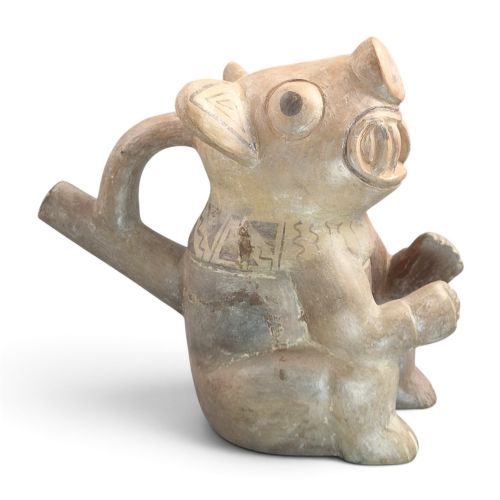
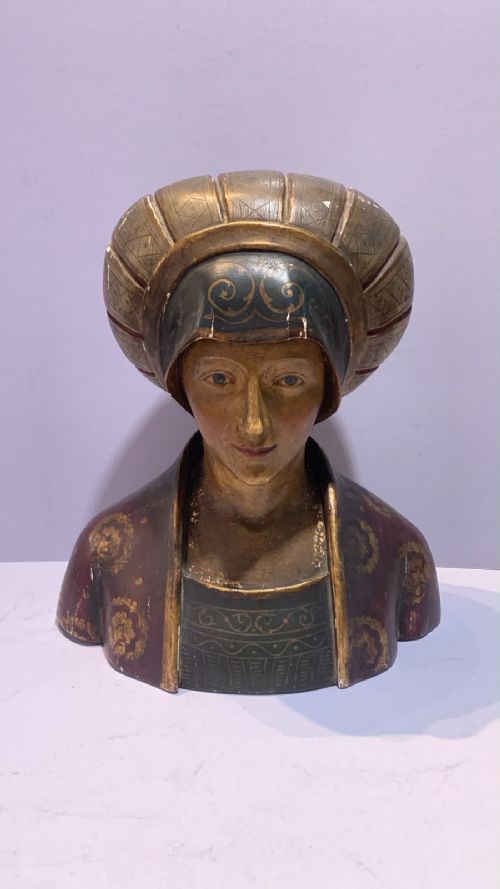
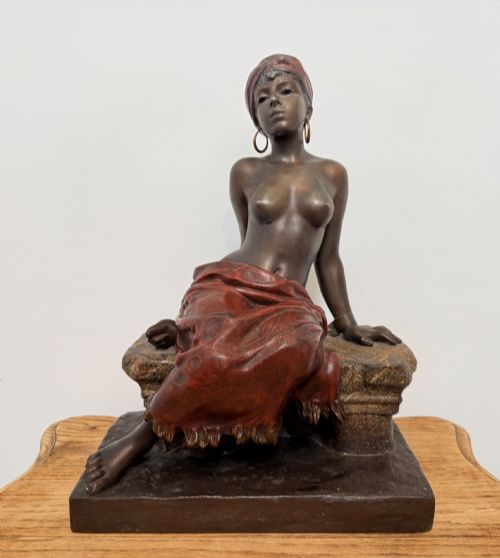
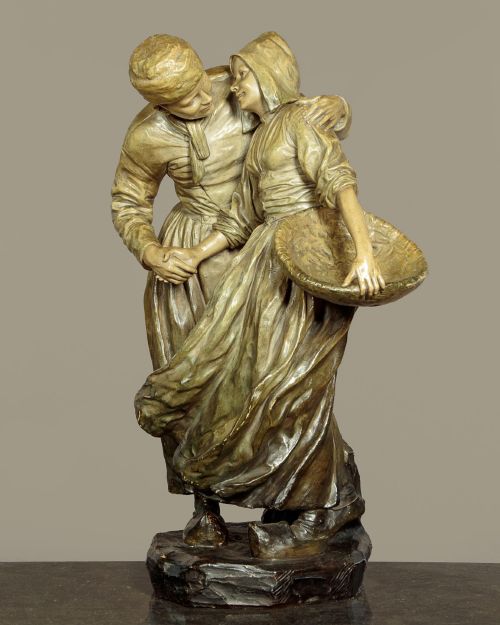
A painted terracotta sculpture encompasses figural works, animal studies, and architectural elements shaped from fired clay and finished with surface pigments or glazes. When searching for painted terracotta sculpture, buyers encounter objects ranging from ancient tomb figures and pre-Columbian vessels to nineteenth-century European bust portraits and animal models.
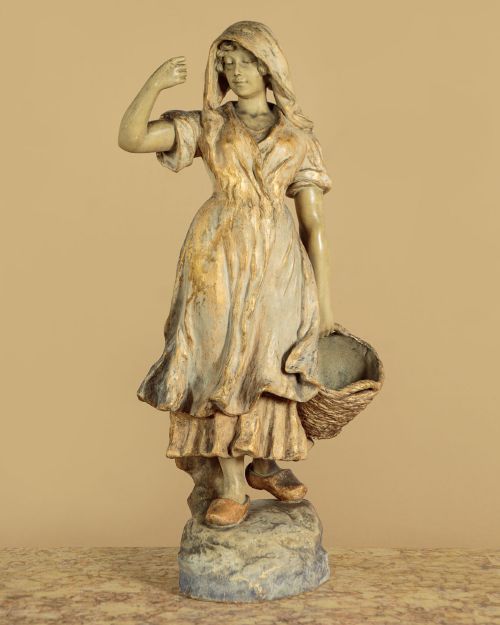
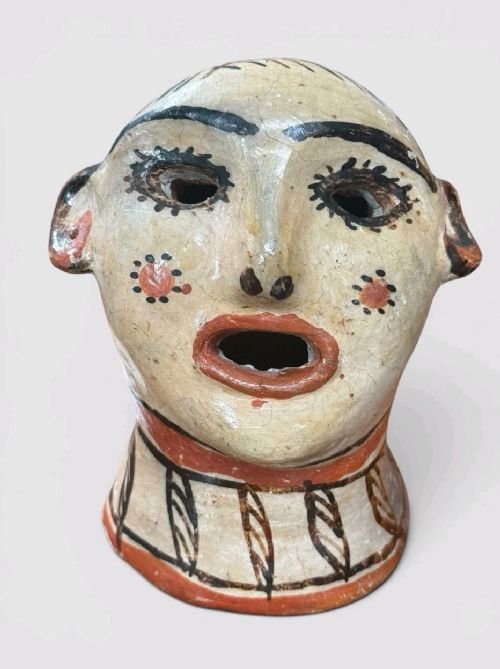
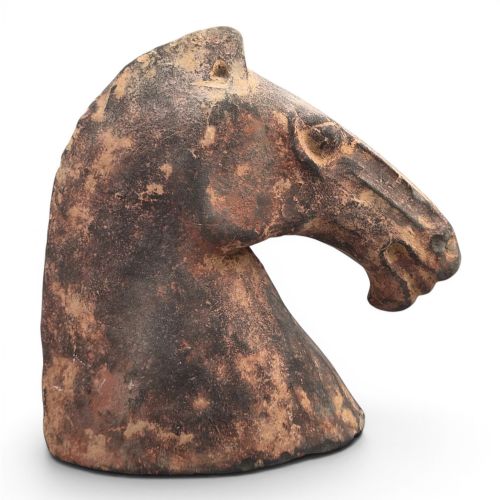
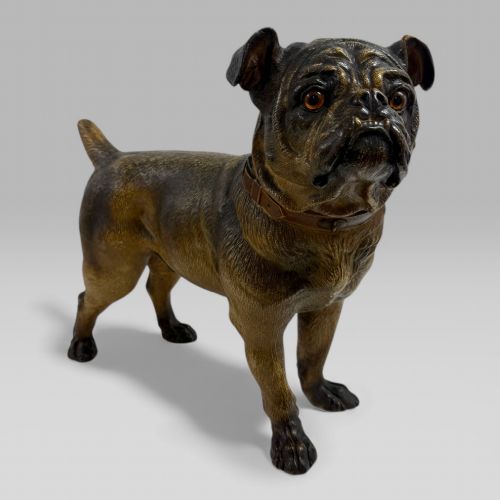
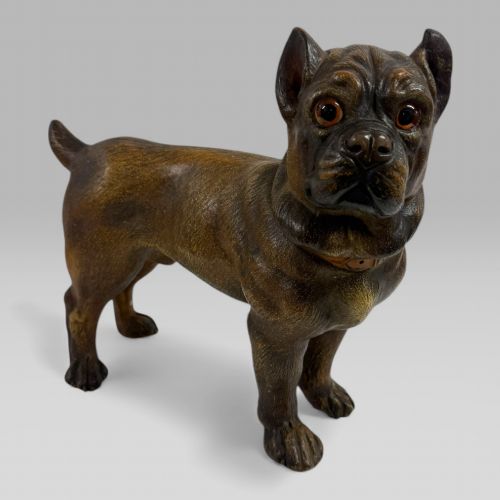
The selection on this page leans heavily towards nineteenth-century European studio figures, particularly Austrian animalier subjects and portrait busts, alongside ancient Asian and American artefacts. Makers such as Goldscheider and Bernard Bloch dominate the European selections, while ancient dynasties provide the earliest examples of modeled clay.
Forms vary from life-size dogs and classical female busts to architectural fragments like tent pole tops and decorative vessels. Collectors select these pieces for the direct touch of the modeler's hand preserved in the clay and the survival of their original surface decoration.
Materials and construction methods
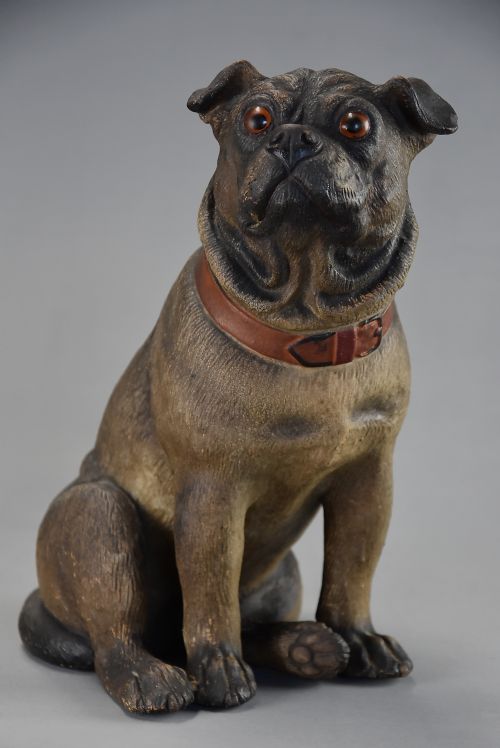
Surface treatments range from simple mineral pigments on ancient pottery to complex polychrome paints and faux finishes on nineteenth-century Austrian studio pieces. Glass eyes or applied ceramic details occasionally supplement the fired clay to heighten realism in figural and animal subjects.
Listings span periods from Pre 16th century ancient pottery up to 1960 folk art, with a strong concentration of nineteenth-century Austrian studio production.
Assessing quality and execution
Quality in these works rests upon the crispness of the initial modeling and the survival of the original painted surface. Master modellers achieved subtlety in facial expressions, drapery folds, and anatomical details that lesser workshop copies miss.
The integrity of the pigment layer dictates much of the visual success of a piece, as original unrefreshed paint surfaces hold greater decorative and historical value. Heavier casts and larger life-size animal studies demonstrate technical ambition in managing clay shrinkage and firing distortion.
Goldscheider·Bernard Bloch·Ernst Whaliss·Royal Dux
The Painted Terracotta Sculpture Glossary
- Terracotta
- Fired unglazed earthenware clay, typically reddish-brown in colour. It serves as the primary medium for both ancient vessels and European studio figures.
- Cold painted
- Paint applied to a sculpture after the final kiln firing without being re-fired. This technique allows for delicate polychrome details but remains vulnerable to flaking.
- Mingqi
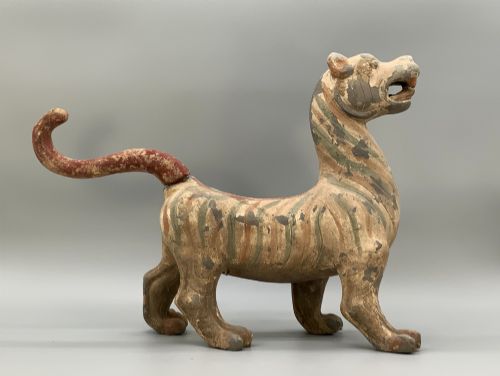
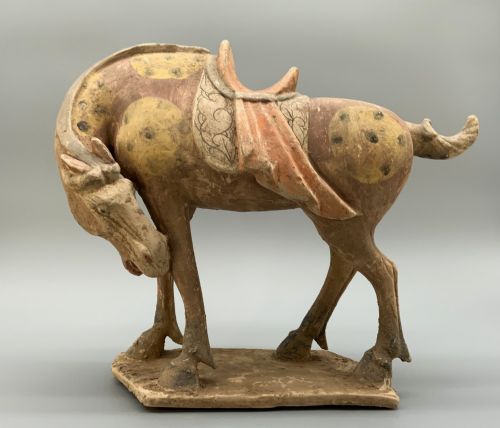
- Chinese spirit or tomb figurines placed in burials to accompany the deceased. These figures include painted pottery horses and guardian beasts from ancient dynasties.
- Animalier
- Artworks depicting animals with realistic anatomical detail. Nineteenth-century Austrian potteries produced notable life-size and smaller examples of pugs and chimps.
- Grand Tour
- Cultural travel undertaken by nineteenth-century Europeans to collect classical antiquities and copies. Busts and architectural fragments often entered collections through these travels.
Painted Terracotta Sculpture: Frequently Asked Questions
How do I clean a painted terracotta sculpture?
Dust surfaces gently with a soft dry brush, avoiding water or liquid cleaners that can lift fragile historic pigments. Painted finishes on earthenware require careful handling to preserve the original decorative layers.
Display pieces away from direct moisture and bright sunlight to prevent the pigment from fading or the clay body from dampening over time.
What is the difference between ancient and nineteenth-century pieces?
Ancient works typically originate from burial contexts or ritual practices, utilising simple mineral pigments on earthenware or pottery bodies. Nineteenth-century European pieces reflect commercial studio production, focusing on portraiture, animal studies, and decorative interior display.
While ancient items carry archaeological provenance from dynasties and early cultures, later European pieces often bear maker marks and detailed cold-painted finishes.
Why are animal sculptures so common?
European potteries in the nineteenth century experienced high demand for realistic animalier subjects, particularly domestic dogs like pugs. These life-size or table-top figures served as decorative furnishings for wealthy homes.
Sculptors captured domestic and exotic beasts with humour and precision, translating the pliable nature of clay into lifelike animal forms.
Are these sculptures solid clay?
Many larger sculptures and bust portraits are hollow-cast or built around a supporting core to reduce weight and prevent cracking during the kiln firing process. Solid construction appears more frequently in smaller figures, vessel attachments, and ancient fragments.
Inspect the underside or base to observe the wall thickness and the working methods of the studio or potter.