

Painted Storage Box
A painted storage box brings colour and utility together, offering robust domestic containment finished with decorative brushwork.
Painted Storage Box
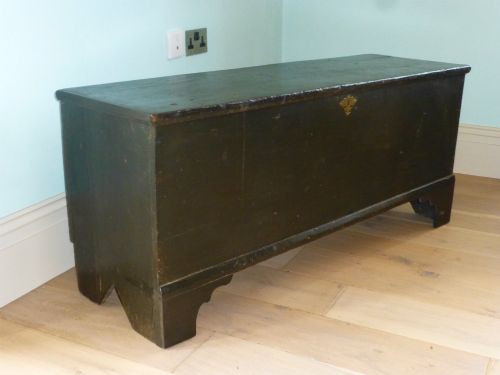
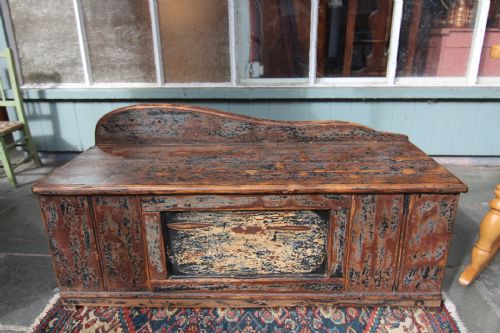
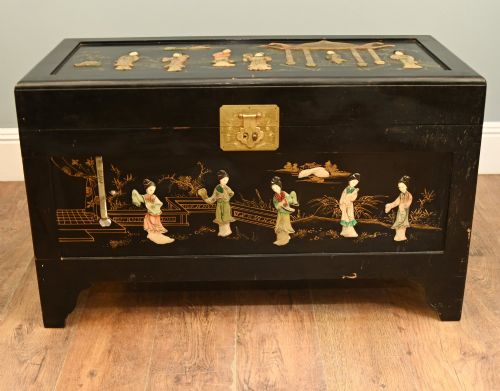
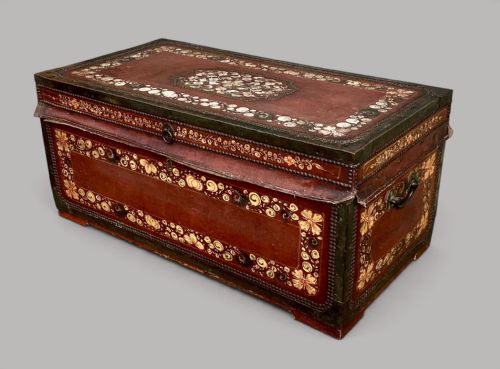
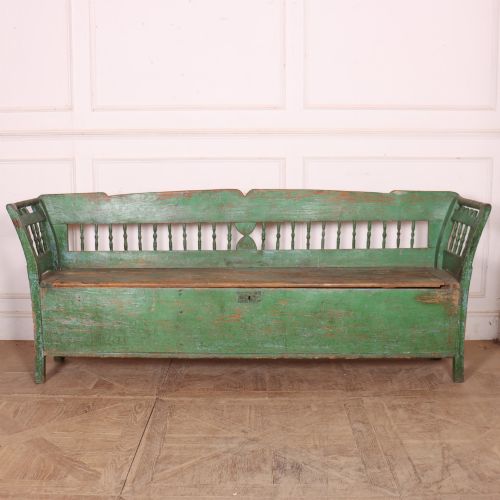
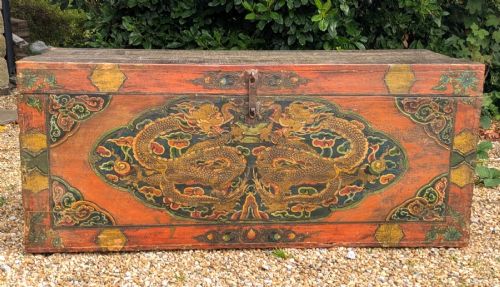
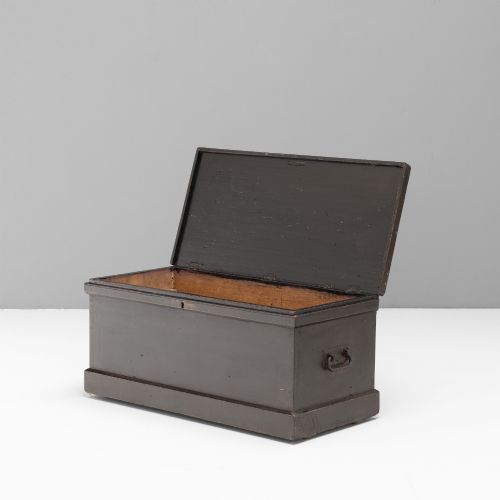
When you search for a painted storage box, you encounter timber chests, pine trunks and folk art coffers spanning the Georgian, Victorian and later nineteenth-century periods. These vessels served practical domestic roles in European farmhouses, English country homes and colonial campaign settings.
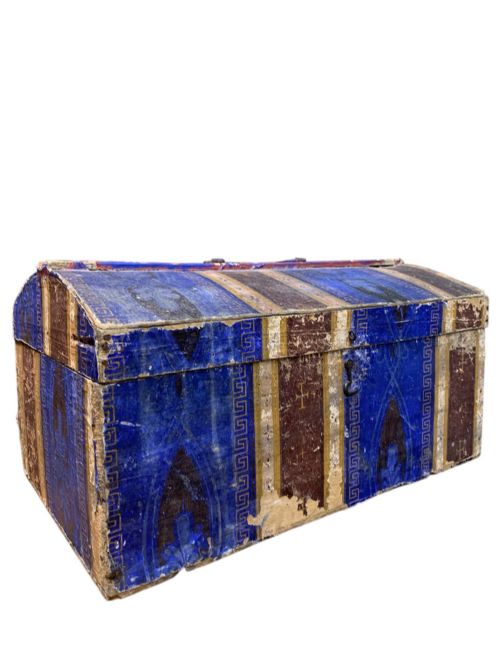
The pine storage trunk and the folk-art decorated coffer form the core of what appears here. Many examples originate from regional traditions such as Hungarian, Swedish and Austrian workshops, where functional furniture received decorative schemes.
Domestic forms extend from large blanket boxes and mule chests to smaller travel trunks and bench seats with internal compartment storage. Each piece combines structural utility with surface pigment, uniting carpentry and decorative art.
How they were made
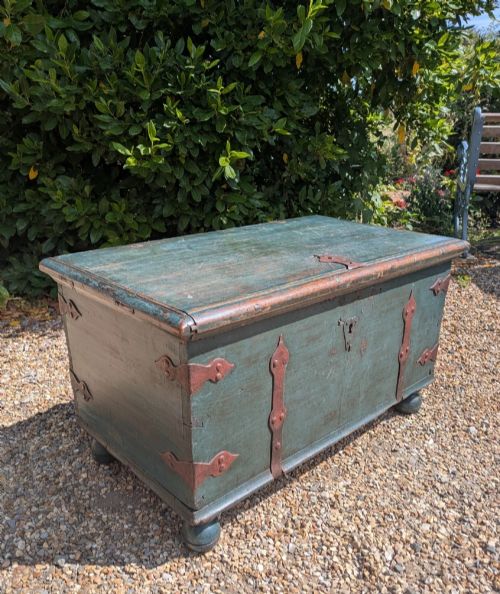
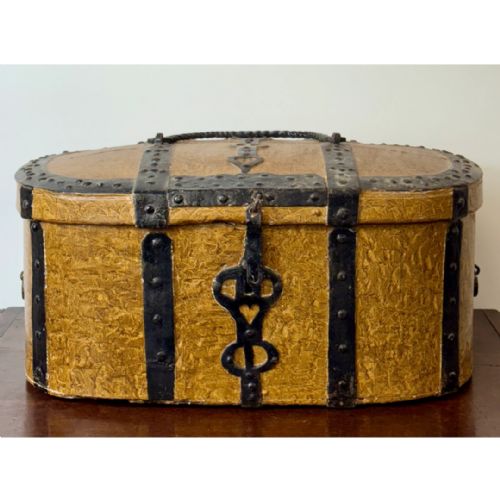
Carpenters constructed these boxes primarily from solid pine or regional hardwoods, joining boards with dovetails or pegged mortise-and-tenon joints to withstand heavy usage. Hand-forged iron strapwork, brass corners and wrought iron hinges reinforced the structural integrity of travel trunks and military chests.
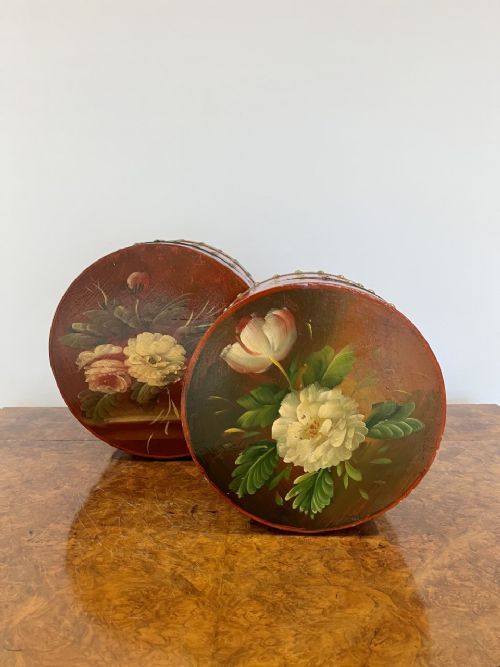
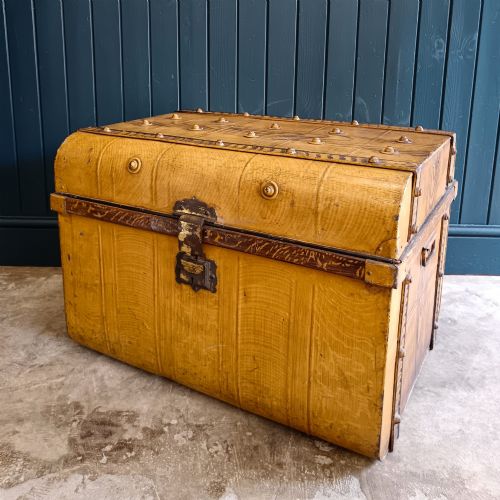
Surfaces received priming coats followed by lead-based or oil paints, sometimes finished with lacquer, faux-wood graining or polychrome folk motifs. Hand-brushed decoration applied direct to the wood or over earlier painted layers created the colourful exteriors characteristic of regional European pieces.
Painted Storage Box Retail Price Guide 2026
Typical asking prices for painted storage box among the pieces listed under this phrase on Sellingantiques today, from the lower quarter to the upper quarter. They describe what is for sale here now, not the wider market.
Some nineteenth-century domestic tin boxes disguised themselves as everyday grocery items while securely locking away fine tobacco.
What varies in quality
The integrity of the original paint surface dictates much of the standing of a painted storage box. Examples retaining their initial pigment without extensive overpainting command greater interest from collectors than those stripped and refinished later.
Construction details also separate robust utility items from finer cabinetwork. Hand-forged ironwork, original brass hardware and untouched dovetail joints indicate superior workshop origin compared to plain nailed construction.
The Painted Storage Box Glossary
- Mule chest
- A storage chest fitted with one or more drawers beneath the main internal compartment. This form bridges the traditional trunk and the modern chest of drawers.
- Cofer
- A heavy wooden chest traditionally used for storing valuables or linen. These sturdy boxes often feature reinforced iron bands.
- Polychrome
- Decorated in multiple colours. This term describes painted surfaces displaying varied pigments and pictorial or geometric motifs.
- Strapwork
- Metal bands or hinges applied across the exterior of a box to reinforce the corners and joints. Iron strapwork provides both structural strength and visual contrast.
- Toleware
- Lacquered or enamelled metalware, often painted with floral or figural designs. These items range from small tea caddies to coal scuttles.
Painted Storage Box: Frequently Asked Questions
What were painted storage boxes used for?
These boxes provided secure domestic storage for blankets, clothing, documents and household provisions in period homes. Many travelled across continents or served as stationary furniture within farmhouses and country estates.
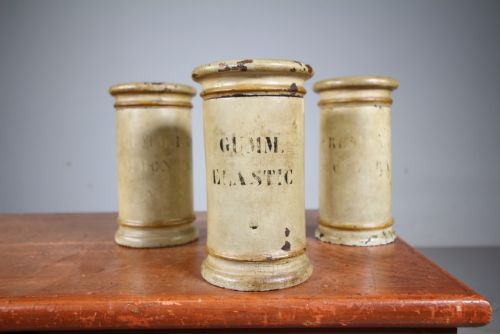
Larger trunk variants accompanied officers on military campaigns or stored domestic linens near household hearths. Smaller boxes contained tea, tobacco or personal valuables.
How do I care for a painted storage box?
Protect the fragile painted surfaces by keeping wooden chests away from direct sunlight and maintaining stable room humidity. Gentle dusting with a dry cloth prevents grime accumulation without risking the pigment layer.
Avoid applying modern chemical polishes or water directly onto historic paintwork. Wax should only be used on unpainted wooden interiors or robust unpainted exteriors.
How can I tell the period of a painted box?
Examine the construction methods, nail types and timber preparation visible inside the box and along the base joints. Hand-wrought ironwork and pegged joinery generally point to earlier Georgian or eighteenth-century manufacturing.
Later Victorian and late nineteenth-century pieces often display machine-sawn timber boards and standard ironmongery. Paint analysis and stylistic motifs matching regional folk art traditions further help date the piece.
Where were these painted boxes made?
Origin locations span British workshops, military encampments and various European rural communities, particularly in Scandinavia, Hungary and Austria. Each region developed distinct painting traditions and timber preferences.
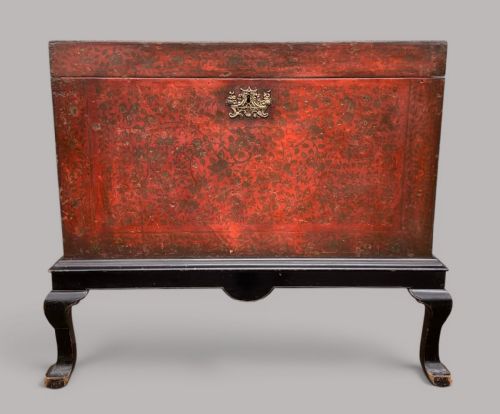
Chinese export workshops also produced lacquered marriage chests and trade trunks intended for Western markets. Local materials dictated whether the maker utilised native pine, elm or imported hardwoods.