


Painted Stained Glass
When you search for painted stained glass, you are looking at architectural panels and windows that combine leaded glass construction with surface enamel and pigment details.
Painted Stained Glass
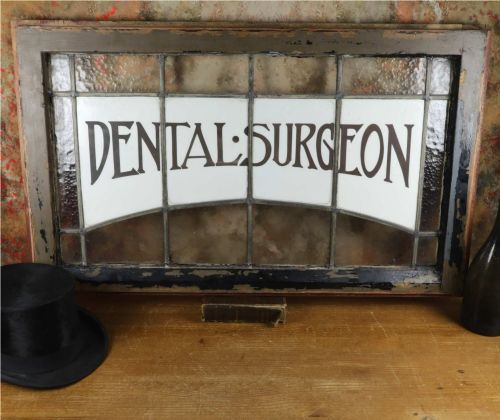
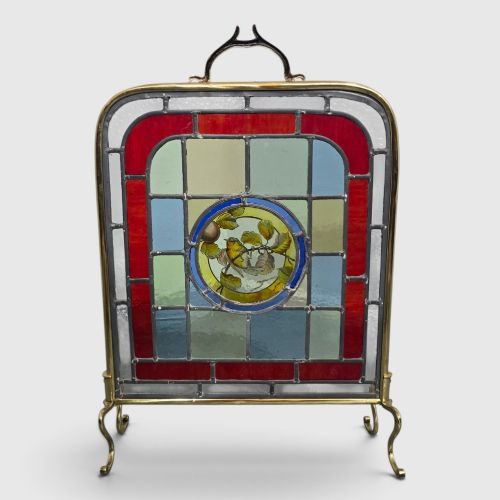
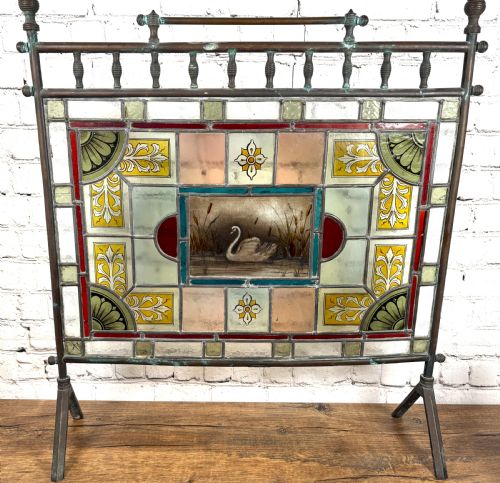
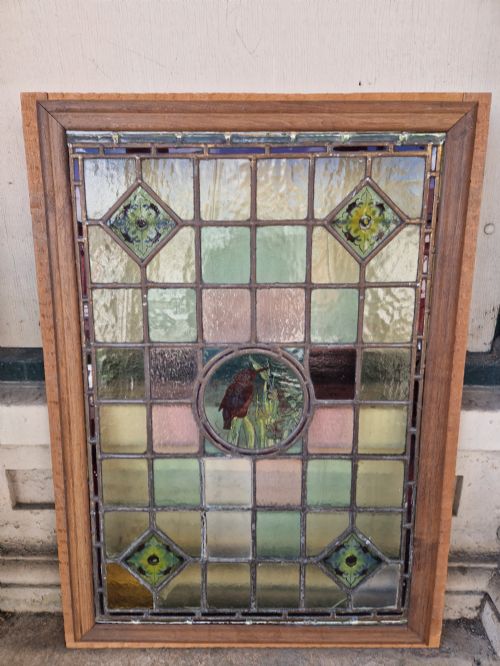
When buyers search for painted stained glass, they encounter architectural panels, windows, fire screens, and doors originating predominantly from the Victorian, Edwardian, and nineteenth-century periods. The most common forms on this page are leaded glass windows and panels featuring hand-painted pictorial centres or detailed botanical and avian motifs.
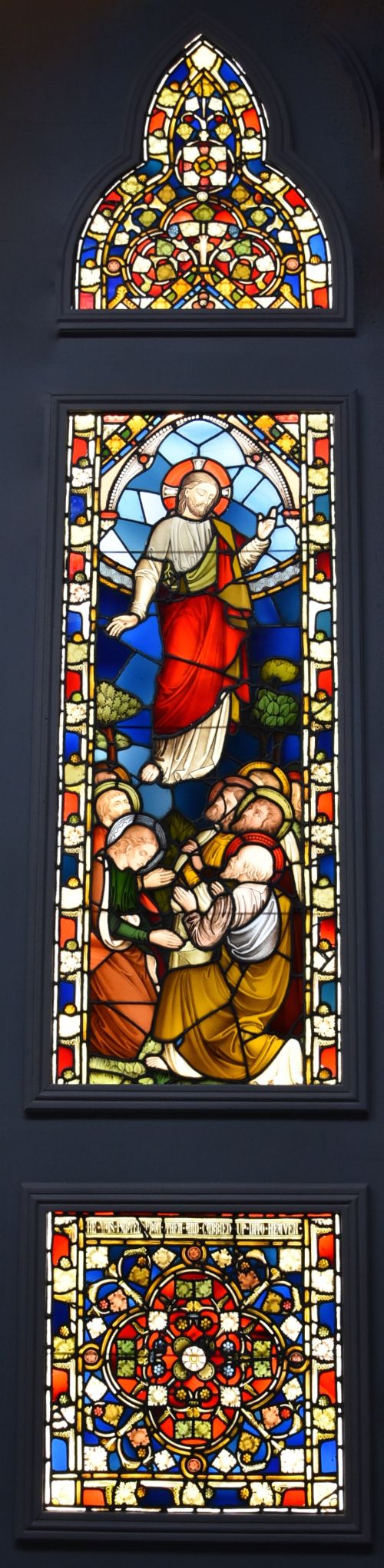
These items range from domestic shop signs and door inserts to larger ecclesiastical church windows and Gothic revival triptychs. Styles span across Arts and Crafts, Art Nouveau, Art Deco, and Gothic Revival movements, reflecting the decorative priorities of their respective eras.
Many surviving examples incorporate traditional roundels, bullseyes, and amber glass accents alongside scenic landscapes, countryside views, floral swags, and specific emblems such as the Shakespeare design or knight in armour depictions.
How they were made
The construction relies on assembling individual pieces of coloured or clear glass held together by lead cames, forming a sturdy matrix that supports the overall window or panel design. Surface details, shading, and central motifs are achieved using enamel paints applied directly to the glass and fired in a kiln to bond the pigment permanently.
Support frames and secondary structures frequently utilise timber, pine, brass, and iron to house the leaded and painted glass panels securely, whether intended for interior fire screens, architectural salvage doors, or exterior building installations.
Listings feature lead, glass, wood, and brass materials across Victorian, Edwardian, and 1900 periods.
What varies in quality
The distinction between standard and superior pieces rests upon the fineness of the brushwork within the painted pictorial elements and the complexity of the surrounding leaded glass composition. Finer panels exhibit meticulous detail in avian subjects, landscape depth, and facial expressions on figurative scenes.
Material selection also dictates overall grade, with the incorporation of specialty glass elements like bullseyes, flashed glass, and high-purity lead cames elevating the structural and visual integrity of the work.
The Painted Stained Glass Glossary
- Came
- A slender grooved strip of lead, zinc, or copper used to hold individual pieces of glass together in a window or panel. These metal strips form the geometric framework of the design.
- Bullseye
- A circular patch of glass featuring a central raised knob, formed at the centre of a hand-blown glass disc. They often appear as accent pieces within domestic and architectural leaded windows.
- Triptych
- A picture or relief carving on three panels, typically hinged together side by side. In glasswork, this describes large-scale multi-panel configurations.
- Fire Screen
- A decorative interior screen placed in front of an unused fireplace to block the hearth view. Many examples incorporate stained and painted glass panels within brass or timber frames.
- Flashing
- A manufacturing technique where a thin layer of coloured glass is fused over a thicker base of clear or different-coloured glass. This allows craftsmen to etch or paint away the top layer to reveal the contrasting colour beneath.
Painted Stained Glass: Frequently Asked Questions
How were painted stained glass windows used?
These windows and panels primarily served architectural functions in domestic homes, shops, and churches, providing privacy while admitting diffused light. They also appeared in portable items like fire screens and decorative architectural salvage doors.
Domestic installations often utilised nature themes such as birds, flowers, and country scenes to bring colour and narrative interest into everyday rooms.
How do I date a painted stained glass window?
Dating relies on stylistic clues, framing materials, and subject matter associated with periods like the Victorian era, Edwardian period, or Gothic Revival movement. Art Nouveau and Arts and Crafts motifs point toward the late nineteenth and early twentieth centuries.
Architectural context, such as the use of pine framing or specific lead cames, further helps narrow down the decade of production alongside the complexity of the enamel painting style.
Can I hang an architectural panel on a wall?
Many panels function effectively as hanging decorative art pieces when suspended in front of a light source such as a window. Proper hanging requires secure mounting brackets that support the weight of the lead and glass matrix without straining the came joints.
Wall placement away from natural light can alter the visual impact, as transmitted light highlights the painted enamel details far better than reflected room light.
What is the difference between stained glass and painted glass?
Stained glass refers to glass that has been coloured during its molten manufacture by adding metallic oxides, or pieces assembled using lead cames. Painted glass involves applying enamel pigments to the surface of the glass and firing it in a kiln to create fine details, shading, and pictorial scenes.
Many antique pieces combine both techniques, using coloured glass for the background geometry and painted enamel for central birds, figures, or floral motifs.