




Painted Snuff Box
These painted snuff box pieces are miniature works of art designed for pocket use, offering an intimate glimpse into historical decorative techniques.
Painted Snuff Box
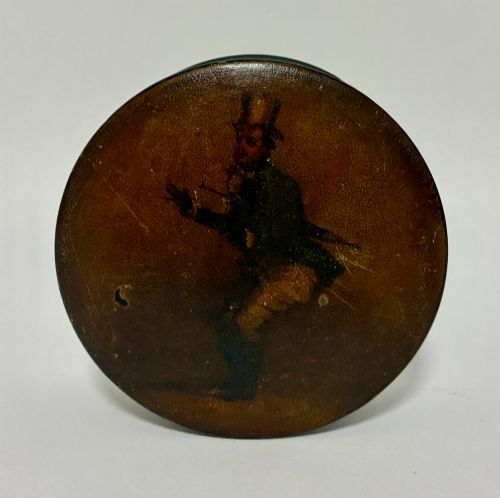
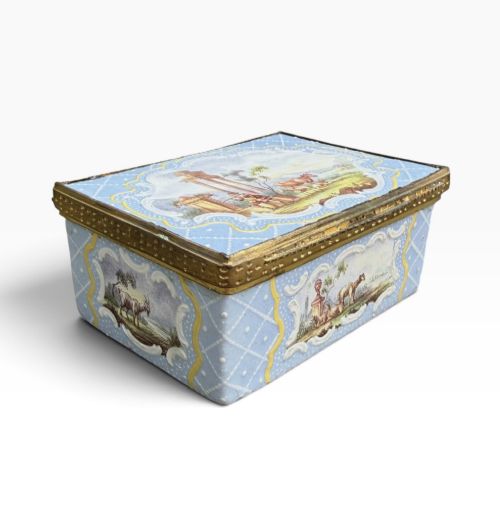
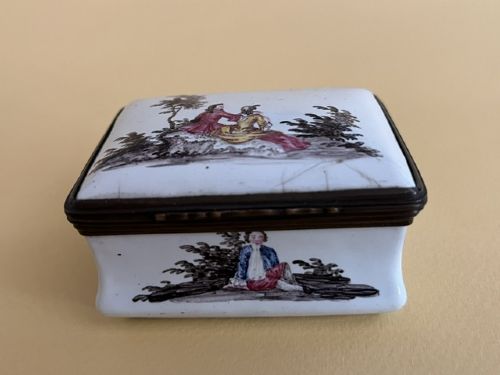
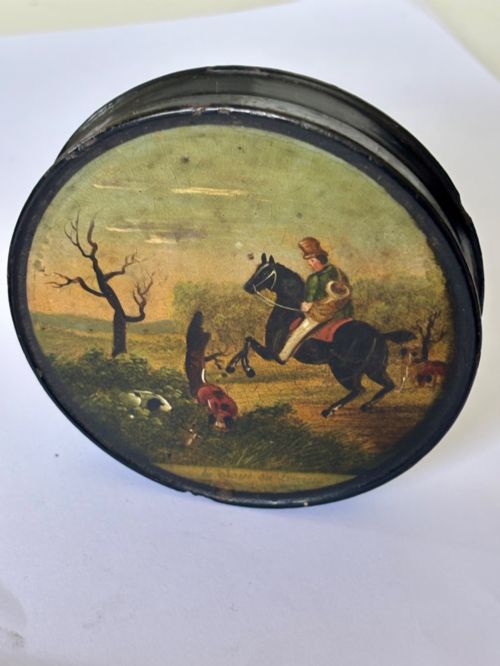
A painted snuff box is a small lidded container historically used to hold tobacco or personal items, appearing across various centuries in materials like enamel, papier-mâché and porcelain. The version most commonly encountered on this page originates from the 18th and 19th centuries, often featuring hand-painted pastoral scenes, portraits or hunting motifs.
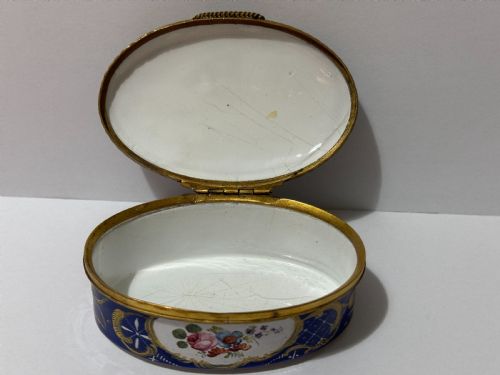
The objects span multiple styles including Georgian, Edwardian and Rococo Revival, reflecting the prevailing aesthetic tastes of their respective periods. Artisans fashioned these pieces in diverse shapes such as oval, rectangular, heart-shaped and dome forms.
Geographic origins vary significantly, with pieces hailing from English workshops in Staffordshire and Bilston, alongside continental European centres in France, Germany and Russia. Buyers frequently encounter smaller patch boxes and larger table snuff boxes alongside the standard pocket variants.
Materials and construction methods
Enamel surfaces are fused to copper or metal bases through high-temperature firing, allowing artisans to apply detailed polychrome mineral paints directly onto the glossy glaze. This technique creates a durable, luminous finish characteristic of Bilston and South Staffordshire productions.
Papier-mâché and tole ware constructions utilise compressed paper pulp or thin sheet metal, which receive multiple coats of dark lacquer or paint. Workshops then decorated these stable bases with miniature watercolours or oil paintings before sealing them with protective varnish.
Porcelain and ceramic examples involve shaped clay bodies fired and glazed, then hand-painted with ceramic pigments before a final second firing. Metal mounts in brass, silver or gilt metal frequently secure the hinges and rims of these delicate containers.
Listings feature items spanning the 17th, 18th, and 19th centuries, utilising enamel, papier-mâché, porcelain, and treen.
Distinctions in craftsmanship and execution
The standard of the painted miniature serves as a primary indicator of quality, distinguishing rapid commercial production from the work of skilled miniaturists. Superior pieces display precise brushwork, nuanced facial expressions in portraits and careful shading within landscape details.
The integration between the painted decoration and the structural housing dictates the overall refinement of the piece. Fine examples feature robust metal hinges, precise lid alignment and well-preserved internal gilt washes that complement the exterior imagery.
The choice of base material and the complexity of its preparation also separate standard items from exceptional ones. Elaborate lacquer layers on papier-mâché or deep, unblemished enamel coatings indicate careful workshop execution.
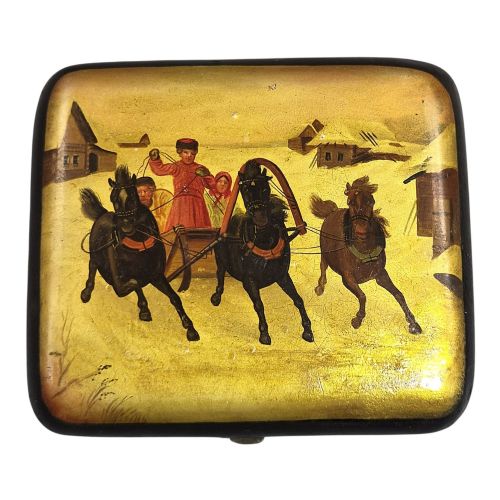
Vishnyakov Workshop·Stobwasser
The Painted Snuff Box Glossary
- Bilston enamel
- A term applied to enamel items produced in the Staffordshire region during the 18th century. These pieces typically feature copper bases with white or coloured enamel coatings and delicate painted scenes.
- Papier-mâché
- A composite material made from paper pulp or reinforced paper sheets mixed with glue and oil, pressed into moulds and dried. It forms a lightweight, rigid base for lacquer and miniature painting.
- Patch box
- A small container originally used to hold cosmetic fabric patches for the face. They share similar construction methods and painted decoration with standard snuff boxes.
- Treen
- Small domestic wooden objects made by turning or woodworking. Painted treen snuff boxes often feature whitewood bodies decorated with topographical or anecdotal scenes.
- Guilloche enamel
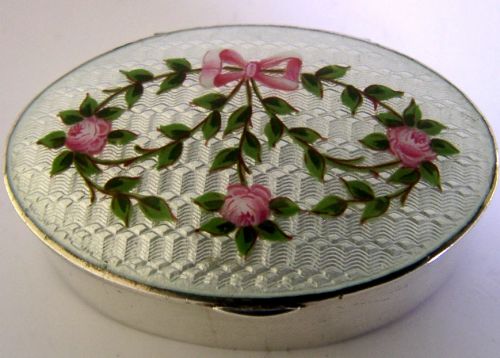
- A decorative technique where a geometric pattern is engraved onto a metal surface beneath a translucent enamel layer. It frequently appears on Edwardian and later silver boxes.
- Bonbonniere
- A small ornamental container designed to hold sweets or confectionery. These luxury objects often take sculptural forms and feature fine hand-painted details.
Painted Snuff Box: Frequently Asked Questions
What is a painted snuff box used for?
These containers were originally manufactured to hold dry powdered tobacco, which owners would inhale or take by pinch. Wealthy individuals also utilised smaller variants to store cosmetic face patches or miniature keepsakes.
Over time, many of these personal items transitioned into purely decorative cabinet pieces. Today, collectors display them as miniature canvases representing historical painting styles and fine craftsmanship.
How do I date an antique snuff box?
Dating relies heavily on material composition, manufacturing techniques and stylistic clues within the painted imagery. Enamel pieces with copper bases often point toward 18th-century Staffordshire production, while stamped metal hallmarks help pinpoint Edwardian or late Victorian dates.
The clothing and hairstyles depicted in the hand-painted miniatures also offer strong chronological indicators. Comparing the hinge construction and locking mechanisms with documented examples aids in establishing a reliable timeframe.
Are these boxes made of solid silver?
Most antique snuff boxes utilise base metals like copper, brass, tin or organic materials such as papier-mâché, horn and wood. Enamel, lacquer and paint serve as the primary decorative surfaces rather than precious solid metals.
Certain pieces incorporate silver or gilt metal mounts to reinforce the rims and hinges. Later examples from the Edwardian period occasionally feature solid silver or sterling housings combined with enamel panels.
How should I care for a painted box?
Display or store these fragile items in stable environmental conditions away from direct sunlight and excessive moisture. Ultraviolet light can fade delicate watercolours and organic pigments on papier-mâché or wood over time.
Clean surfaces gently with a soft, dry cloth without applying harsh chemical solvents, water or abrasive polishes. Handle the lids with care to prevent stress on historical metal hinges.