




Portrait Painted Box
A portrait painted box is a small lidded vessel carrying a miniature likeness, combining the intimacy of portraiture with the utility of a personal container.
Portrait Painted Box
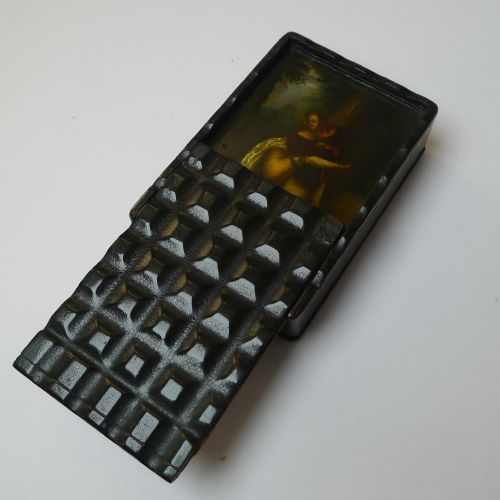
A portrait painted box usually takes the form of a snuff box, trinket box, or work box designed to hold small personal items. These pieces span several centuries, with examples appearing across the Georgian, Victorian, Edwardian, and mid-twentieth-century periods.
The decorative focus centres on hand-painted likenesses rendered in oil, watercolour, or enamel, often set into the lid of the vessel. Such items emerge from various European traditions, including French, German, Russian, and British workshops.
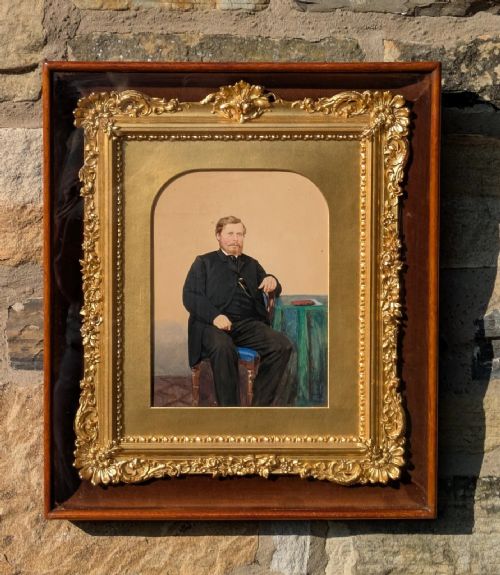
While many examples function primarily as decorative boxes or snuff containers, others incorporate specialised velvet mounts or glazed frames to showcase the artwork. The scale remains intimate, typically intended for handheld appreciation or desktop display.
Materials and construction
Papier-mâche and lacquered wood serve as common foundational materials for pocket-sized containers, shaped to form tight-fitting lids and bases. Artisans applied layers of lacquer or paint to seal the surface before executing the portrait.
Porcelain and enamel provide smooth white grounds for detailed miniature painting, often enhanced with gold leaf detailing or gilt bronze mounts. Enamel surfaces required high-temperature firing to vitrify the pigments, securing the colours against wear.
Artists utilised oil paint and watercolour on prepared supports, sometimes protecting the delicate image beneath a fitted glass cover. Timber frames and velvet linings complete the interior presentation of select display boxes.
Materials in these listings include papier-mâche, lacquer, porcelain, glass, and wood, spanning periods from the Georgian era through the mid-twentieth century.
Distinctions in craftsmanship
The material integrity of the box itself, whether papier-mâche, porcelain, or inlaid wood, indicates the level of care invested in its creation. Robust hinges, well-aligned lids, and intact lacquer or enamel surfaces elevate the standing of a piece.
Attribution to recognised makers or specific regional centres, such as Stobwasser workshops, introduces historical significance and influences the standing of an object among collectors.
Stobwasser·Samuel Rabin
The Portrait Painted Box Glossary
- Papier-mache
- A composite material made from paper pulp or reinforced paper sheets mixed with glue, moulded into shapes and lacquered. It provided a lightweight and durable body for nineteenth-century pocket boxes.
- Gilt detailing
- Application of gold leaf or powdered gold to highlight rims, hinges, and decorative borders. This finish adds a reflective quality to the edges of the box.
- Snuff box
- A small, tightly sealed container created to hold tobacco powder. These portable items often featured decorative lids designed to display miniature artwork.
- Enamel
- A glassy substance fused to a metal base through firing, providing a smooth and permanent coloured surface. It allowed portrait painters to achieve lasting brilliance.
- Work box
- A lidded container fitted for sewing implements or small valuables, often featuring decorative inlays and compartments. These larger boxes sat upon tables rather than fitting into a waistcoat pocket.
Portrait Painted Box: Frequently Asked Questions
What were portrait painted boxes used for?
These vessels originally served practical functions such as holding tobacco snuff, sewing tools, or small trinkets and jewellery. Their decorative lids allowed owners to display personal likenesses or miniature artworks in a portable format.
Over time, many of these containers transitioned into purely decorative objects, collected for the quality of their miniature painting rather than their original utility.
How do I date a portrait painted box?
Dating relies on examining the core material, the style of the portrait, and the construction methods of the box. Georgian and Victorian pieces often employ papier-mâche or turned wood, while later examples incorporate diverse media and modern frames.
Details such as hinge design, enamel composition, and signature styles help narrow the period of origin when specific documentation is absent.
Are these boxes made of papier mache or wood?
Both materials appear frequently across the surviving selection. Papier-mâche served as a primary medium for lightweight pocket containers, particularly nineteenth-century snuff boxes.
Other examples utilise solid wood, porcelain, or metal frames combined with velvet mounts and glass covers to protect the painted portrait.
How should I care for a painted box?
Keep these objects away from direct sunlight to prevent the fading of delicate watercolours or oil paints. Dust them gently with a dry, soft cloth without applying liquid cleaners or polishes.
Protect fragile surfaces like enamel and lacquer from sharp impacts, and maintain a stable indoor humidity to preserve wooden and papier-mâche structures.