


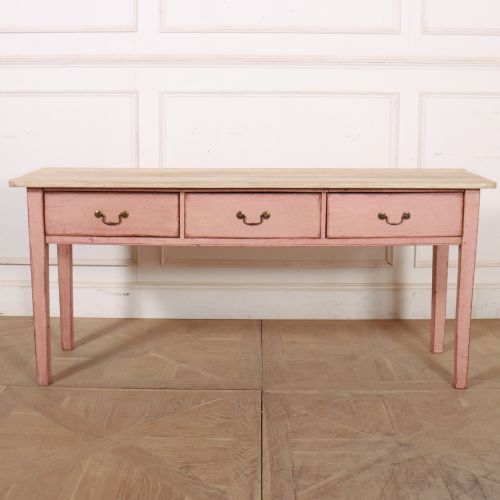


Painted Pine Prep Table
A painted pine prep table brings enduring utility and provincial charm to a room, offering a sturdy surface shaped by decades of honest domestic work.
Painted Pine Prep Table
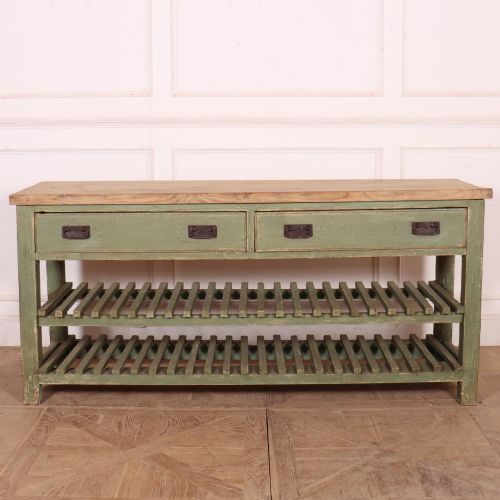
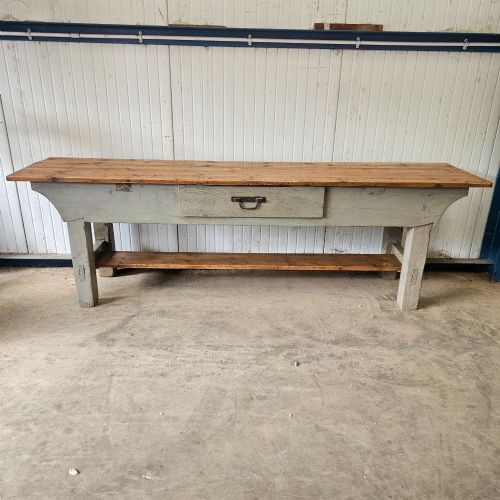
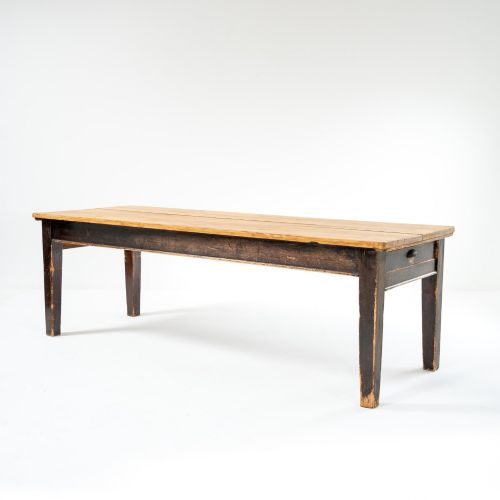
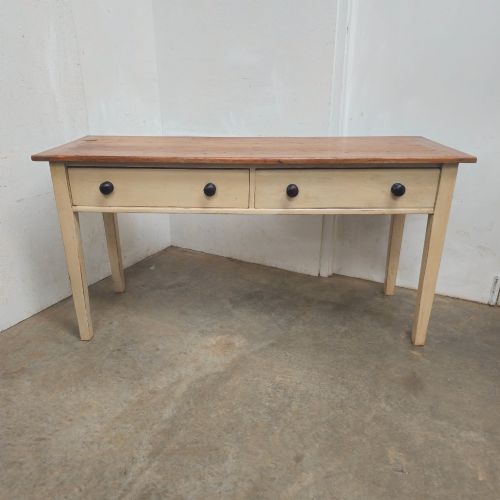
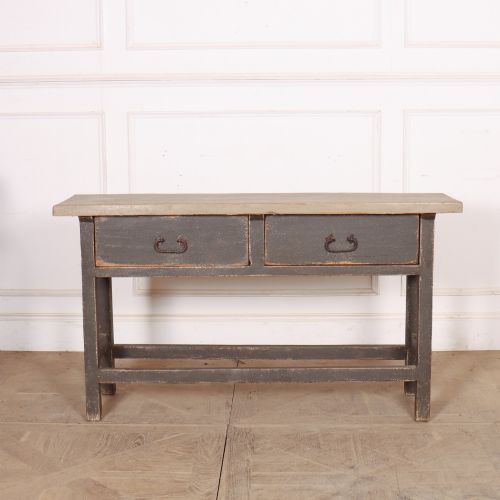
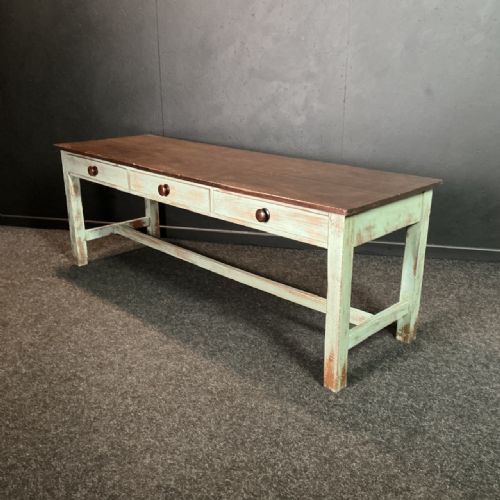
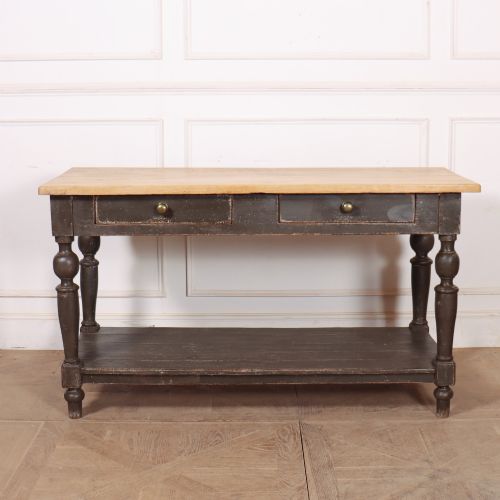
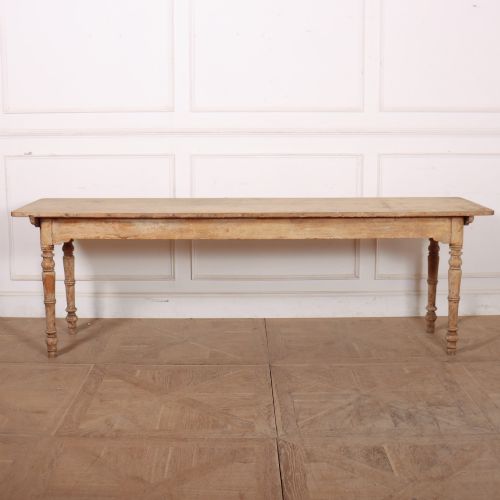
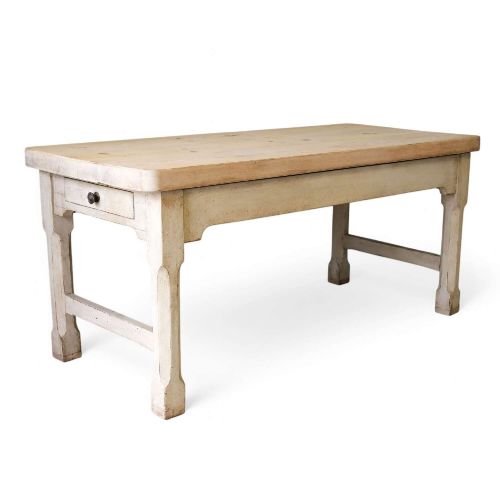
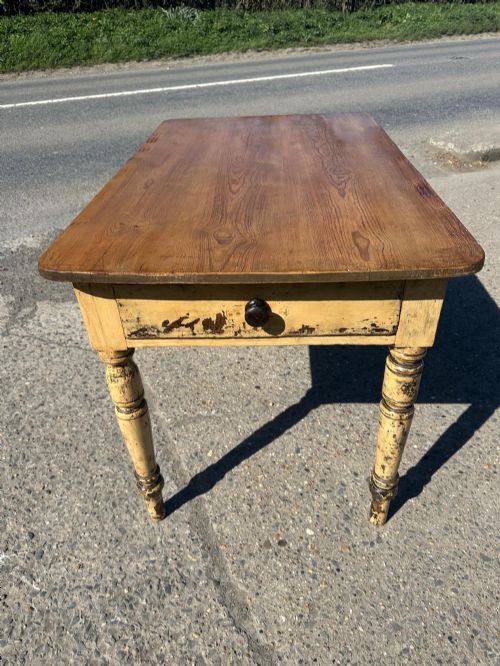
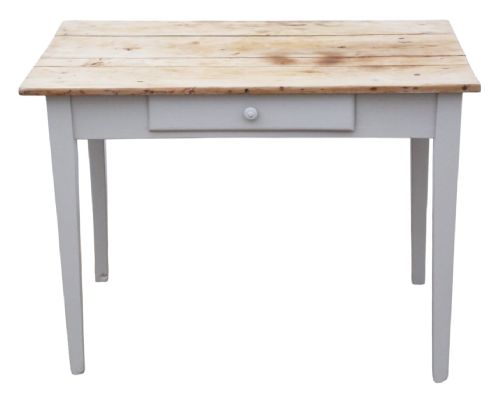
A painted pine prep table is a utilitarian workhorse of the domestic interior, historically relied upon for food preparation, baking, drapery, and daily tasks. When you search for a painted pine prep table, you encounter forms that span kitchen tables, dairy tables, bakers tables, and servers from the nineteenth and early twentieth centuries. These pieces originate from across England, France, Wales, and Scandinavia, reflecting diverse regional styles such as rustic farmhouse, country house, and provincial country.
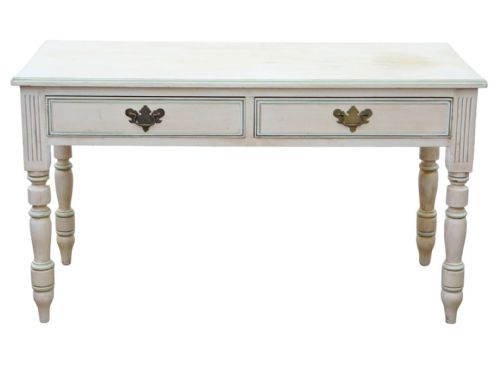
The most common versions on this page are nineteenth-century kitchen and prep tables, often constructed with scrubbed wooden tops and painted bases. You will also find specialised variants like drapers tables, harvest tables, and console tables with multiple drawers. Their proportions tend to be generous and functional, designed to anchor a kitchen, dining room, or hallway with an authentic, lived-in presence.
How they were made
These tables were constructed primarily from solid pine and timber, selected for its workability and abundance in domestic furniture making. Joinery methods relied on sturdy plank tops - sometimes utilising two-plank construction with cleated ends - and mortise and tenon frames built to withstand heavy daily use. Drawers often incorporated traditional hand-cut joints to hold up under the strains of bustling kitchens and workrooms.
Surface finishes are defining characteristics, utilising traditional mediums like Falu paint, layered old oil paints, or later applied pigments on legs and bases. Hardware elements such as iron brackets and brass details occasionally reinforced the structure or provided functional pulls for drawers and servers.
Painted Pine Prep Table Retail Price Guide 2026
Typical asking prices for painted pine prep table among the pieces listed under this phrase on Sellingantiques today, from the lower quarter to the upper quarter. They describe what is for sale here now, not the wider market.
Periods represented across the available inventory span from the nineteenth century through the 1920s, including specific dates such as 1850, 1870, 1880, 1890, 1900, 1910, and 1925.
What varies in quality
The distinction between tiers of quality rests heavily on the integrity of the original surfaces and the honesty of the timber. Tables retaining untouched layers of old paint or original coloured bases hold a different character compared to those stripped or repeatedly repainted over generations. The thickness and patina of a scrub-top pine surface also dictate its aesthetic appeal and historical depth.
Structural honesty and proportion further define superior examples. Pieces that retain their original drawer configurations, unwarped multi-plank tops, and solid joinery without excessive modern intervention represent the higher standard of surviving domestic work tables.
The Painted Pine Prep Table Glossary
- Scrub-top
- A tabletop made of bare pine that was repeatedly scrubbed clean with water and sand or stone, resulting in a pale, smooth, weathered grain. This finish is typical of kitchen and dairy tables used intensively for food preparation.
- Falu paint
- A traditional deep red or earth-toned Swedish paint derived from copper mine waste, widely utilised to protect and finish Scandinavian wooden furniture and buildings. It creates a matte, durable surface that ages with a distinct powdery texture.
- Drapers table
- An elongated, narrow table historically used in textile and drapery shops for measuring and cutting cloth. They frequently feature lower shelves or multiple drawers for storing bolts of fabric and tools.
- Harvest table
- A large dining or work table traditionally employed during seasonal farm labour and communal meals. These pieces are characterised by their expansive proportions and capacity to seat large gatherings.
- Server
- A low sideboard or table utilised for staging food and serving dishes during meals. In country houses and kitchens, they provided supplementary surface area separate from the main dining table.
Painted Pine Prep Table: Frequently Asked Questions
What is a painted pine prep table?
A painted pine prep table is a utilitarian antique work table featuring a wooden top and a painted wooden base. These tables were historically used for domestic chores like baking, food preparation, and folding textiles.
Today, they serve as characterful kitchen islands, dining tables, or console surfaces in contemporary homes, bringing historic provincial style and practical workspace to a room.
How do I care for a scrubbed pine top?
Care for a scrubbed pine top by wiping it clean with a damp cloth and mild soap when necessary. Avoid harsh chemical cleaners that can strip the natural moisture and weathered patina from the wood grain.
Applying occasional light coats of clear beeswax can help protect the surface from stains and moisture rings while preserving its historic matte appearance.
Are the paint finishes original?
Paint finishes vary significantly across these tables, with some retaining their original layers while others feature later or accumulated coats of paint. Listings often specify whether a piece retains its original painted legs, Falu paint, or displays layers of old paint applied over time.
Examining the paint closely reveals craquelure, wear patterns, and tonal variations that help distinguish early or original finishes from more recent decorative applications.
Where were these tables made?
These tables originate from various rural and domestic settings across England, France, Wales, and Scandinavia. Regional traditions heavily influenced their design, resulting in distinct styles such as French provincial, English country, and Scandinavian country.
Local timber availability and specific domestic needs, such as baking or dairy work, shaped the distinct regional forms and structural details seen in these pieces.