
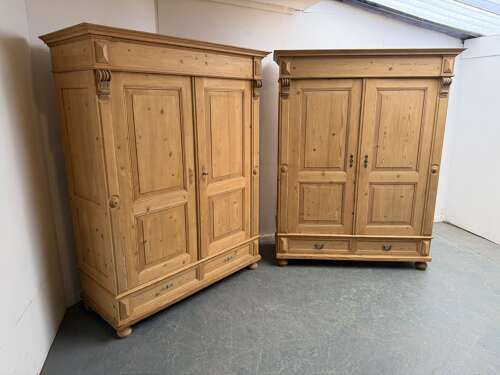
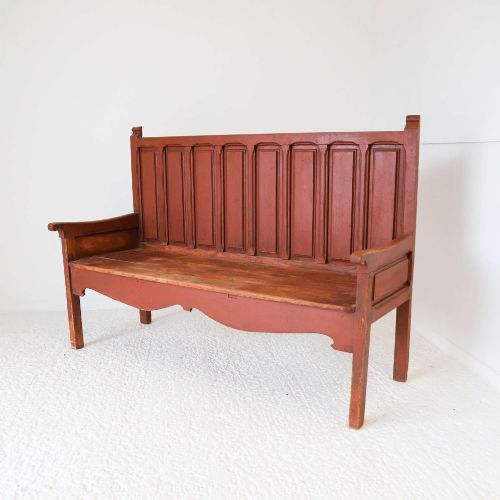
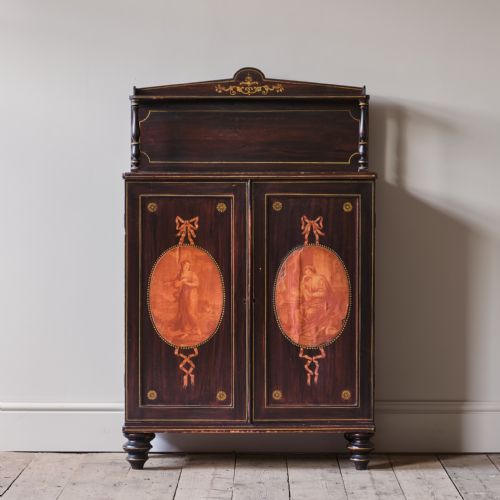
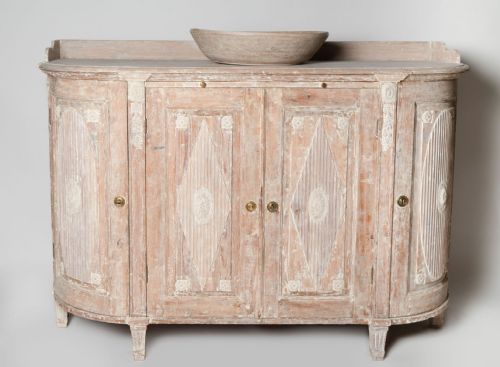


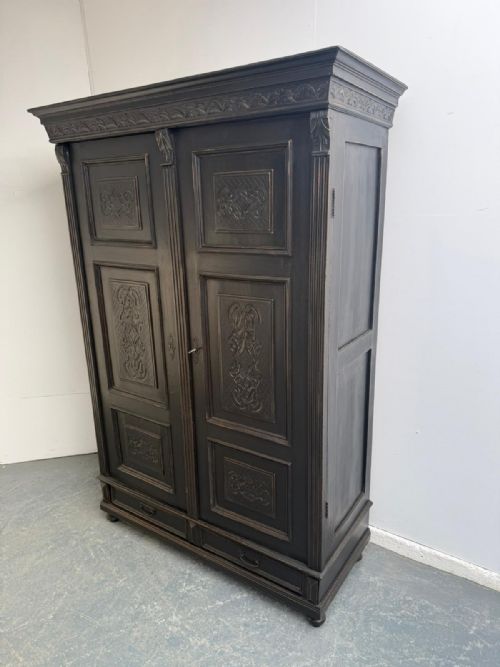
Painted Pine Panels
These painted pine panels bring enduring rustic character and historic surface charm into modern interiors.
Painted Pine Panels
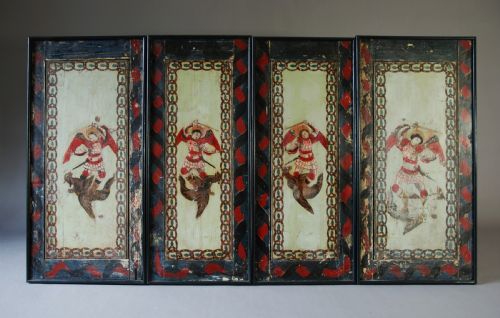
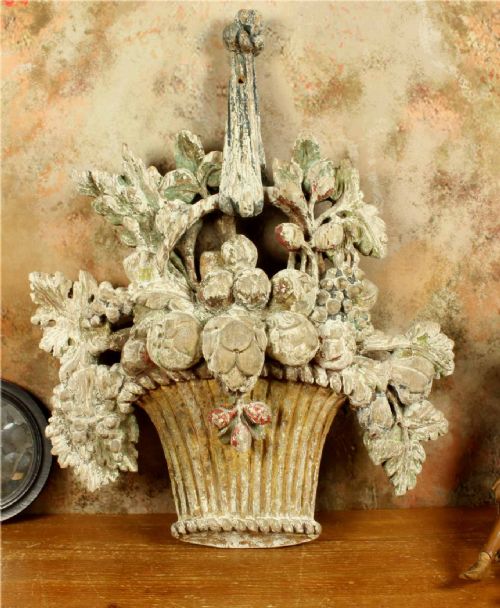
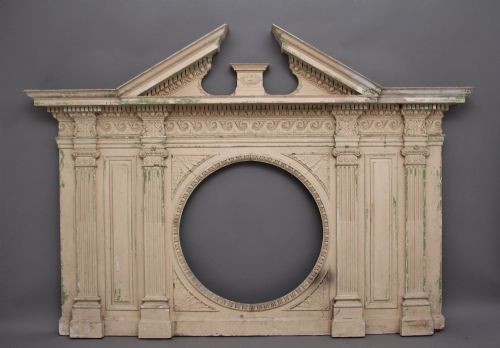
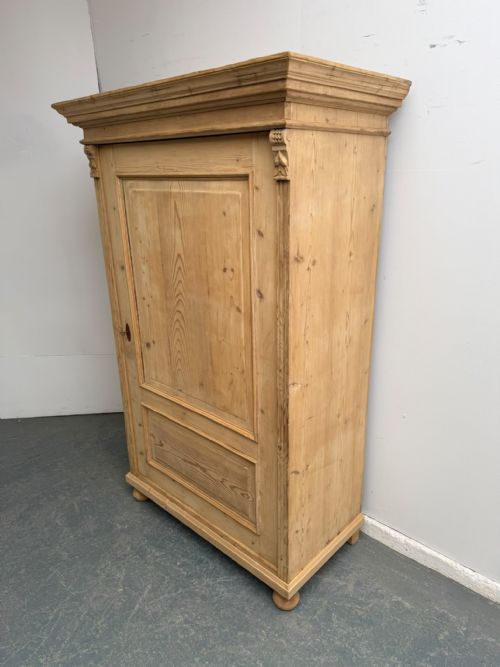
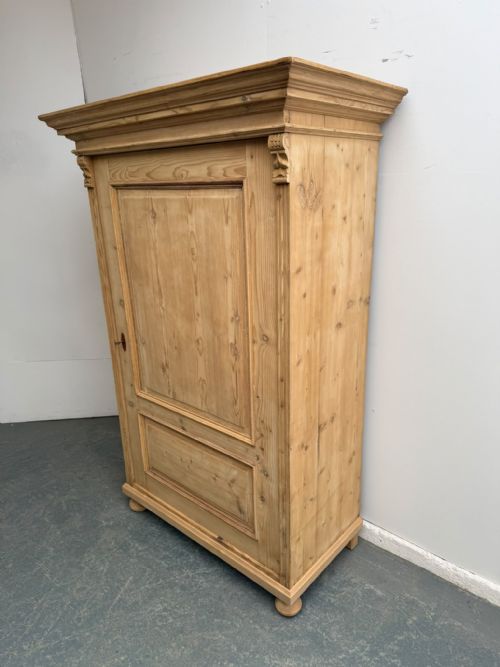
When you search for painted pine panels, you look at architectural elements and decorative boards salvaged from historic buildings or furniture. The pieces range from religious artwork and theatre scenery boards to structural partitions.
Georgian and 18th Century examples often carry naive religious or figurative artwork, while later Victorian items lean towards practical domestic surfaces and architectural salvage.
Buyers choose these items to anchor an interior with genuine period patina, utilising the weathered timber and historic pigment layers as wall art or focal points.
Materials and technique
Craftsmen built these items from sturdy pine timber, frequently enhanced with iron or brass fixings and glass inserts where doors or windows formed part of the construction.
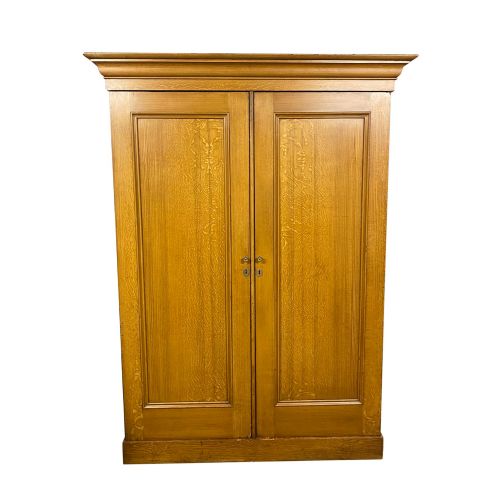
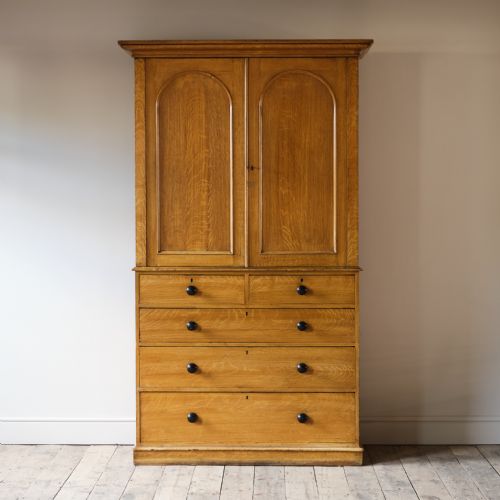
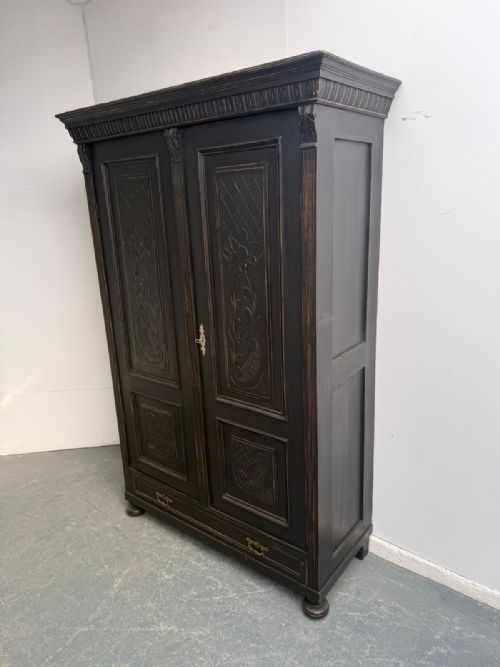
Surfaces received traditional treatments including scumble faux oak paintwork, simulated rosewood finishes, or plain leaded glass and hand-painted details.
Makers applied oil paint directly to wood panels, creating stable layers that survive across centuries through natural settling and wear.
Judging quality
The distinction between ordinary utility boards and superior examples rests entirely upon the integrity of the original paint surface and the artistry of any pictorial work.
Pieces bearing untouched period brushwork or signed artistic attribution command greater interest than those stripped down or repeatedly repainted in later decades.
The underlying timber condition matters greatly, with sound joinery and minimal structural distortion separating well-preserved specimens from heavily degraded salvage.
W Williams
The Painted Pine Panels Glossary
- Scumble paintwork
- A decorative glazing technique used to mimic expensive hardwoods like oak or rosewood over a pine base. Artisans dragged combs or rags through wet translucent paint to create grain patterns.
- Folk art
- Artistic work produced from an indigenous culture or peasant tradition, often displaying a naive perspective. These items lack formal academic training yet possess direct expressive power.
- Architectural salvage
- Building materials rescued from demolition or renovation projects for reuse in interior design. This category preserves historic elements such as doors, panels, and decorative carvings.
- Panel
- A distinct flat piece of wood framed within stiles and rails, or applied directly to a surface. In these listings, they serve as canvases, structural doors, or wall art.
- Gothic
- A medieval architectural style characterised by pointed arches and ornate tracery, which later saw revivals in nineteenth-century decorative pieces and panels.
Painted Pine Panels: Frequently Asked Questions
What are painted pine panels used for?
These boards function primarily as decorative wall art, room dividers, or architectural elements within historic and contemporary spaces. Their painted surfaces add immediate texture and colour to plain interiors.
Historically, they formed parts of larger fixtures like furniture, theatre sets, or ecclesiastical interiors before being separated into standalone decorative items.
How do I clean original painted surfaces?
Maintenance requires only gentle dusting with a soft, dry cloth to protect fragile historical paint layers. Avoid commercial solvents, abrasive pads, or excessive moisture which can lift or dissolve historic pigments.
Old pine and early paintwork benefit from stable indoor humidity levels away from direct heat sources and strong sunlight.
How can I tell the age of a painted pine panel?
Dating relies on examining the tool marks left by early saws, the composition of the underlying pine timber, and the chemical structure of the paint layers. Hand-planed boards and crackled oil paints typically indicate eighteenth or nineteenth-century origins.
Style cues, such as naive religious depictions or specific regional scumble techniques, help narrow down the production period.
Are these panels suitable for outdoor display?
Historic pine and traditional oil paints are generally unsuited to external weathering and moisture fluctuations. Exposure to rain and frost causes timber to warp and historic paint layers to flake off rapidly.
Displaying them indoors ensures the preservation of fragile nineteenth-century and earlier decorative finishes.