
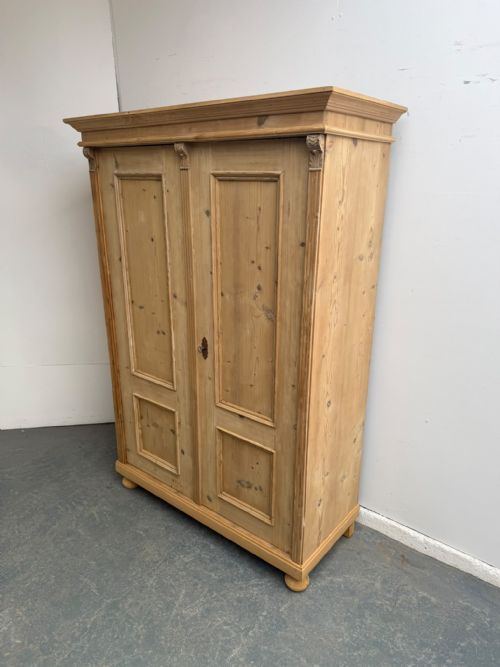

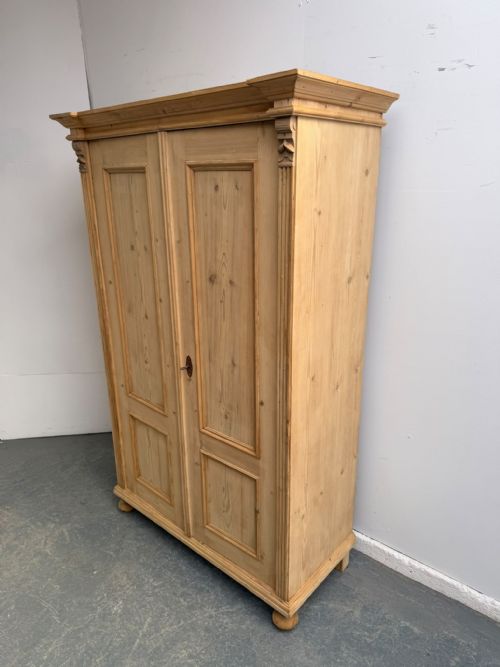
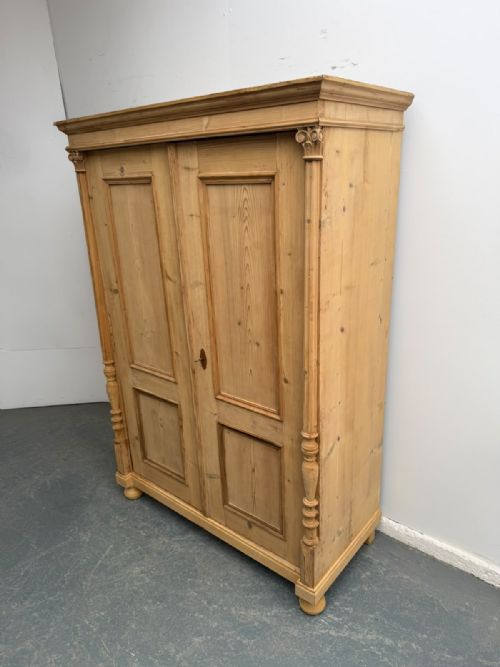
Painted Pine Housekeeper Cabinet
These painted pine housekeeper cabinet examples offer generous storage built from sturdy softwood and finished with historic colour.
Painted Pine Housekeeper Cabinet
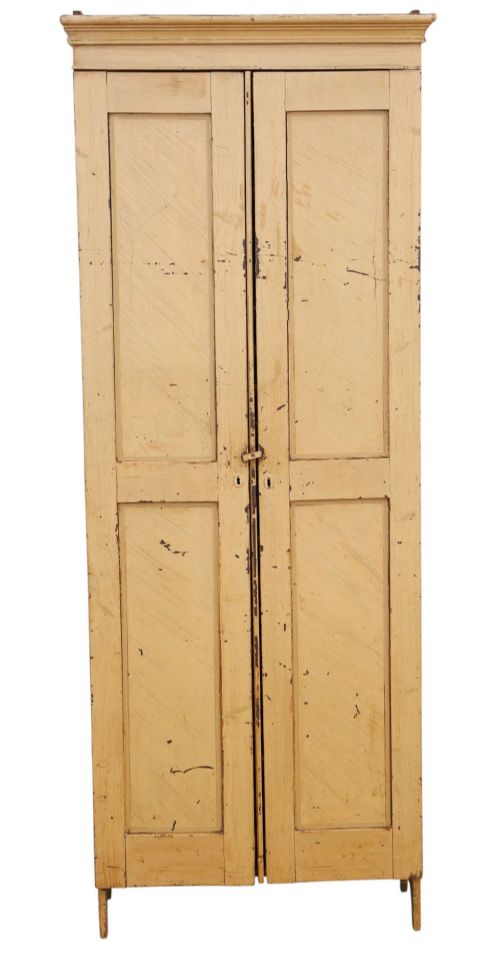
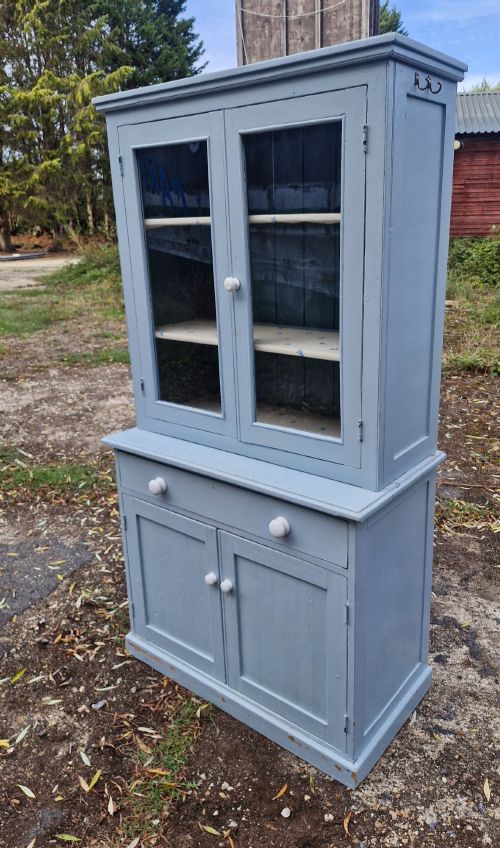
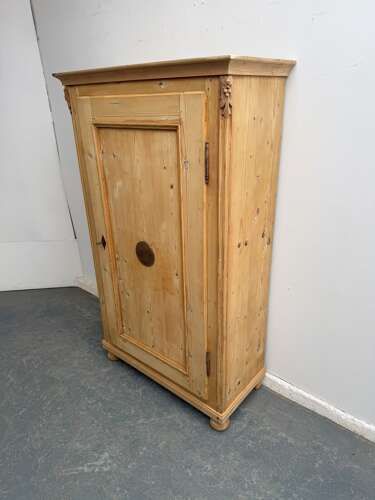
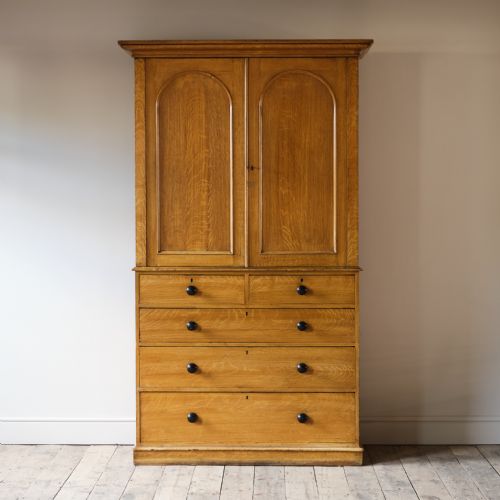
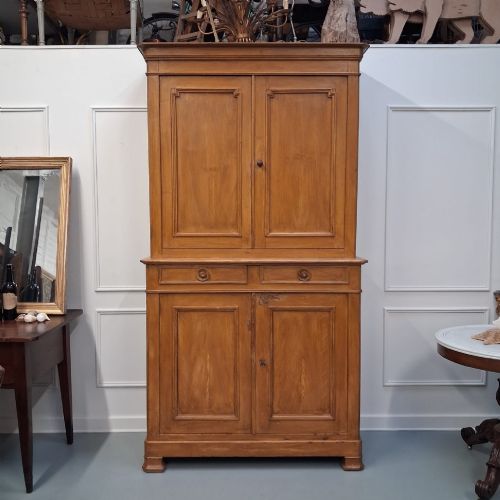
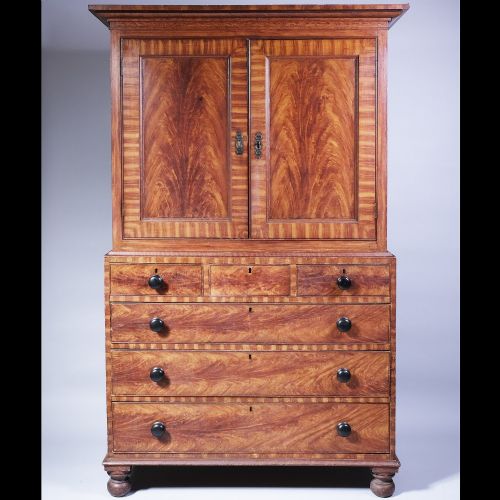
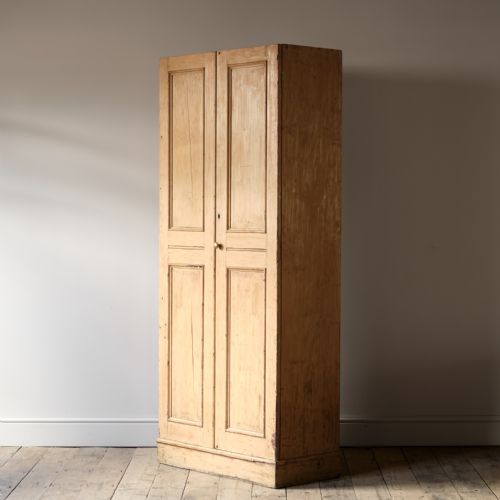
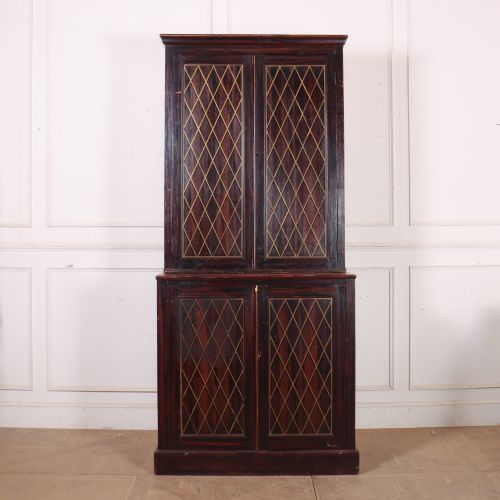
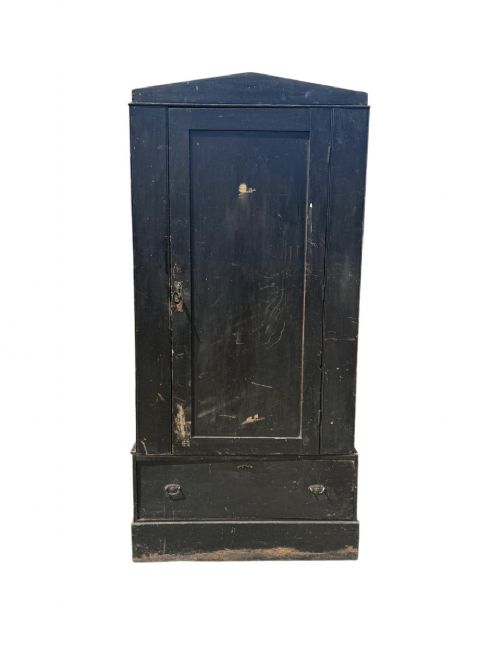
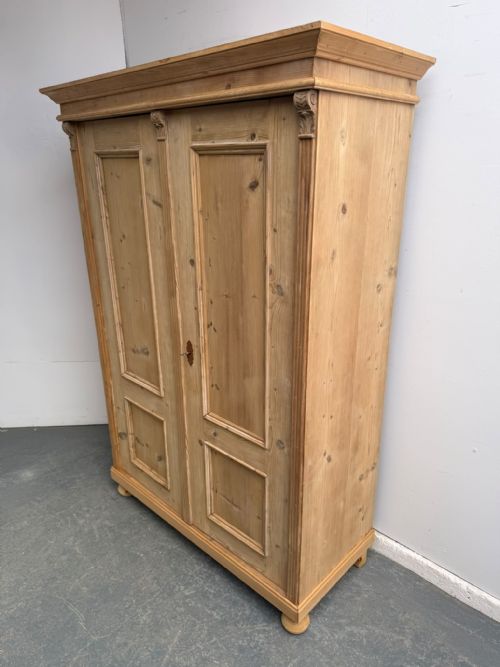
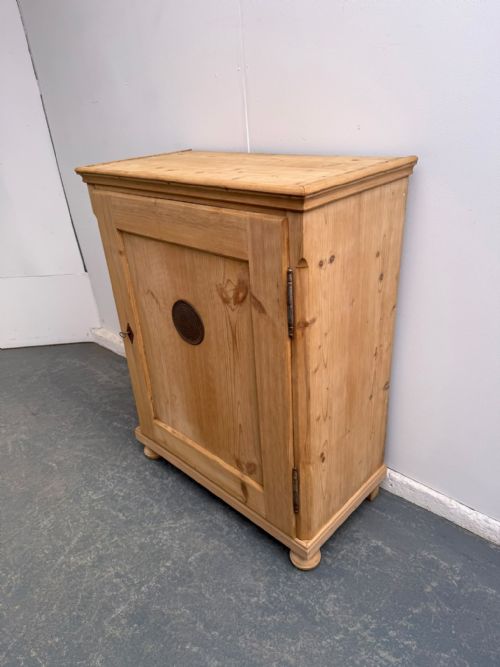
A painted pine housekeeper cabinet serves as a substantial utilitarian storage piece originating primarily from the Georgian, Victorian, and Edwardian eras. These domestic cupboards provide ample interior shelving and compartment space once relied upon for linens, provisions, and household goods. Examples on this page range from tall narrow kitchen cupboards and two-part units to wider pantry cabinets and linen presses.
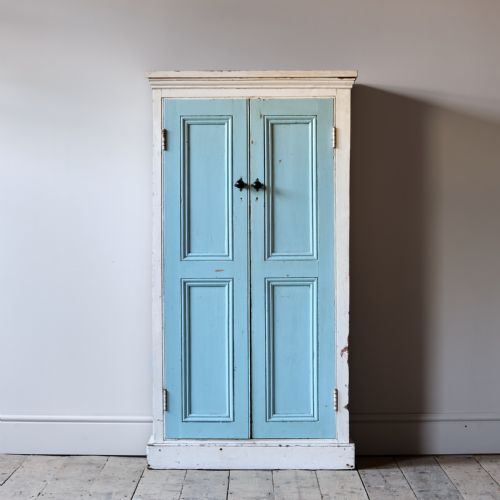
The aesthetic leans heavily toward regional rural forms, including English country, rustic farmhouse, Scandinavian country, and Gustavian styles. Many survive in their original paint finishes, whilst others display later decorative coats or scumble glazes applied over the soft timber. Buyers encounter everything from single-door variations to large four-door architectural configurations.
Functional utility dictates the design, resulting in pieces with adjustable internal shelving, vented doors, and occasional lower drawers. Their primary appeal lies in practical domestic storage combined with the weathered charm of aged painted softwood. They suit modern kitchens, boot rooms, and living spaces requiring substantial scale and character.
How they were made
Makers constructed these cabinets using sturdy pine timbers, joining panels with traditional methods suited to everyday domestic furniture. Iron and brass hardware such as hinges, latches, and pulls secure the doors and drawers while adding functional metal contrast to the timber. Surfaces received protective and decorative coats of paint, ranging from flat oil colours to layered scumble glazes.
Construction details vary from single-piece upright carcases to two-part modular units designed for easier transport through domestic hallways. Glazed panels occasionally appear in upper doors to showcase contents, whilst vented sections allow airflow for food storage. Fielded panels and simple beaded mouldings provide architectural definition without excessive ornamentation.
Listings span the Georgian, Victorian, and Edwardian eras, predominantly featuring pine, iron, and painted wood finishes.
What varies in quality
The distinction between ordinary utility items and finer examples rests upon proportion, original surface survival, and structural integrity. Cabinets retaining untouched historic paint schemes or interesting scumble work hold greater visual depth than those stripped down or repeatedly repainted. Subtle details such as fielded panel doors, arched openings, and well-executed hardware elevate the standing of an individual piece.
Proportion and scale also define the hierarchy, with unusually narrow, shallow, or exceptionally tall configurations demonstrating greater versatility in modern rooms. The quality of the underlying pine joinery, including stable door hanging and sound drawer construction, determines how well the cabinet survives daily domestic use.
The Painted Pine Housekeeper Cabinet Glossary
- Scumble paint
- A decorative translucent glaze technique dragged or mottled over a lighter base colour to simulate grain or create mottled texture. This finish appears frequently on nineteenth-century country furniture.
- Linen press
- A tall storage cupboard featuring upper sliding trays or shelves originally intended for household textiles. Lower sections often incorporate drawers for expanded storage capacity.
- Fielded panel
- A central wooden panel with bevelled edges set within a rebated frame to allow for natural timber expansion. This construction method prevents splitting as the pine responds to humidity.
- Housekeeper cabinet
- A large utilitarian storage piece designed for domestic organisation in country houses and farmhouses. They house provisions, china, or linens depending on the pantry needs.
Painted Pine Housekeeper Cabinet: Frequently Asked Questions
Where were housekeeper cabinets used?
These cabinets belonged in domestic service areas, large farmhouse kitchens, and pantries where households stored bulk provisions, tableware, and household linens. Their robust construction suited working rooms rather than formal reception spaces.
Over time, owners moved these practical pieces into general living spaces, boot rooms, and modern kitchens where their substantial storage capacity remains useful.
How do I care for painted pine?
Protect the historic paint surfaces by avoiding harsh chemical cleaners, abrasive cloths, and excessive moisture. Dust gently with a dry or slightly damp microfibre cloth.
Maintain stable indoor humidity levels to prevent the pine timber from shrinking or expanding, which can stress old joints and painted finishes.
Are these cupboards in original paint?
Many examples survive with their original painted surfaces intact, showing natural wear, patination, and historic colour layering. Other pieces received later coats of paint or scumble glazes during subsequent generations of use.
Examination of the surface reveals whether the finish represents an early layer or a more recent decorative intervention applied over stripped or previous paint.
What is a two-part cupboard?
A two-part cupboard consists of a separate upper section resting upon a lower base unit, designed to ease the transportation of large furniture pieces. This sectional construction allowed makers to build taller storage units that could still pass through narrow doorways.
When placed together, the two halves form a single tall cabinet used for comprehensive kitchen or pantry storage.