



Painted Pine Console
A painted pine console brings domestic utility and colour to a hallway or living space through time-tested timber and pigment.
Painted Pine Console
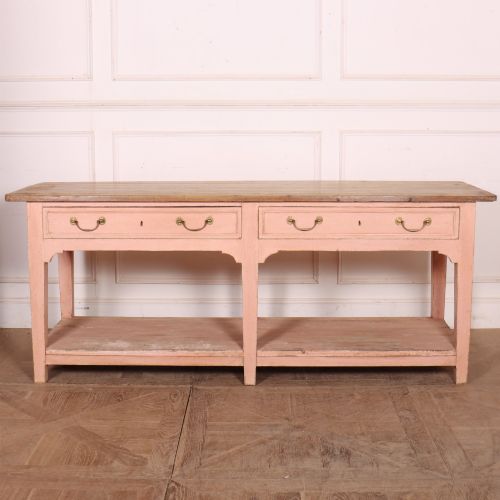
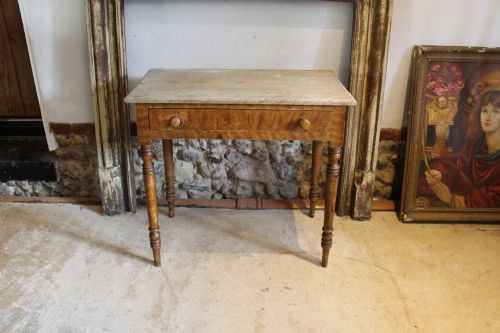
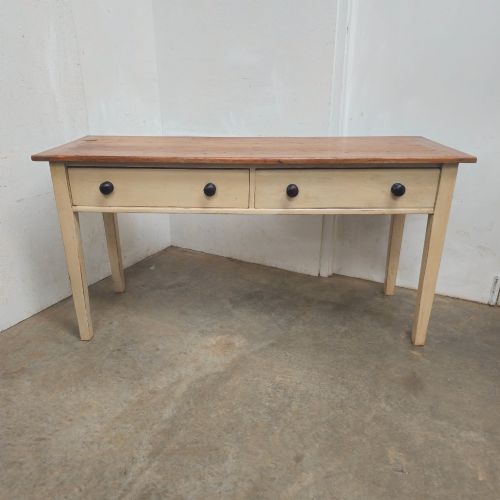
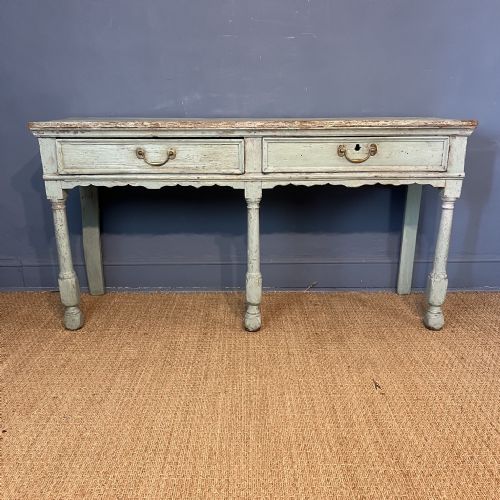
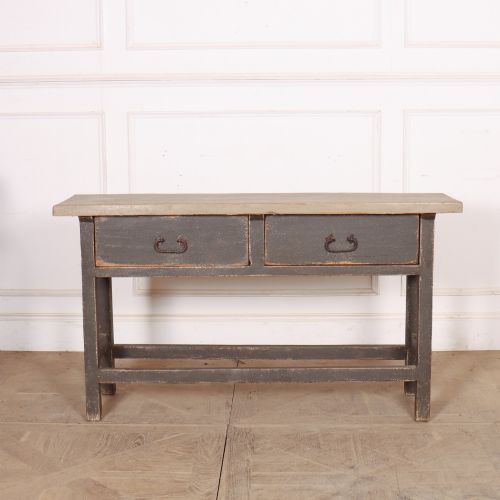
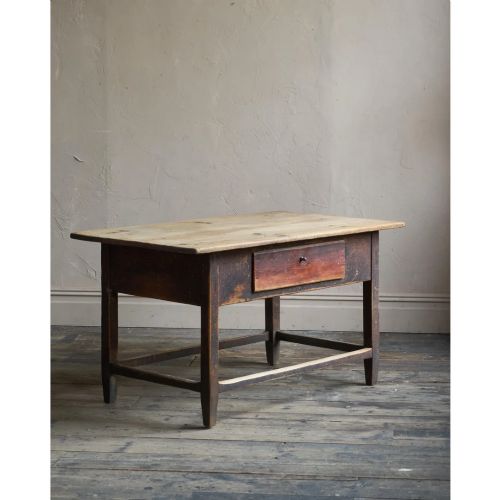
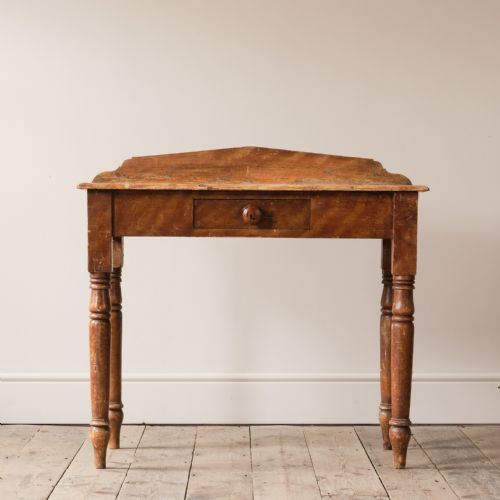
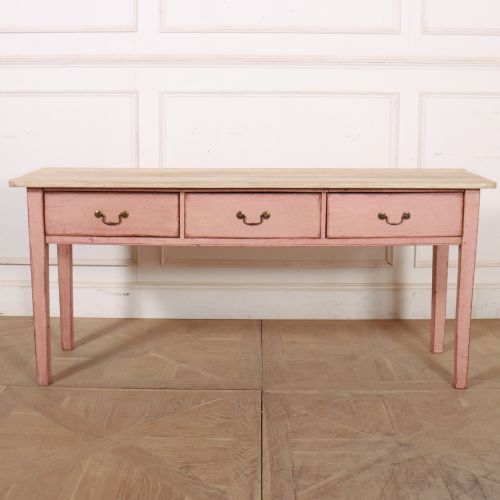
A painted pine console combines soft timber construction with applied surface colour to serve as a narrow surface for display or utility against a wall. When you search for a painted pine console, you encounter forms that range from simple side tables and server tables to dresser bases and bakers tables originating across the eighteenth, nineteenth and early twentieth centuries. English, Scottish, Welsh, French, Swedish and Italian examples appear frequently, spanning rustic farmhouse, country house and formal classical styles.
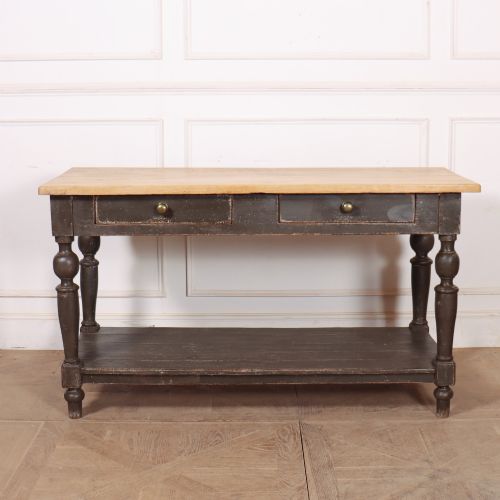
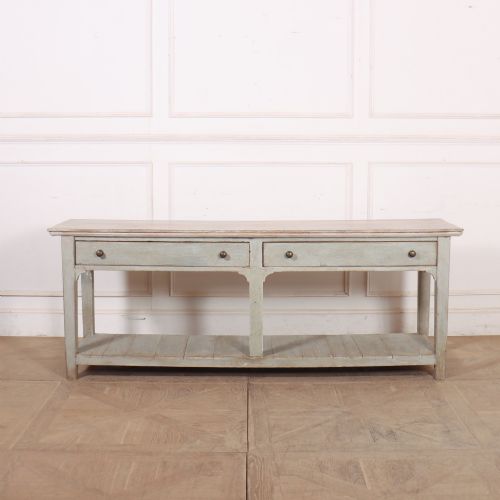
The version most likely to meet you on this page is a nineteenth-century side table or dresser base in pine, carrying either its original surface paint or later scumble finishes. These pieces often feature practical additions such as box stretchers, potboards or multiple drawers. They reflect regional domestic traditions from British and continental European workshops.
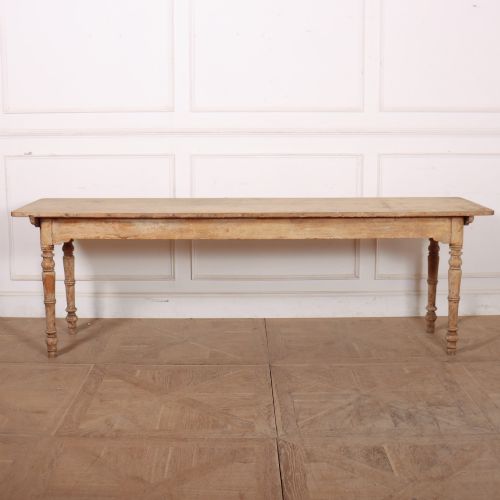
Beyond standard console tables, the selection includes specialised work tables, drapers tables and writing desks adapted to modern interior use. Their dimensions suit narrow corridors, living rooms and kitchens where deep furniture fails to fit. The structural variety spans low potboard bases to tall console heights.
How they were made
Makers constructed these consoles primarily using native pine timber, selected for its accessibility and workability in domestic furniture workshops. Carpenters joined panels and frames using traditional methods appropriate for utility furniture intended for heavy daily use in farmhouses, dairies and kitchens.
Surface decoration relied on paint, applied either as a protective layer or decorative finish over the bare wood. Over the centuries, workers utilised oil-based paints, scumble glazes and milk paints, frequently layering colours or applying decorative techniques to mimic richer materials or brighten modest interiors.
Bakers and florists left flour dust and stray petals deep within the grain of these work tables long before they reached the hallway.
What varies in quality
The integrity of the surface finish dictates much of the distinction between examples, with original undisturbed paint commanding greater interest than later repainting. The interaction between wear patterns, age and the retention of early pigment layers reveals the history of each piece.
Proportional harmony and structural honesty separate simpler utilitarian items from more resolved vernacular designs. Tables retaining original hardware, uncompromised timber thickness and balanced stretcher arrangements demonstrate superior workshop origin.
The Painted Pine Console Glossary
- Console table
- A table designed to stand against a wall, often fixed or supported by brackets, utilised for display or serving. These pieces typically feature a shallow depth relative to their length.
- Scumble
- A decorative painting technique involving a translucent layer of darker colour dragged or stippled over a lighter base coat. This method creates textured, mottled effects resembling aged timber or grain.
- Potboard
- An open slatted lower shelf fitted between the legs of a dresser base or console, originally intended for storing heavy pots and utensils. It provides structural stability to the lower frame.
- Box stretcher
- Interconnecting rails near the base of a table joining all four legs to increase rigidity. These structural elements frequently double as footrests in working kitchen or baking tables.
- Scrub-top
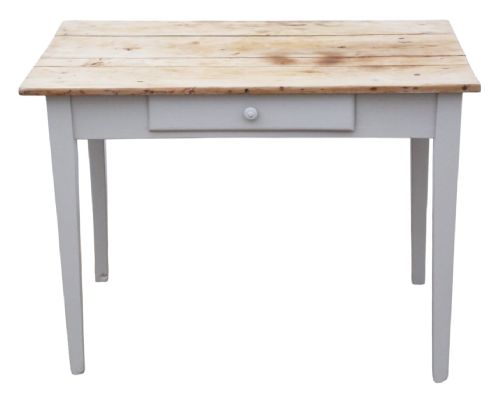
- An unpainted wooden tabletop designed to be vigorously scoured with water and sand to maintain cleanliness. These tops contrast with painted skirts and legs.
Painted Pine Console: Frequently Asked Questions
What periods do these consoles date from?
The pieces span from the early eighteenth century through the Victorian era up to the early twentieth century. Most examples date from the nineteenth century, reflecting the survival rate of vernacular domestic furniture.
Earlier eighteenth-century pieces display Georgian or Queen Anne influences, while later items extend into the nineteen-twenties with industrial or utilitarian workshop characteristics.
Where were these tables made?
Origin locations include England, Scotland, Wales, France, Sweden and Italy. Regional variations appear in the joinery methods, paint colours and proportions.
Continental pieces, particularly from Sweden and France, often exhibit distinct pastel or scraped paint finishes alongside specialised forms like bakers tables and drapers tables.
How do I care for original paint?
Preserving historic paint surfaces requires avoiding harsh chemical cleaners, modern solvents and excessive moisture during routine maintenance. Gentle dusting with a dry, soft cloth protects the underlying pigment.
Placement away from direct sunlight and dramatic temperature fluctuations prevents the paint and timber from drying out, cracking or lifting over time.
How were these tables used originally?
Many served practical roles in domestic work spaces, functioning as kitchen prep tables, dairy tables, baking surfaces or workshop benches. Others acted as serving tables in dining rooms or hallway stands for household items.
Their sturdy pine construction and functional additions like drawers, potboards or lower shelves supported heavy daily domestic labour before entering the modern decorative market.