

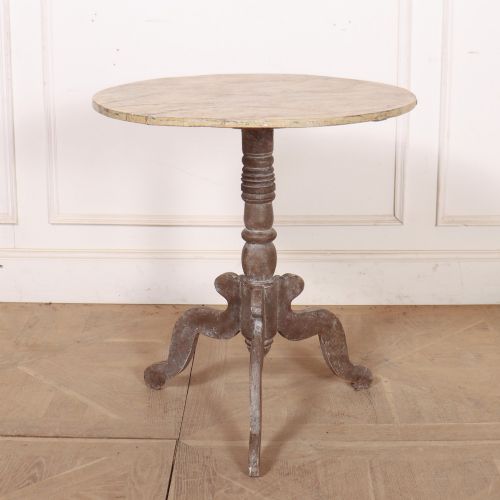
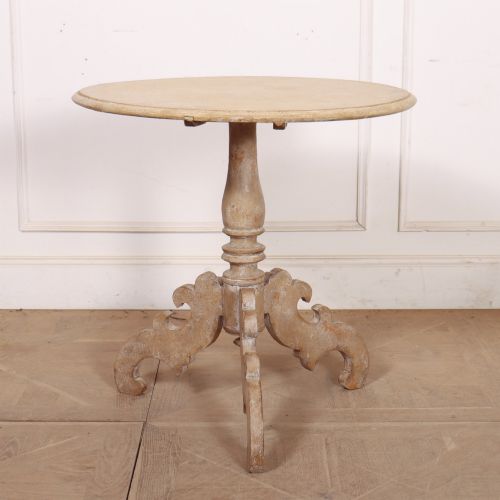
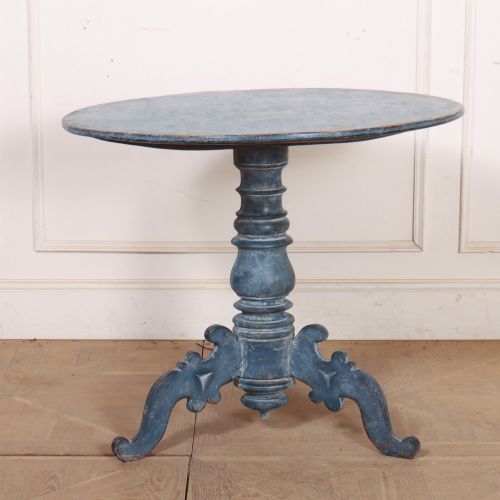
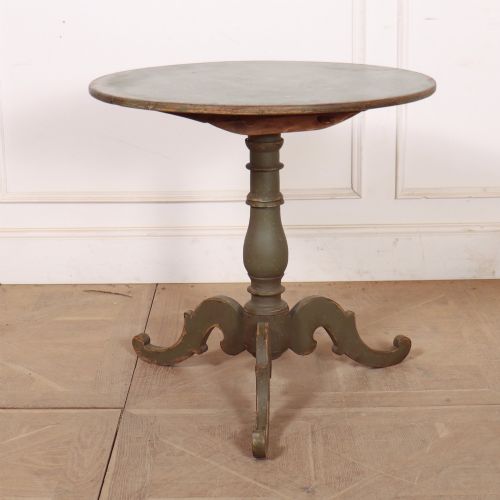
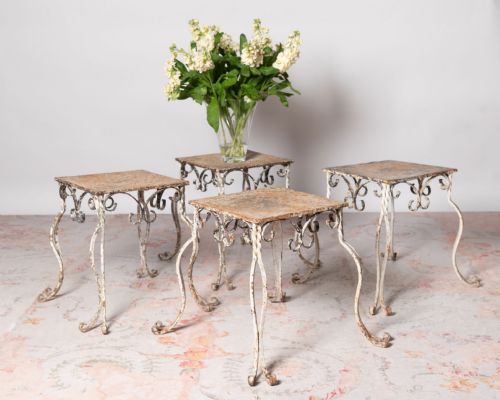
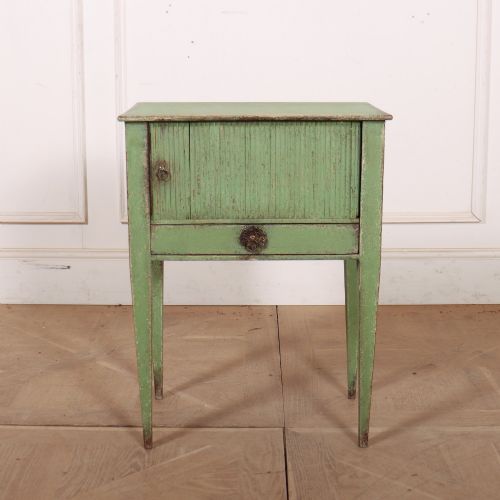
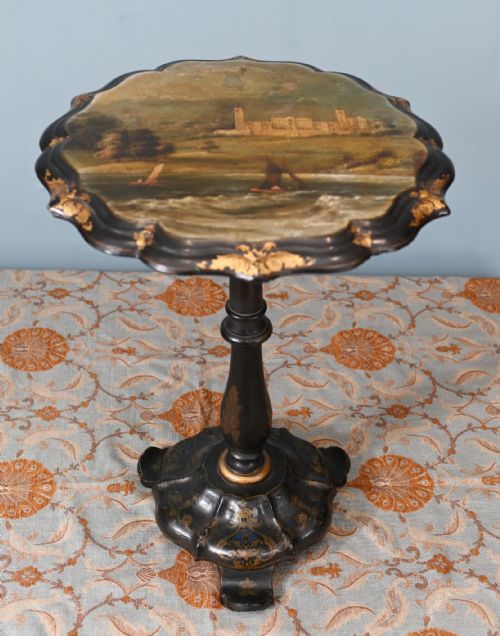
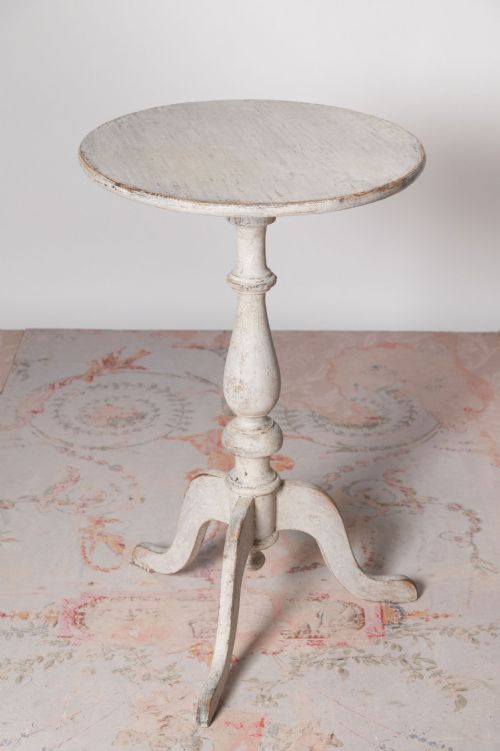

Painted Pedestal Side Table
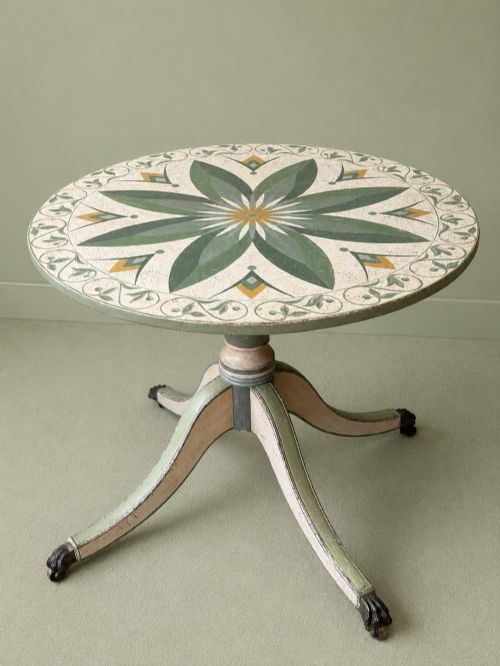
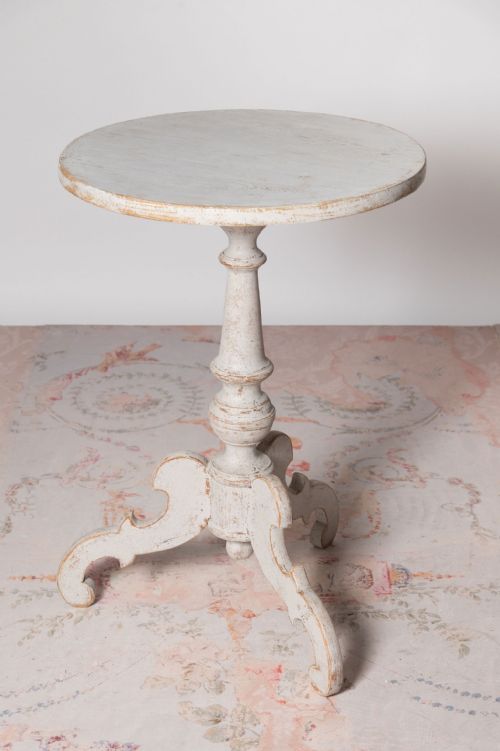
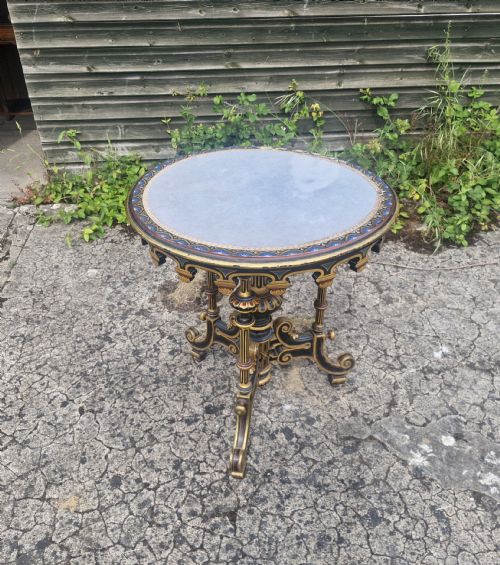
A painted pedestal side table brings functional surface space and decorative painted finish to a room, drawing the eye with its raised central support.
Painted Pedestal Side Table
A painted pedestal side table combines a central column or tripod base with a compact surface, designed to sit beside seating or beds. When searching for a painted pedestal side table, buyers frequently encounter 19th Century and Victorian examples alongside Swedish country pieces.
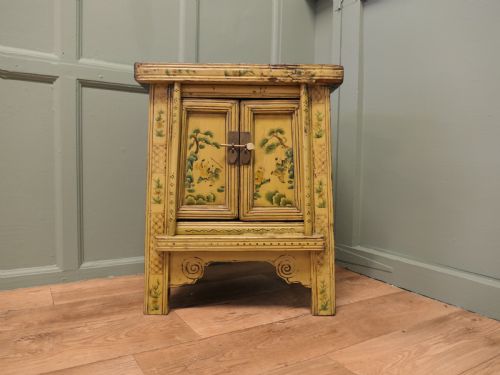
The form encompasses various functional types including lamp tables, tilt-top tables, and occasional tables. Many pieces feature decorative painted surfaces, ranging from Chinoiserie decoration to Scandinavian country finishes.
Origins span across Europe and beyond, with Swedish, French, and Italian examples appearing alongside British Victorian pieces. These tables serve as versatile accents in traditional and contemporary interiors alike.
How they were made
Construction relies primarily on wood, with pine, mahogany, and satinwood forming the structural bases of these tables. Artisans often applied gesso layers to prepare wooden surfaces for subsequent painting and decorative schemes.
Surface decoration involves hand-applied paint, lacquer, and intricate ink work, sometimes complemented by gilt details. Certain French and Italian examples incorporate inset marble tops secured to wooden pedestal frames.
Painted Pedestal Side Table Retail Price Guide 2026
Typical asking prices for painted pedestal side table among the pieces listed under this phrase on Sellingantiques today, from the lower quarter to the upper quarter. They describe what is for sale here now, not the wider market.
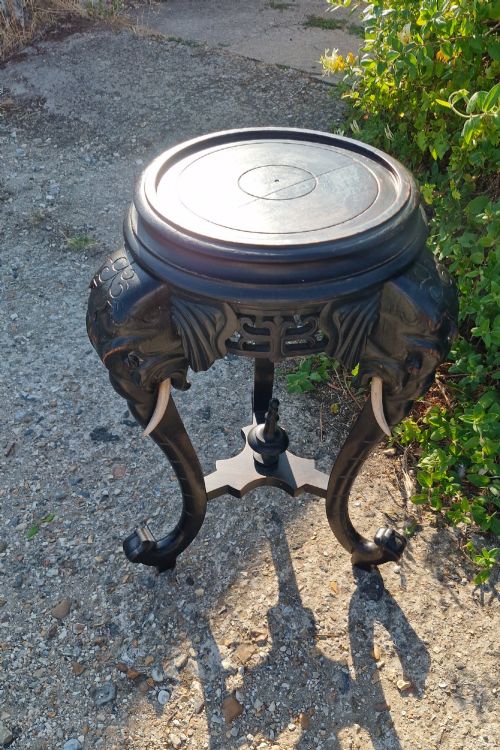
Several tables come with painted wooden tusks, offering an unexpected wildlife element to your occasional furniture.
What varies in quality
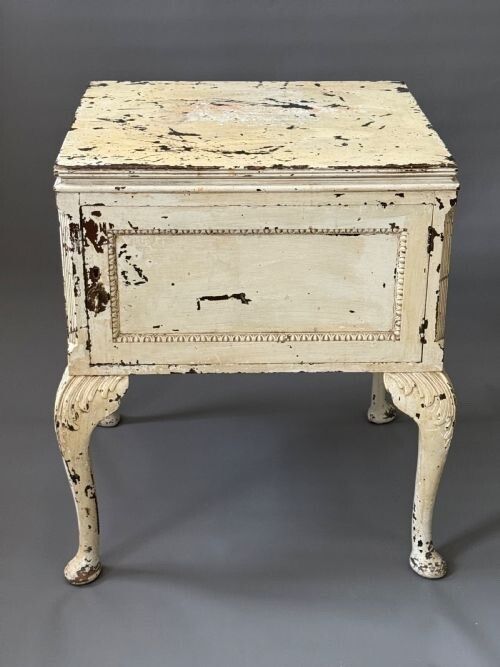
The distinction between tiers of quality rests upon the execution of the painted decoration and the integrity of the timber beneath. Original painted finishes demonstrate superior artistic skill compared to later decorative interventions.
Stability in the central pedestal and tripod or column base determines structural merit. Refined carving on the wooden supports and well-fitted marble inserts elevate the standing of an individual table.
The Painted Pedestal Side Table Glossary
- Pedestal
- A single central support or column that holds up the table top. This construction allows for legroom around the base.
- Tilt top
- A table top mounted on a hinge mechanism that folds flat when not in use. This design allowed tables to be stored against walls in period interiors.
- Gesso
- A plaster mixture applied to wood as a base for paint or gilding. It provides a smooth surface for detailed decoration.
- Gueridon
- A small French table supported by a column or figures. They frequently feature marble tops and painted wooden bases.
- Chinoiserie
- European imitation of Chinese artistic motifs, often rendered in paint and lacquer. It appears on cabinets and occasional tables from the nineteenth century.
Painted Pedestal Side Table: Frequently Asked Questions
Where should I place a pedestal table?
These compact tables suit corners, hallways, and beside armchairs or beds where surface space is limited. Their central column design allows them to fit into tight spots without bulky legs obstructing the floor.
They function well as lamp stands, plant pedestals, or casual resting places for books and drinks. Their decorative painted surfaces also allow them to stand alone as visual accents in a room.
How do I care for a painted wood surface?
Dust regularly with a soft, dry cloth to prevent dirt accumulation on the painted or lacquered finish. Avoid using chemical sprays, abrasive cleaners, or excess water which can damage historic paint.
Keep tables away from direct sunlight and strong heat sources to prevent the wood beneath from expanding and the paint from cracking. Using coasters protects the surface from moisture rings.
What is the difference between a lamp table and a centre table?
Lamp tables are generally smaller, designed to sit against walls or beside seating to hold lighting and small items. Their compact footprints suit peripheral spaces.
Centre tables stand larger and are traditionally positioned in the middle of a room as a focal point. They offer more expansive surfaces and often feature more elaborate decoration visible from all sides.
How can I date a painted table?
Dating relies on examining the wood species, construction methods, and the style of the paintwork. Examining the underside and joinery reveals tool marks and construction methods consistent with specific centuries.
Paint analysis helps distinguish original decoration from later additions. Comparing the decorative motifs, such as Regency or Victorian styling, provides further chronological context.