


Painted Papier Mache Table
A painted papier mache table brings decorative artistry and rich colour into a room, combining moulded pulp with intricate brushwork.
Painted Papier Mache Table
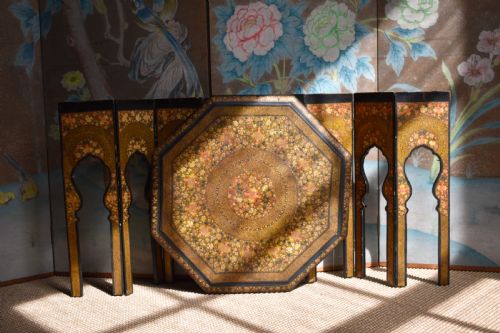
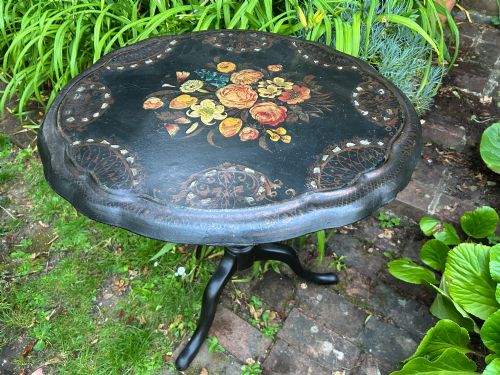
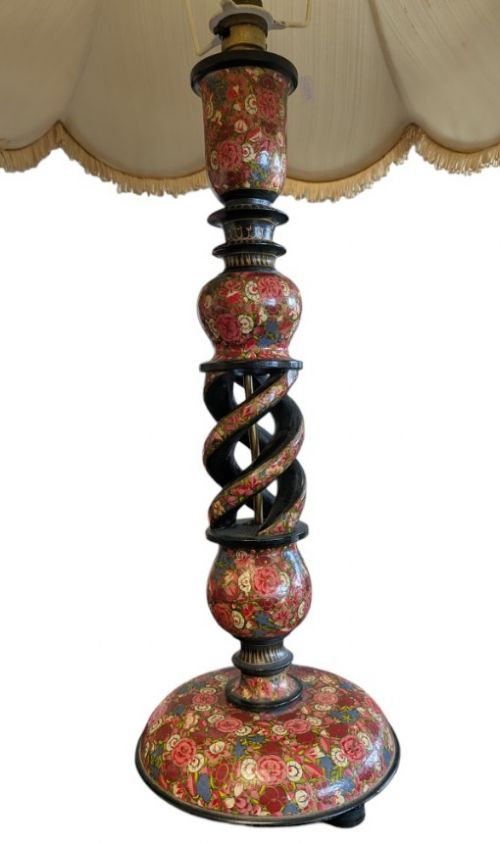
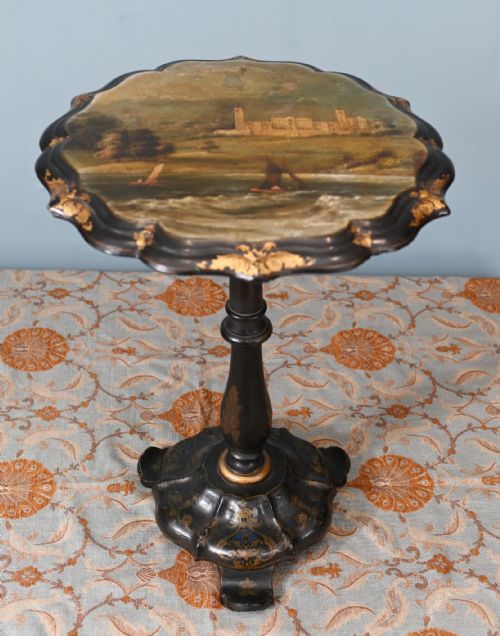
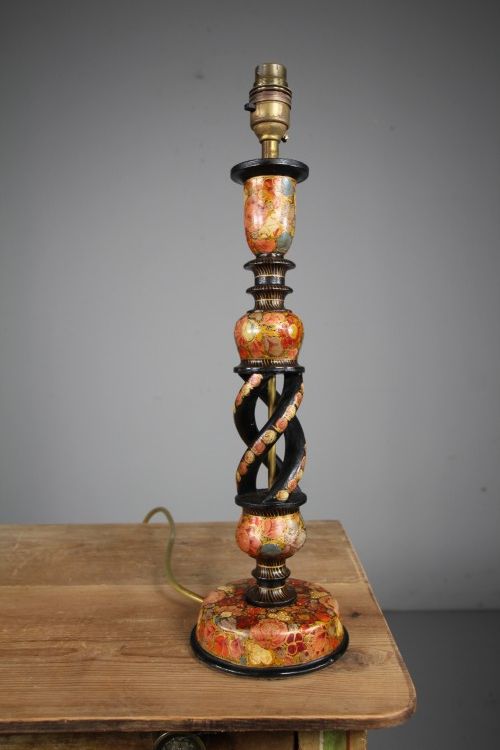
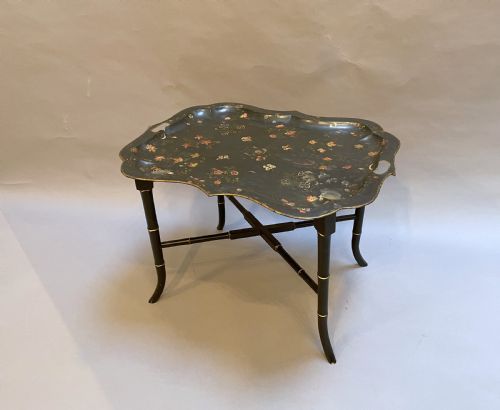
A painted papier mache table is a versatile surface for a sitting room or study, taking forms such as occasional tables, tilt-top tables, side tables, and tray tables set on stands. These pieces emerge from periods spanning the Georgian, Regency, and Victorian eras, alongside early twentieth-century Kashmiri examples.
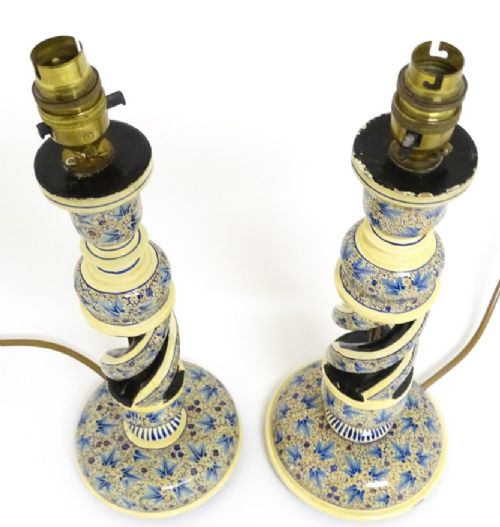
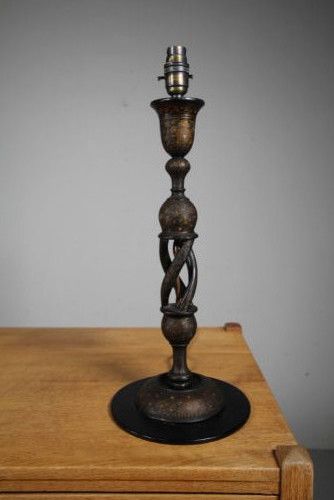
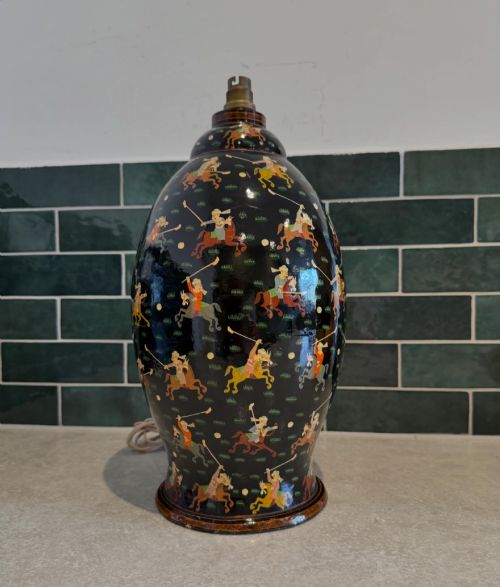
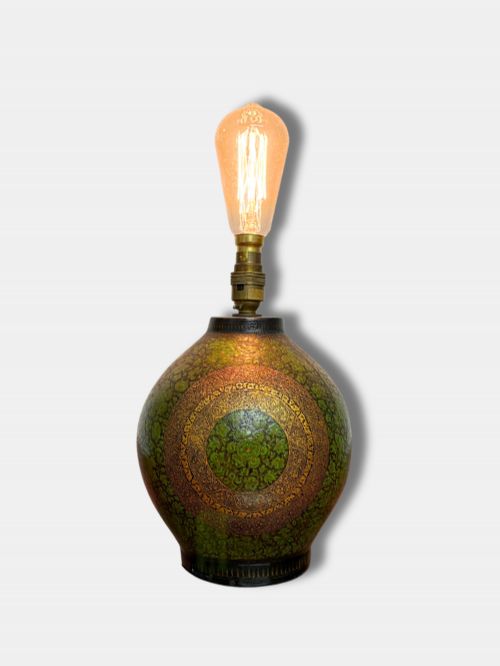
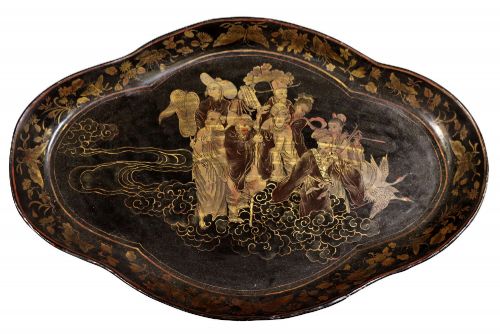
The buyer searching for a painted papier mache table will encounter items shaped from pulp and wood, often decorated with Chinoiserie motifs, floral patterns, or gilt highlights. Alongside standard tables, the selection includes related forms like serving trays, wine tables, and table lamps that share the same material heritage.
How they were made
Craftsmen built these items using layers of paper pulp mixed with glue and resin, pressed into moulds and left to dry into a rigid, durable base. Artisans then applied multiple coats of lacquer to seal the surface before executing detailed hand-painted designs.
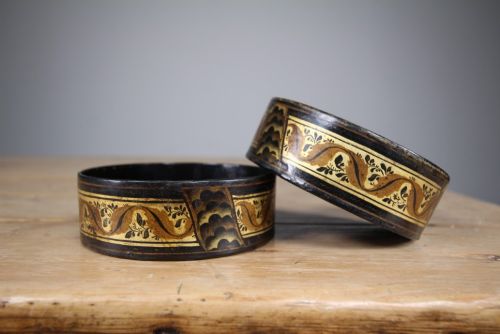
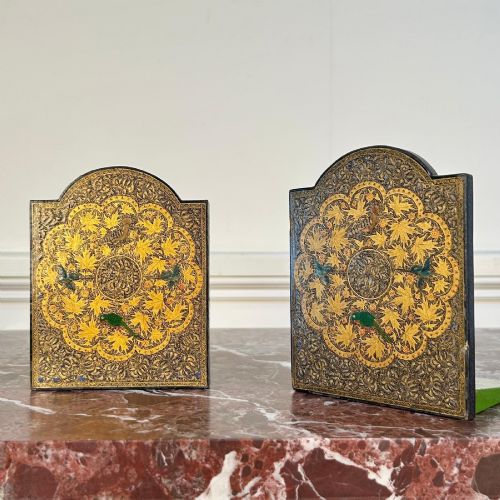
Makers enriched the finished surfaces using oil paint, gilt, gold leaf, and occasionally inlaid mother of pearl to create depth and shimmer. Supporting structures often combined wood, brass, or iron to hold the weight of the lacquered top.
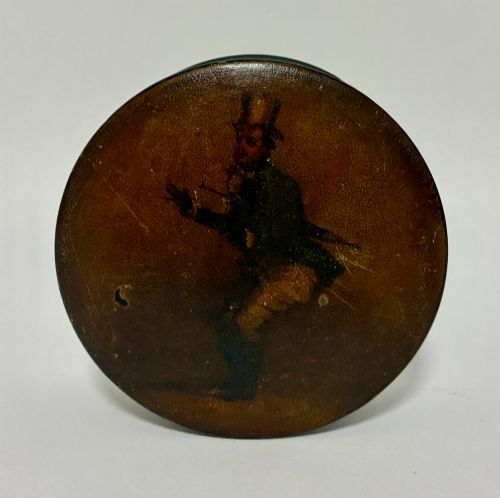
Even sturdy papier-mache was once entrusted to hold hot tea and heavy snuff.
What varies in quality
Quality rests primarily on the finesse of the brushwork and the complexity of the painted or inlaid ornament. Pieces displaying crisp detail and secure lacquer show superior workshop standards compared to simpler, coarser variants.
The stability of the underlying papier-mache core and the integrity of any supporting timber or metal stand dictate the longevity and overall standard of the surviving piece.
Jennens & Bettridge·Stobwasser
The Painted Papier Mache Table Glossary
- Papier-mache
- A composite material made from paper pulp or layers of paper mixed with glue, moulded and dried to form a hard surface.
- Chinoiserie
- A European artistic style reflecting Chinese motifs and decorative themes, frequently applied to lacquered furniture.
- Tilt-top table
- A table with a hinged top that rotates to a vertical position when not in use, saving space.
- Jappaned
- A type of European lacquer finish designed to imitate East Asian lacquerware.
- Stobwasser
- A notable German workshop famous for producing high-quality lacquered papier-mache small goods and boxes.
Painted Papier Mache Table: Frequently Asked Questions
How do I clean a painted papier mache table?
Dust the surface gently with a dry, soft microfibre cloth to remove loose particles without scratching the delicate lacquer or paintwork.
Avoid using water, chemical sprays, or abrasive polish, as moisture can penetrate the dried pulp core and damage the finish.
Where should I position this table at home?
Position the table away from direct sunlight and strong heat sources like radiators to prevent the lacquer from cracking or fading.
A stable corner or beside a seating area where it experiences minimal physical contact ensures the piece remains preserved.
How do I distinguish Victorian from Georgian pieces?
Georgian and Regency pieces often feature precise, restrained Chinoiserie or classical motifs with refined European japanning.
Victorian examples frequently incorporate bolder floral patterns, ebonised frames, and inlaid mother of pearl elements.