



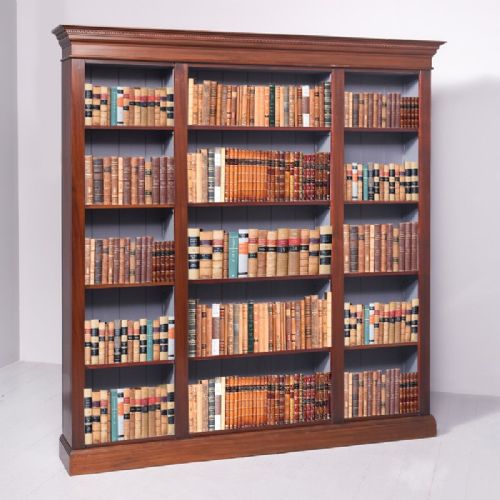


Painted Open Bookcase
A painted open bookcase brings architectural presence and softened colour to a room, offering accessible shelving dressed in historic layers of pigment.
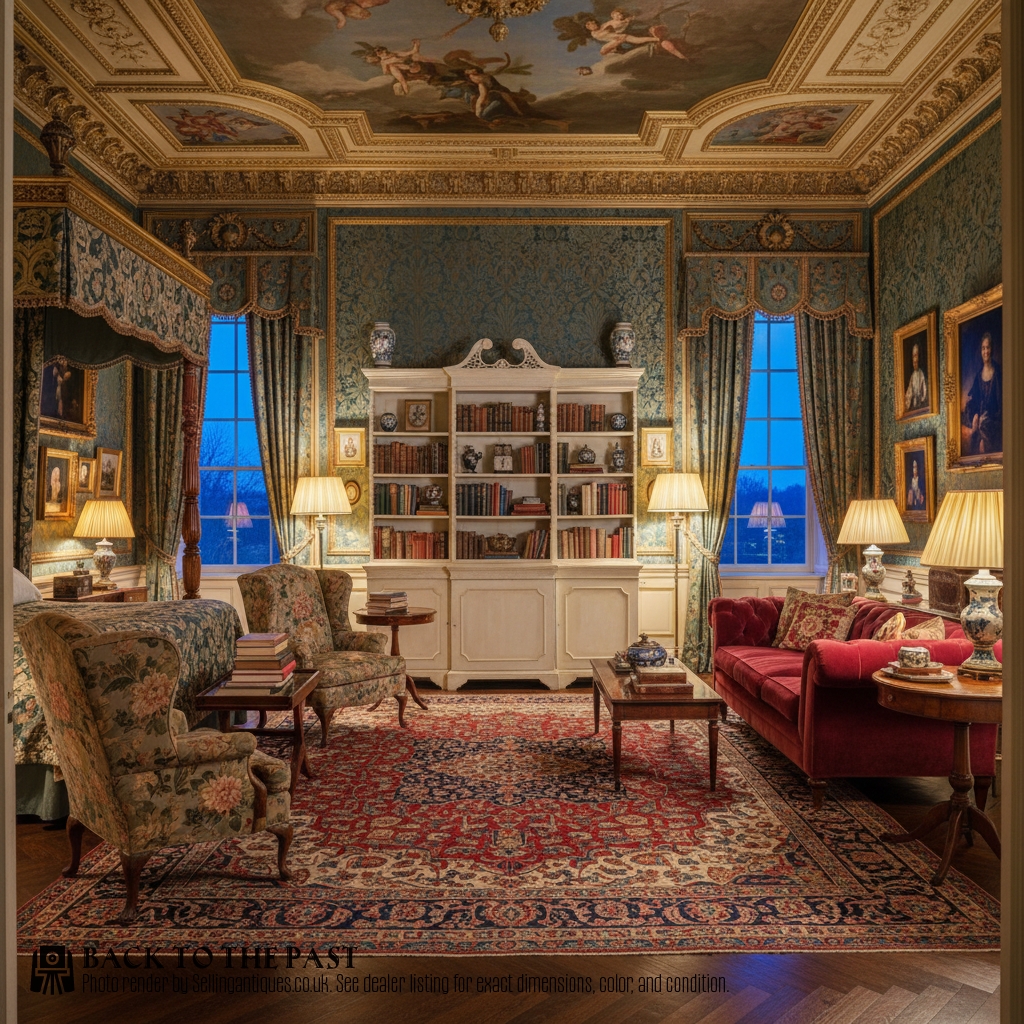
Painted Open Bookcase
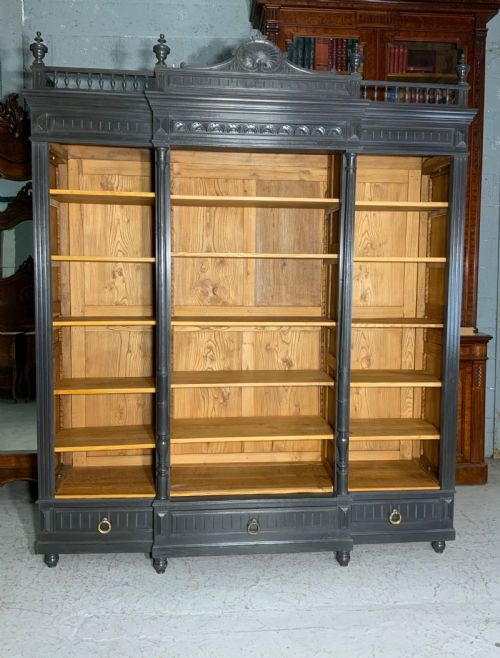
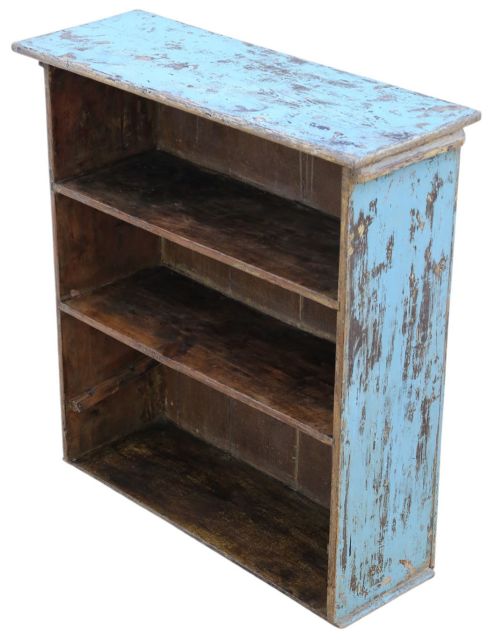
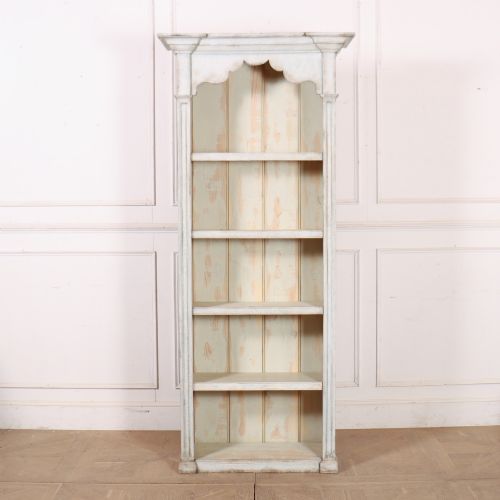
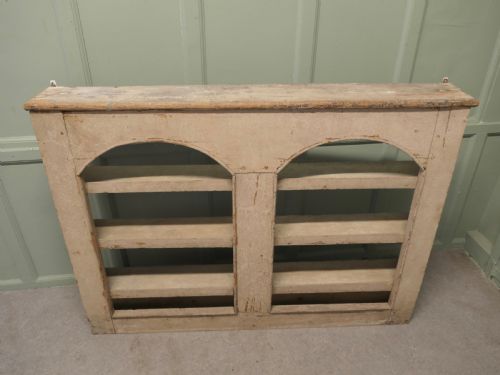
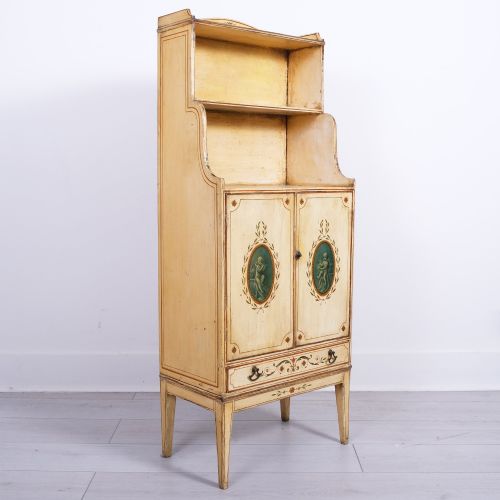
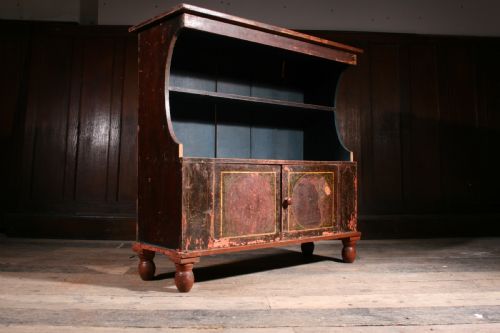
A painted open bookcase serves as a functional display unit for volumes and objects, combining accessible horizontal shelving with the decorative surface of historic painted finishes. When searching for a painted open bookcase, buyers encounter forms ranging from dwarf wall units and waterfall designs to grand breakfront library pieces and rustic farmhouse cupboards.
The pieces appearing on this page span the 18th century, the Georgian era, the Regency period, and the Victorian age, alongside later examples from around 1900 to 1930. French provincial, Swedish, and English workshops dominate the regional origins, providing a variety of proportions from tall upright shelving to low display stands.
Buyers are most likely to meet Victorian and 19th-century pine or softwood interpretations finished in original paint, blue-grey tones, or simulated grain. These versatile variations provide the everyday practicality of open shelves combined with the distinct character of aged, distressed, or parcel-gilt decorative surfaces.
Materials and construction
Makers constructed these pieces primarily using pine, softwood, and oak timber, relying on solid boards for structural stability across uprights and fixed or adjustable shelves. Joinery techniques varied from simple nailed or screwed farmhouse construction to precise cabinet-making found in breakfront library bookcases.
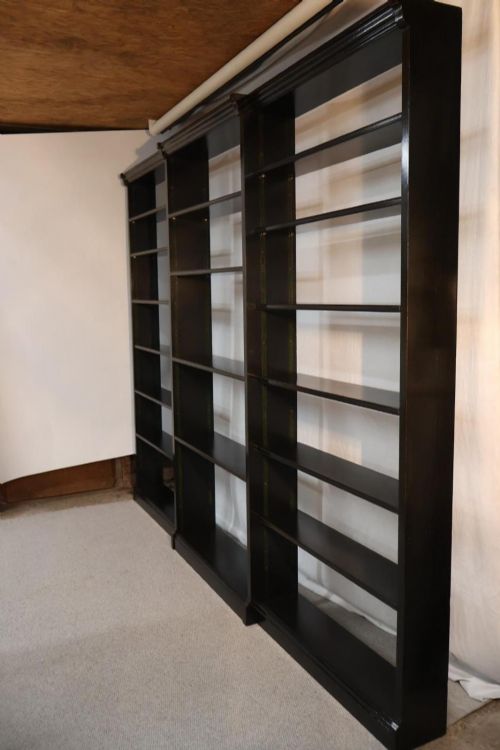
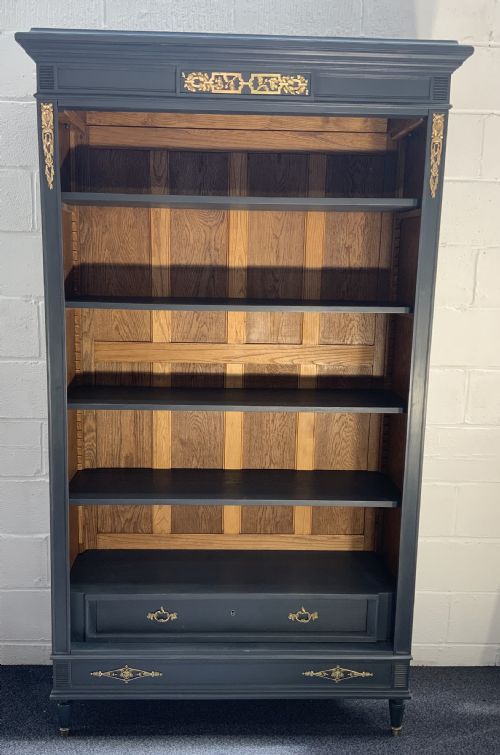
Surface finishes define these items, utilising layers of lead-based or oil paints, ebonised treatments, simulated graining, and gilded or parcel-gilt highlights. Brass embellishments occasionally appear on French and English pieces, adding functional mounts and decorative contrast to the painted wood.
Several pieces wear coats of simulated paint, proving that even past owners enjoyed the look of fancy timber without the expense.
Distinctions in standard
The distinction between ordinary and superior pieces rests heavily on the integrity of the surface finish and whether the paint is original or a later application. Pieces retaining their initial painted skin, grained finish, or delicate painted decoration command greater interest among collectors.
Structural proportion and timber selection further separate standard utility items from finer workshop output. Well-proportioned cornices, architectural breakfront profiles, and solid timber framing indicate higher craftsmanship compared to utilitarian country pine shelving.
The Painted Open Bookcase Glossary
- Breakfront
- A piece of furniture where the central section projects forward from the flanking wings. This configuration adds architectural depth and presence to larger bookcases.
- Waterfall bookcase
- A set of open shelves characterised by stepped sides that recede from bottom to top, following a cascade profile. This lighter form often dates to the Regency and Victorian periods.
- Ebonised wood
- Timber treated with a chemical stain or dark pigment to imitate expensive ebony wood. This finish was particularly favoured during the Victorian era and the Aesthetic movement.
- Original paint
- The initial surface coating applied to a piece of furniture during its period of manufacture. Surviving primary paint provides authenticity and historical value.
- Parcel gilt
- A decorative technique where specific carved details, mouldings, or embellishments receive a thin application of gold leaf over a painted base.
Painted Open Bookcase: Frequently Asked Questions
How do I style a painted open bookcase?
Balance vertical book groupings with horizontal stacks and small decorative objects to prevent visual heaviness. Leave some shelf space empty to let the painted interior finish remain visible.
Position the bookcase against plain walls to highlight the historic colour and texture of the painted timber without visual competition from patterned wallpaper.
Were these always painted?
Many softwood and pine pieces received paint from the outset to protect the timber or imitate finer woods like satinwood or mahogany. Other items were painted later in their working lives to suit changing domestic tastes.
Examining the underlying wood and the wear patterns around the edges helps determine whether the pigment dates to the original manufacture.
Can shelves be adjusted?
Earlier pieces frequently feature fixed shelves secured with traditional joinery, while later Victorian and 19th-century examples often incorporate adjustable wooden supports or pegged brackets. Check the construction of the interior uprights to see if shelf heights can be altered for different book sizes.
How do I identify the period?
Look to the overall silhouette, such as the stepped profile of a Regency waterfall bookcase or the symmetrical grandeur of a Georgian breakfront. Moulding profiles, timber types, and the composition of the paint layer also offer clear clues to the decade of origin.