

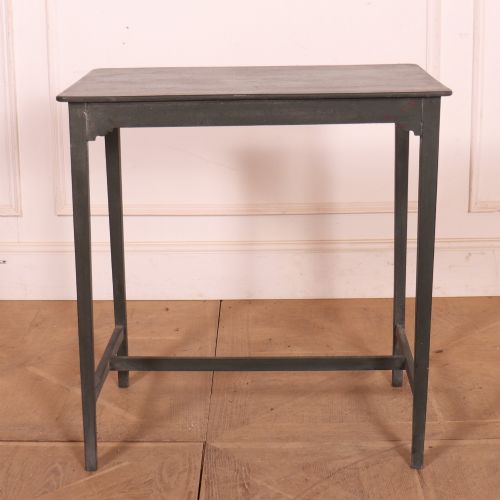


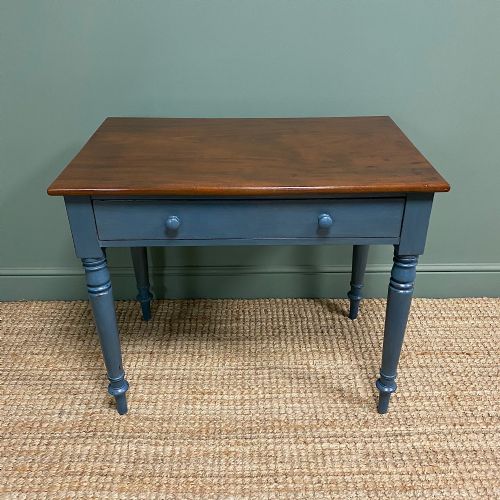
Painted Oak Console Table
These painted oak console table examples combine solid timber construction with historic decorative surfaces, offering practical hallway furniture for everyday modern living.
Painted Oak Console Table
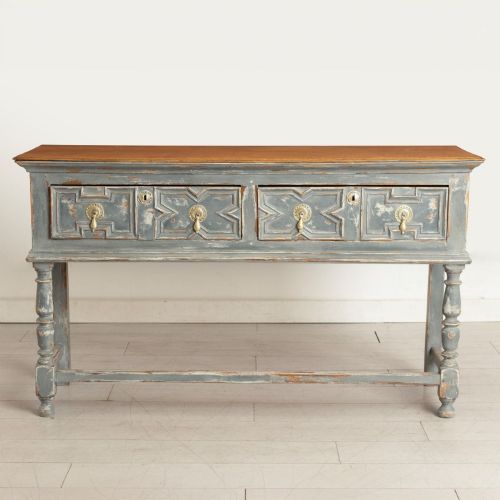
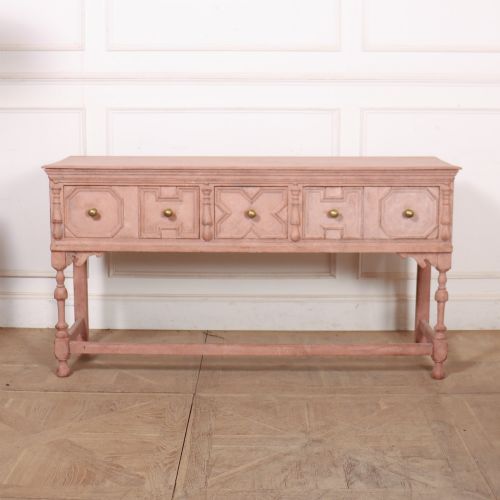
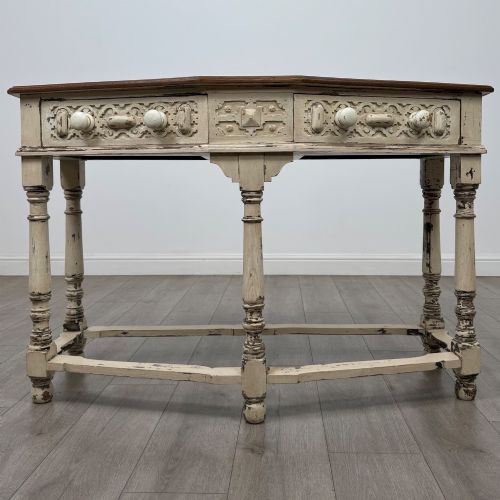
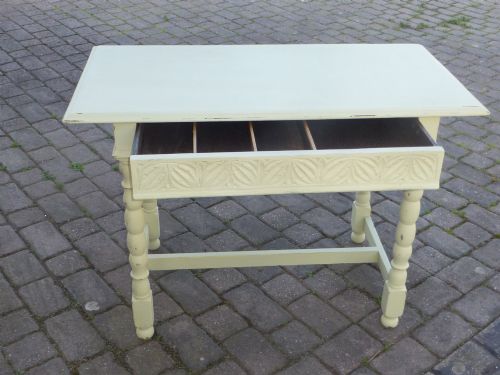
When you search for a painted oak console table, you are looking at narrow wall tables, dresser bases, and side tables constructed from sturdy timber and finished with paint. These pieces function well in hallways and living spaces where surface area is required without a deep footprint.
On this page, you are most likely to meet examples originating from English and French traditions across the seventeenth, eighteenth, and nineteenth centuries. Alongside standard console forms, the inventory includes dresser bases, lamp tables, and drapers tables adapted to similar uses.
Styles range from Georgian and English country to French provincial and Jacobean revival. Pieces often display single or multiple drawers beneath a substantial wooden top, resting on various leg formations suited to their period of origin.
How they were made
Construction relies heavily on solid oak for frames, tops, and structural elements, sometimes supplemented by pine or general wood components in secondary areas. Surfaces are then treated with paint, which ranges in condition from historic layered finishes to later decorative applications.
Hardware such as brass handles and pulls appears on drawer fronts where applicable, while specific variations include marble tops on French pastry tables. Joinery reflects the traditional techniques of the period, from seventeenth-century dresser framing to eighteenth-century console assembly.
Styles represented across the inventory include English country, Georgian, French provincial, Jacobean revival, and country house.
What varies in quality
The distinction between tiers of quality rests on the integrity of the original oak timber and the character of the paint surface. Pieces retaining untouched period paint layers and sound structural joinery stand apart from those with compromised timber or unsympathetic modern re-paintings.
Proportion and decorative restraint also determine the calibre of a piece, with well-balanced country house or Georgian proportions offering superior visual appeal. Finer examples maintain their original brass hardware and show minimal replacement of structural oak components.
The Painted Oak Console Table Glossary
- Console table
- A wall table designed to be fixed or to stand against a vertical surface, often featuring slender proportions suited to narrow hallways.
- Dresser base
- A low sideboard or table base typically featuring drawers and occasionally lower pot boards, utilised historically for storage and display.
- Drapers table
- A long, utilitarian utility table originating from retail or domestic textile use, featuring a generous wooden top and sturdy leg construction.
- Jacobean revival
- A nineteenth-century historicist style drawing on seventeenth-century motifs, characterised by heavy turning, geometric moulding, and dark oak construction.
- Bleached
- A treatment applied to timber surfaces to lighten the natural tone of the wood while retaining the grain pattern underneath.
Painted Oak Console Table: Frequently Asked Questions
Where should I place a painted oak console table?
These narrow tables suit hallways, corridors, and entrance spaces where floor area is restricted. They also function effectively behind sofas or along dining room walls.
Their shallow depth allows them to provide a surface for lamps and decorative items without obstructing household traffic.
How do I care for historic painted wood?
Dust surfaces regularly with a soft, dry cloth and avoid placing pieces in direct sunlight or near direct heat sources. Moisture should be wiped away immediately to protect both the timber and the paint layer.
Applying harsh chemical cleaners will damage historic finishes, so gentle maintenance preserves the surface best.
What is the difference between a console and a dresser base?
Console tables are generally shallower and designed primarily as decorative wall-standing furniture pieces. Dresser bases are deeper, traditionally heavier, and built with storage drawers for household goods.
Both serve similar functional roles in contemporary interiors as side surfaces.
How can I tell a nineteenth-century piece from an eighteenth-century one?
Dating relies on examining construction methods, timber grain, and the wear patterns on both the wood and paint. Earlier pieces often display hand-cut joinery and aged patination specific to seventeenth and eighteenth-century workshops.
Nineteenth-century items, including revival styles, incorporate manufacturing techniques and hardware characteristic of the Victorian era.