




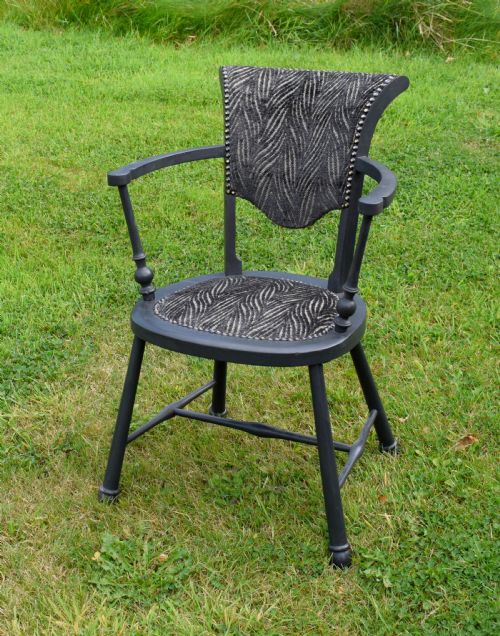


Painted Oak Armchairs
These painted oak armchairs combine sturdy timbers with decorative surface finishes, offering a practical seating option with plenty of historic character.
Painted Oak Armchairs
When you search for painted oak armchairs, you encounter a varied selection of seating pieces spanning several centuries from the Georgian era through to the twentieth century. These items encompass country vernacular forms alongside revival designs, reflecting diverse regional furniture traditions.
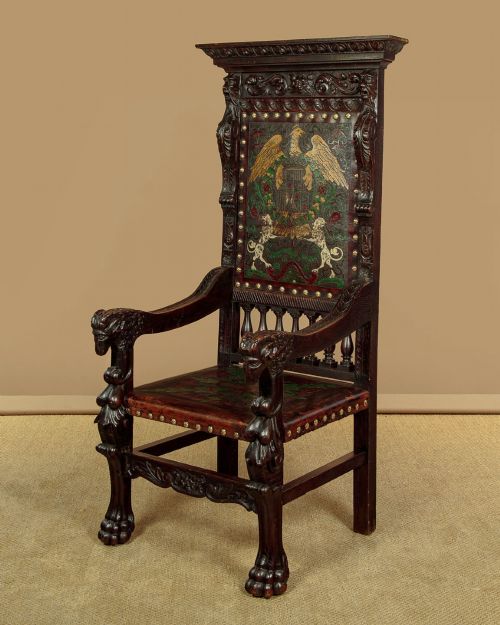
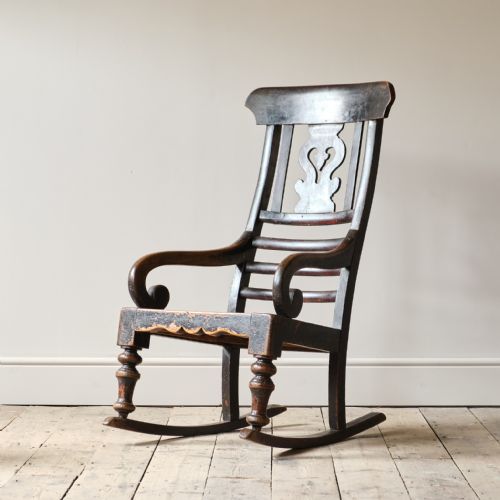
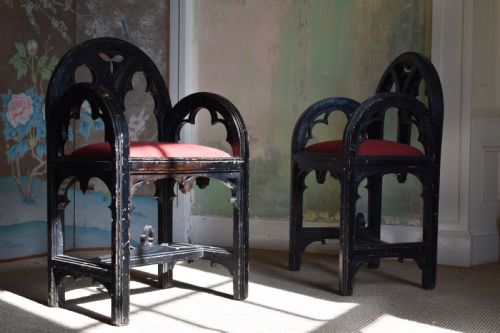
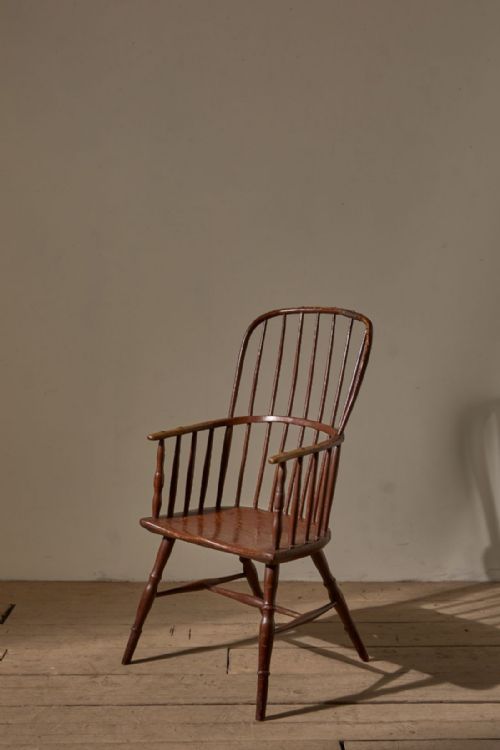
The assortment on this page includes robust Windsor chairs, ladder backs, and Gothic revival models featuring arms. Many examples combine oak with ash, elm, or rush seating to create durable everyday furniture.
Originating from British and continental workshops, these chairs range from simple domestic seating to more elaborate armorial hall chairs and throne styles. Each piece demonstrates how earlier makers adapted standard forms for specific interiors.
Materials and construction methods
Makers built these chairs using solid native timbers like oak, ash, and elm, often combining woods within a single frame for structural strength. Rush and leather provided durable seating surfaces, while brass components added functional details.
Surface decoration relies on historic layers of paint applied over the timber. Carpenters employed traditional joinery techniques, shaping hoop backs, stick constructions, and carved details by hand.
Painted Oak Armchairs Retail Price Guide 2026
Typical asking prices for painted oak armchairs among the pieces listed under this phrase on Sellingantiques today, from the lower quarter to the upper quarter. They describe what is for sale here now, not the wider market.
Several pint-sized examples survive, proving that even historic children needed somewhere properly impressive to sit.
Assessing the range of quality
Quality in these chairs rests upon the integrity of the timber frame and the preservation of original painted surfaces. Finer examples display crisp hand-carved details and balanced proportions, particularly within revival and vernacular styles.
The relationship between the structural woodwork and the remaining decorative paint finish dictates the overall character of each piece. Retained early pigment layers enhance the historical interest of vernacular furniture.
The Painted Oak Armchairs Glossary
- Hoop back
- A continuous curved backrest formed from a single bent piece of timber or multiple joined sections. This design provides ergonomic support in traditional Windsor and stick chairs.
- Ladder back
- A chair back featuring several horizontal wooden slats set between upright posts. This traditional form appears frequently in regional country seating.
- Gothic Revival
- An architectural and decorative style drawing inspiration from medieval design. It is characterised by pointed arches, tracery, and formal armorial motifs.
- Vernacular
- Everyday furniture made by local craftsmen using regional styles and readily available materials rather than following metropolitan fashions.
Painted Oak Armchairs: Frequently Asked Questions
What periods do these chairs date from?
The pieces span from the eighteenth century through to the early twentieth century, encompassing Georgian vernacular work and later revival movements.
Specific construction details and stylistic cues help identify whether a chair originates from the Georgian period or later nineteenth-century Gothic revival phases.
Are the painted finishes original?
Paint finishes vary significantly across the collection, with some pieces retaining early or original surface pigment while others show later decorative layers.
Examining the wear patterns and interaction between the paint and underlying timber helps determine the age of the surface.
How do I care for antique painted wood?
Protect these chairs by keeping them away from direct sunlight and sudden temperature changes, which can cause timber to split and paint to flake.
Dust gently with a dry cloth and avoid harsh modern cleaning agents that might damage historic surface coatings.
Where were these regional chairs made?
Many items originate from specific British regions and Welsh workshops, reflecting local vernacular traditions in their construction and timber choices.
Continental influences also appear in specific French revival armchairs included within the selection.