


Painted Metal Single Bed
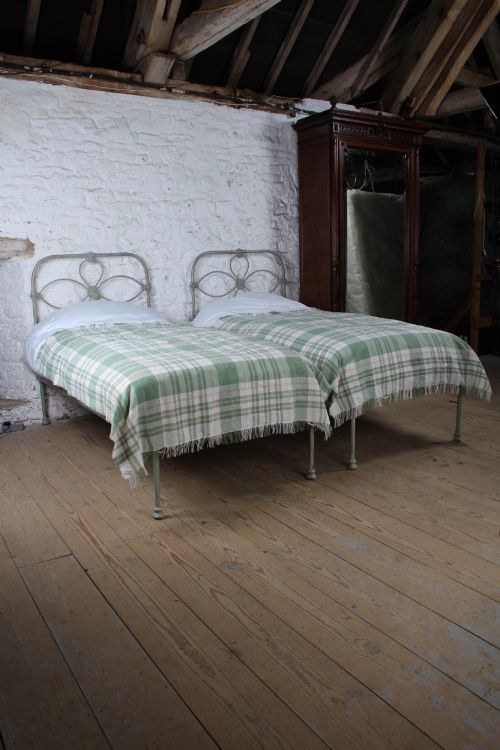
A painted metal single bed brings character and history to a guest room, offering robust construction paired with decorative charm.
Painted Metal Single Bed
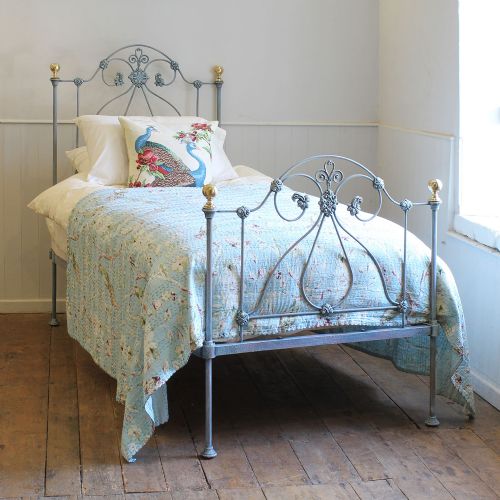
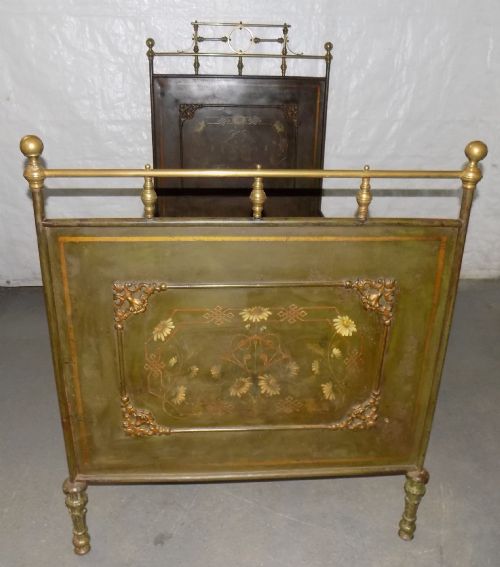
When you search for a painted metal single bed, you are looking at nineteenth-century furniture constructed primarily from iron, cast iron, and wrought iron, often combined with brass components. These single beds and bedsteads appear in forms ranging from standard Victorian designs to Austrian toleware and rustic European styles.
The versions you are most likely to meet on this page date from the mid-nineteenth century up to nineteen hundred, covering the Victorian era and the broader nineteenth century. They arrive in various painted finishes, including blue verdigris, cream, black, and white, with several examples offered as matching pairs that can be joined together.
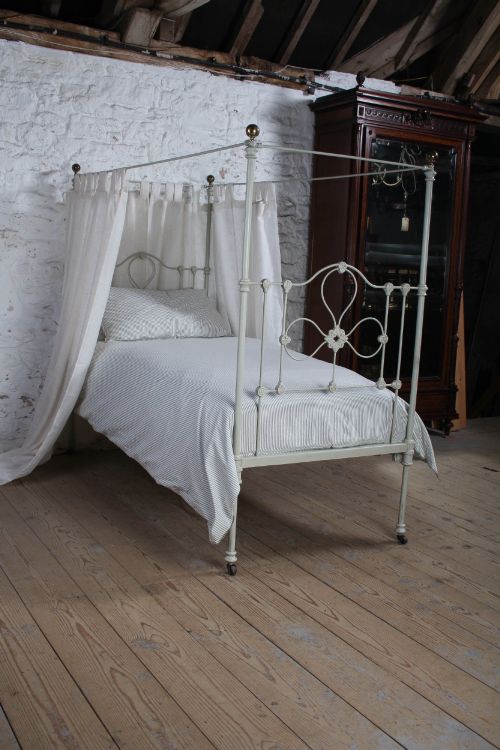
Makers such as R W Winfield contributed to this tradition, producing substantial brass and iron bedsteads that survive today. Whether configured as standard single sizes, four posters, or no-end beds, these pieces combine utilitarian metal framing with decorative painted surfaces.
How they were made
Makers constructed these bedsteads using heavy cast iron and wrought iron for the structural frames, providing the necessary strength for daily use. Sheet metal and applied paint finishes completed the surface, protecting the underlying metal while delivering the decorative colour seen in shades like white, cream, and blue verdigris.
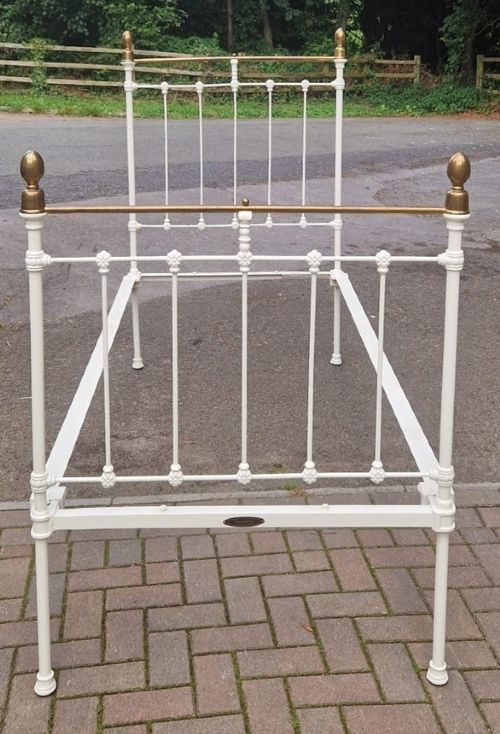
Brass elements, including decorative tubing, knobs, and finials, were frequently incorporated alongside the iron framework to add contrast and visual warmth. These mixed-metal constructions relied on traditional foundry and metalworking techniques characteristic of nineteenth-century industrial production.
Several beds come in matched pairs ready to unite after decades apart.
What varies in quality
The distinction between standard examples and the finest pieces often lies in the complexity of the ironwork and the refinement of the brass mounts. Finer bedsteads feature intricate casting details, balanced proportions, and substantial gauge metal that ensures stability without excessive bulk.
The integrity of the original or period-appropriate painted finish also plays a role, with nuanced patination and well-preserved colour schemes indicating superior survival. Maker attribution, such as work originating from established firms like R W Winfield, further elevates the standing of a particular piece.
R W Winfield
The Painted Metal Single Bed Glossary
- Bedstead
- The complete framework of a bed, consisting of the headboard, footboard, and side rails, designed to support a mattress. This term specifically refers to the structural support rather than the bedding itself.
- Toleware
- Metalware that has been painted and often varnished or lacquered, commonly associated with decorative household objects and furniture pieces originating from continental Europe.
- Verdigris
- A green or bluish patina formed on copper, brass, or other weathered metal surfaces through natural oxidation or chemical treatment. In antique furniture, this finish is often valued for its aged decorative appearance.
- Cast iron
- Iron that has been poured into a mould while molten to create rigid, durable components with detailed decorative patterns. It formed the heavy load-bearing sections of nineteenth-century bed frames.
Painted Metal Single Bed: Frequently Asked Questions
Can these single beds be joined together?
Many of the single beds listed on this page are specifically noted as capable of being joined together to form a larger sleeping arrangement. This feature makes matching pairs particularly versatile for guest rooms.
Buyers should inspect the specific listing details to confirm whether joining brackets or matching configurations are included with the pair.
What periods do these metal beds come from?
The pieces available primarily span the nineteenth century, with specific examples dating from eighteen fifty through to nineteen hundred. Victorian manufacturing dominates this selection.
Styles range from standard British Victorian designs to Austrian toleware and American-influenced single beds.
What materials were used in their construction?
Makers relied heavily on iron, cast iron, and wrought iron to build the robust foundational frames of these bedsteads. Brass was frequently added as a decorative contrast for finials, tubing, and decorative mounts.
Surfaces were then finished with paint, resulting in surviving examples coated in cream, white, black, or blue verdigris.
How do I determine the size of the bed?
Listings generally specify standard single dimensions, with some examples noting a three-foot width. It is essential to check the exact measurements provided in each listing to ensure compatibility with modern standard mattresses.
Variations exist between standard single sizes, four poster formats, and no-end bed configurations.