



Painted Lacquer Coffee Table
A painted lacquer coffee table brings brilliant narrative scenes and rich surface depth to a room through centuries of decorative traditions.
Painted Lacquer Coffee Table
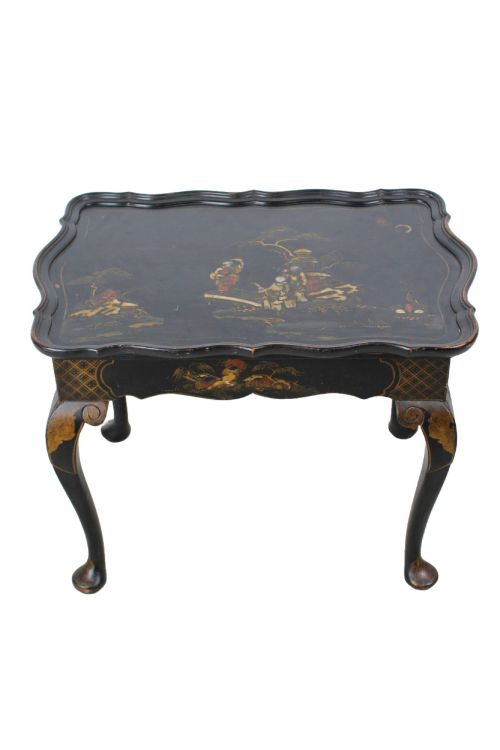
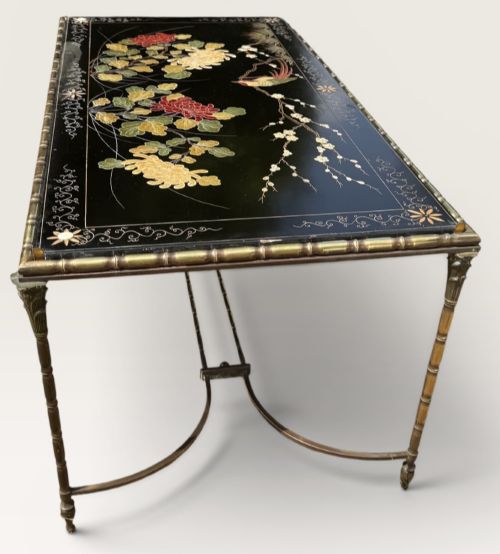
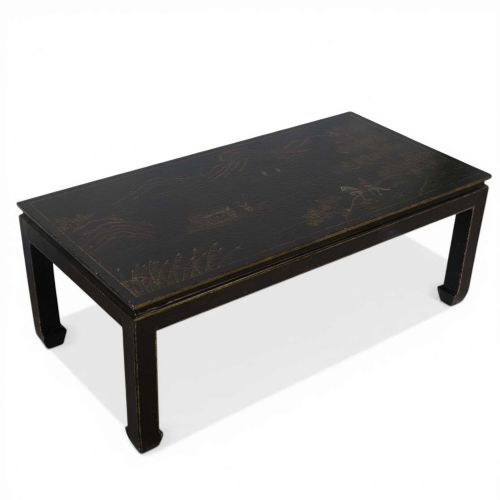
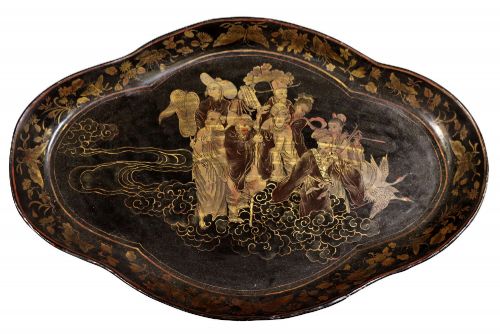
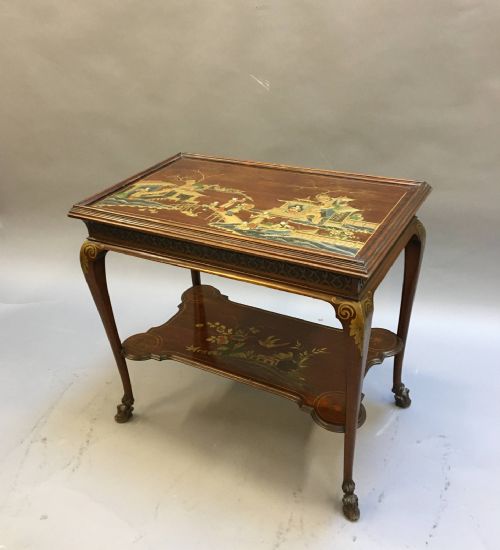
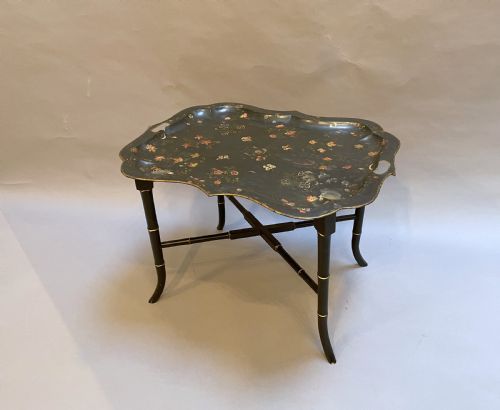
When searching for a painted lacquer coffee table, buyers encounter a diverse range of forms originating from different periods, including converted serving trays on stands, nests of tables, and low occasional pieces. The most common iteration on this page is the tray table, where a historic serving tray sits upon a custom or period base.
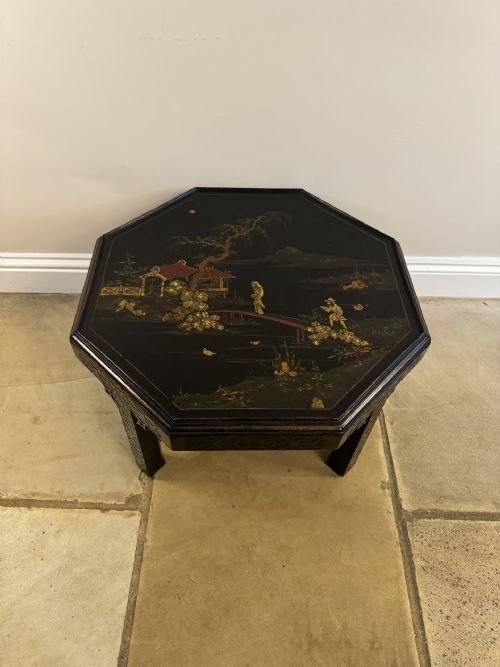
The selection spans numerous eras, with pieces emerging from the Regency, Victorian, and Edwardian periods alongside twentieth-century interpretations. Styles lean heavily into Chinoiserie and Japanning, presenting ornamental landscapes, figures, and gilt details across diverse regional workshops.
Makers adapted older serving vessels for modern domestic use by pairing them with folding or fixed stands. This conversion creates low tables that function effectively in contemporary settings while retaining their original decorative surfaces.
How they were made
Craftsmen built these tables using wood or papier-mâché as a base structure before applying multiple layers of lacquer to achieve a smooth, resilient ground. Artisans then built up the surface using paint, gilding, and gold leaf to render intricate pictorial scenes.
Papier-mâché trays utilised compressed paper pulp mixed with binding agents, pressed into moulds and baked to form a rigid board capable of holding detailed painted ornamentation. Wooden pieces relied on traditional joinery to form frames, tabletops, and chests before receiving the lacquer finish.
Several trays started life serving tea in grand drawing rooms before retiring as coffee tables.
What varies in quality
The sophistication of the painted narrative and the crispness of the gilt work dictate the standing of an individual piece. Finer examples display meticulous hand-painted details with distinct depth, whereas lesser items rely on simpler, heavier application.
The integrity of the lacquer surface and the relationship between the top and its base influence the overall standard. Original stands and minimal surface disruption elevate a piece above those with extensive later repainting or mismatched components.
Jennens and Bettridge·Maison Bagues
The Painted Lacquer Coffee Table Glossary
- Chinoiserie
- A European decorative style reflecting Chinese artistic motifs, popular in furniture and lacquerwork. Artisans used this aesthetic to depict imaginary oriental landscapes and figures.
- Papier-mâché
- A composite material made from paper pulp or sheets of paper mixed with glue, moulded and dried. This substance provided a lightweight yet durable base for painted trays.
- Japanning
- A European imitation of East Asian lacquer techniques developed during the seventeenth and eighteenth centuries. It typically involved dark varnishes finished with raised metallic decoration.
- Toleware
- Painted or enamelled sheet metal household objects produced during the eighteenth and nineteenth centuries. These items often feature dark painted grounds accented with gilt highlights.
- Gilding
- The application of gold leaf or powder to a surface to impart a metallic sheen. This technique highlighted borders and focal points within the painted scenes.
Painted Lacquer Coffee Table: Frequently Asked Questions
Are these trays attached to the bases?
Many historical tray tables feature a removable tray resting freely on a folding or rigid wooden stand. This design reflects their original dual purpose as serving vessels before conversion into low tables.
Other examples secure the tray permanently to the frame for added stability during daily use. Checking the fitting helps determine whether the base is contemporary to the top or a later addition.
How do I clean a lacquered surface?
Maintenance requires dusting gently with a soft, dry microfibre cloth to prevent scratching the delicate lacquer and gilt layers. Avoid commercial polishes, moisture, and abrasive cleaners that can damage the historical finish.
Keeping the table away from direct sunlight and excessive heat protects the lacquer from fading and cracking over time. Gentle care preserves the integrity of the painted scenes for daily living.
What is the difference between Chinoiserie and Japanese styles here?
Chinoiserie reflects European interpretations of Chinese motifs, featuring whimsical pavilions, figures, and garden landscapes rendered in gold and colour. These designs prioritize decorative narrative over geographical accuracy.
Items originating from regions like Kashmir or Burma incorporate distinct local artistic traditions and indigenous flora into the lacquerwork. Each regional variant employs specific palettes and compositional arrangements.
How do I date a papier-mâché tray table?
Dating relies on examining the construction of the papier-mâché board, the style of the painted decoration, and any maker stamps on the underside. Nineteenth-century examples often display deep moulding and hand-finished gilt borders.
The matching stand provides further clues, as many trays received wooden or iron bases decades after their initial manufacture. Maker marks from prominent firms help narrow the period of origin.