


Painted Lacquer Box
A painted lacquer box brings together layered finishes and miniature brushwork, offering a practical vessel for small treasures that carries centuries of global design.
Painted Lacquer Box
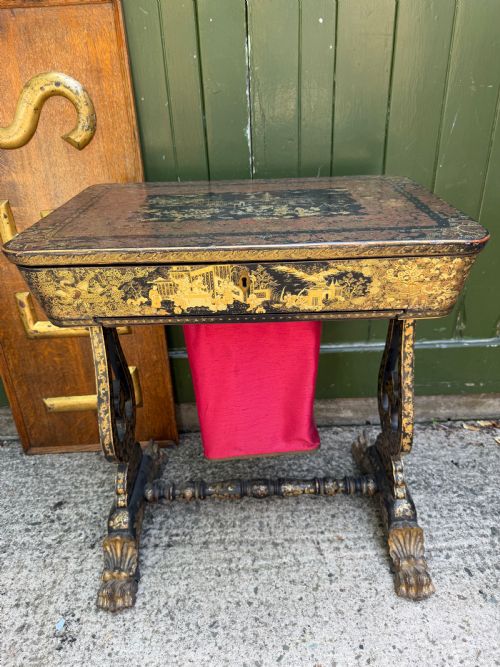
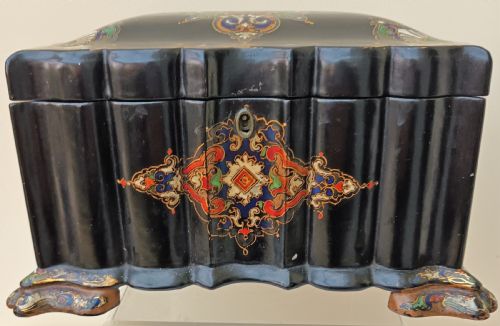
When you search for a painted lacquer box, you encounter a diverse range of containers originating from British, European, Asian, and Middle Eastern workshops during the Georgian, Victorian, and later periods.
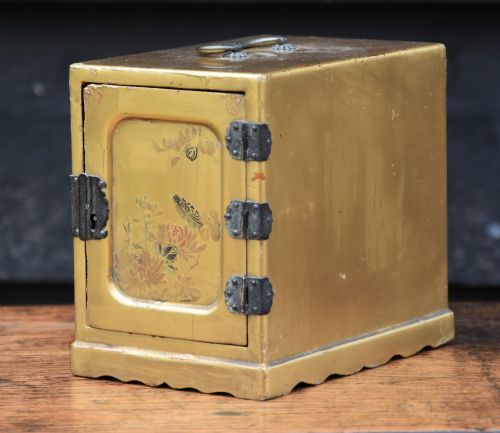
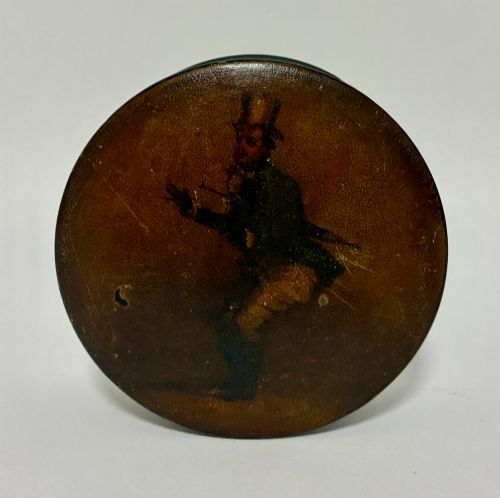
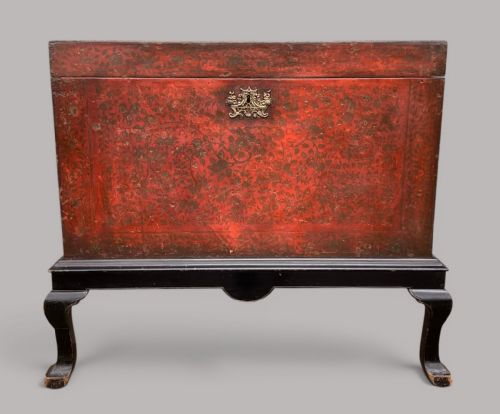
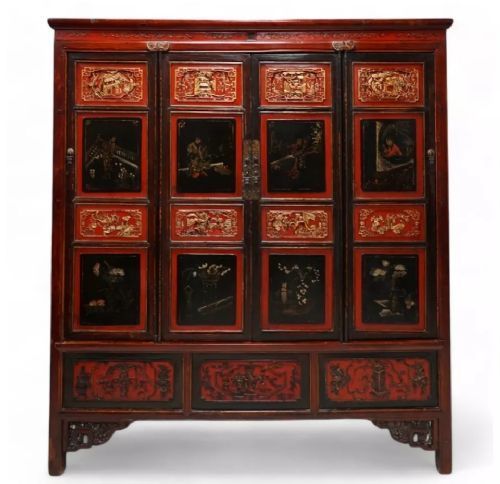
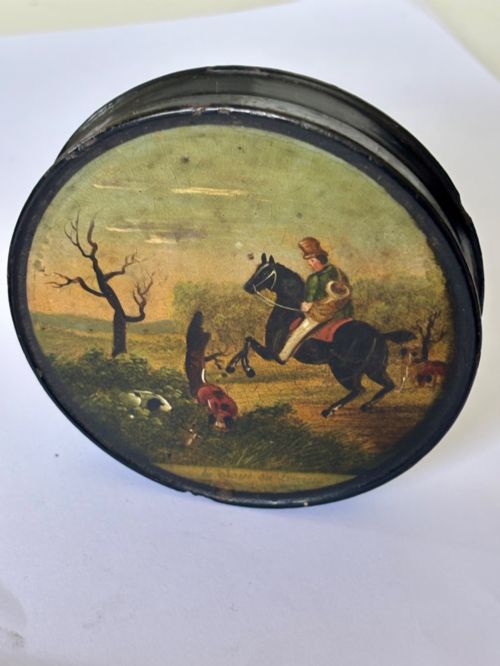
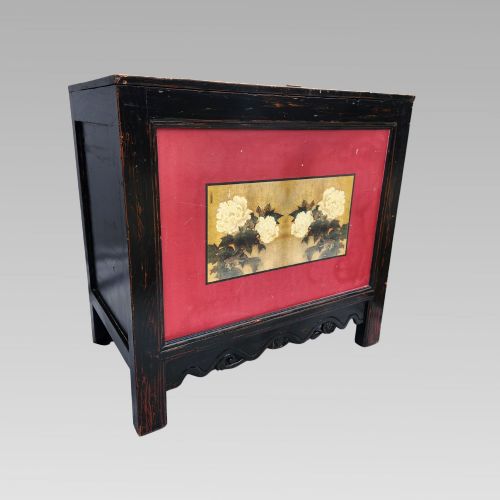
The most common forms on this page include small pocket snuff boxes, tea caddies, and larger storage chests or jewellery cabinets finished with hand-applied surface painting.
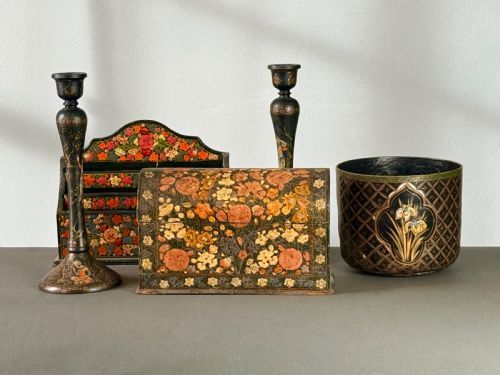
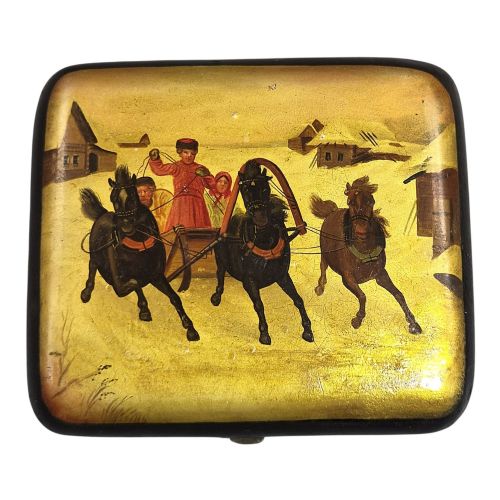
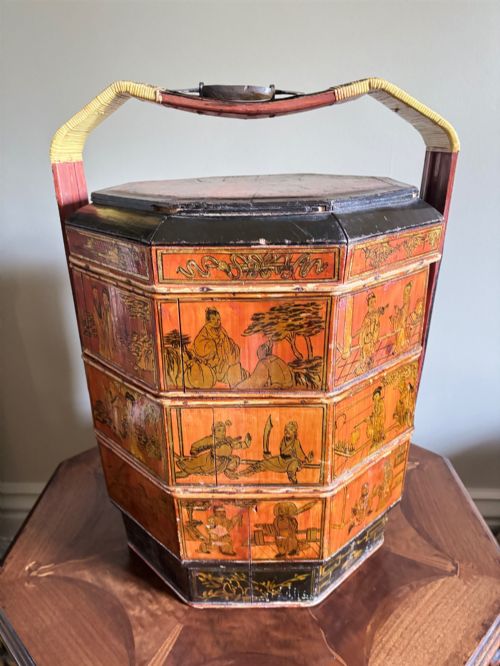
These items span multiple stylistic traditions, from English papier-mâché tea caddies and Russian portrait pieces to Chinese export trunks and Kashmiri lidded pots.
How they were made
Many European and Middle Eastern pieces utilise papier-mâché or moulded pulp as a stable base, which was then sealed, smoothed, and coated with dark or coloured lacquers.
Asian and Anglo-Indian examples frequently employ solid wood cores such as elm or pine, built up with successive layers of natural sap or resin before receiving intricate oil paint or gold leaf decoration.
Finishing techniques often involved meticulous hand-painting of figurative scenes, florals, or landscapes, sometimes sealed with a protective varnish or polish.
Several Victorian pocket boxes conceal sly erotic paintings beneath sliding wooden panels.
What varies in quality
The sophistication of the miniature brushwork and the precision of the painted detail distinguish workshop standards, separating mass-produced items from accomplished artist pieces.
The stability and preparation of the underlying material foundation dictate long-term durability, preventing the cracking or lifting often seen in lesser preserved lacquer surfaces.
Vishnyakov Workshop·Stobwasser
The Painted Lacquer Box Glossary
- Papier-mâché
- A composite material made from paper pulp or layers of paper mixed with glue, heavily pressed and dried to form a rigid shape for boxes.
- Chinoiserie
- European decorative style reflecting Chinese artistic influences, popular in furniture and small containers during the Georgian and Victorian eras.
- Gilt
- A thin application of gold leaf or gold paint used to highlight decorative borders and pictorial motifs across the surface.
- Caddy
- A small container or chest originally designed for storing loose tea leaves securely within domestic interiors.
Painted Lacquer Box: Frequently Asked Questions
What were painted lacquer boxes used for?
These boxes served various domestic and personal purposes, holding everything from dry tea leaves and playing cards to personal correspondence and snuff.
Smaller formats were kept in pockets or on dressing tables for daily accessories, while larger trunks accommodated precious garments or family documents.
How do I care for a painted lacquer box?
Keep these pieces away from direct sunlight and extreme humidity fluctuations, which can cause the lacquer finish to craze or the wood substrate to warp.
Dust gently with a dry, soft cloth and avoid chemical polishes or excessive moisture that might damage the painted layer.
How can I tell the period of a lacquer box?
Examine the internal construction materials, hardware, and hinge types, which often reveal the manufacturing technology of the era.
Stylistic cues in the painted scenes and regional techniques, such as Kashmiri floral work versus Victorian papier-mâché, also anchor the piece in time.
Are all lacquer boxes Asian in origin?
While the technique originates in East Asia, European centres developed thriving traditions using papier-mâché and wood during the Georgian and Victorian periods.
Regions such as Russia, Kashmir, and France produced distinctive painted wares that adapted Eastern methods to local tastes.