



Painted Kitchen Dresser Top
A painted kitchen dresser top offers honest country storage and display, bringing character and practical utility directly into a modern home.
Painted Kitchen Dresser Top
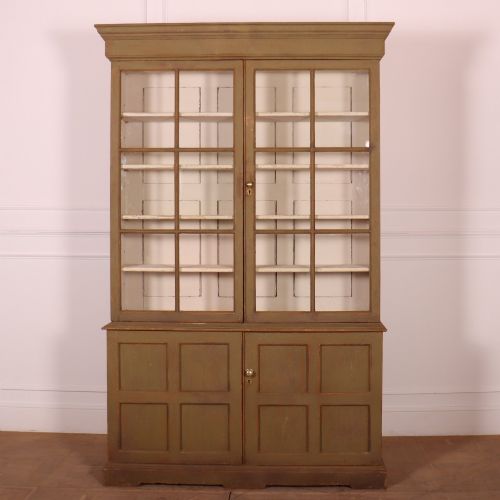
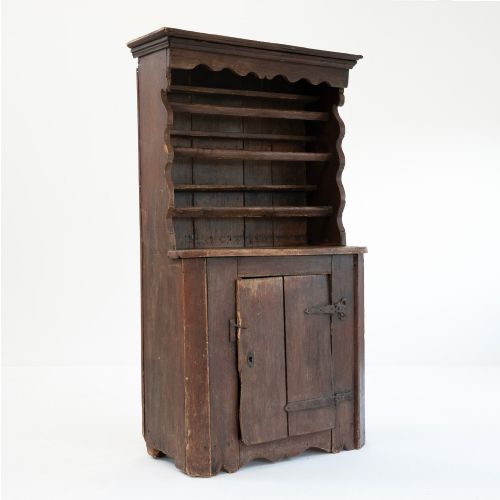
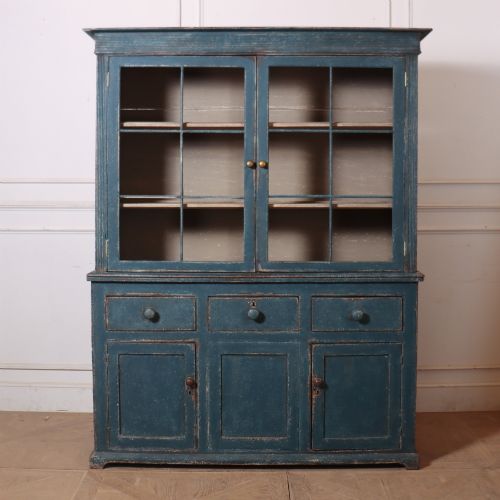
When you search for a painted kitchen dresser top, you are looking at practical storage furniture originating from country houses and farmhouses. These pieces combine open or enclosed shelving intended for display with sturdy lower sections suited for daily domestic use.
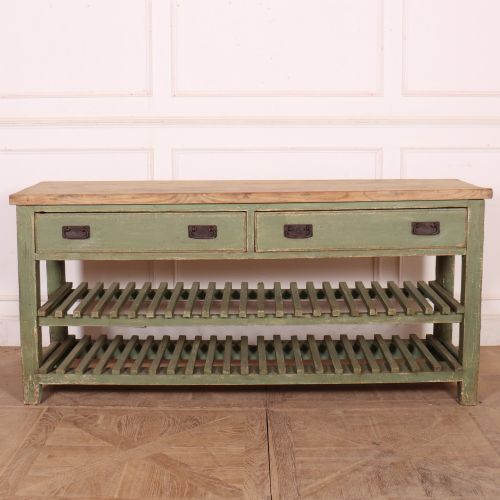
The versions you are most likely to meet on this page hail from the eighteenth and nineteenth centuries, reflecting regional English, Scottish, Irish, and Welsh traditions. Their forms range from narrow potboard servers to large painted dresser bases and bookcases.
Regional variations show distinct proportions and joinery methods handed down through generations of local makers. Rustic farmhouse and English country styles dominate the selection, bringing an unpretentious aesthetic to contemporary interiors.
How they were made
Traditional construction relies heavily on solid pine and painted timber, chosen for availability and ease of working in regional workshops. Makers utilised hand tools to shape boards, employing traditional joints that accommodated the natural movement of timber over decades of use.
Iron and wrought iron hardware, including hinges and latches, provide durable functional support. Brass elements occasionally appear on finer pieces, while layers of historic paint finish the exterior surfaces to protect the wood and provide colour.
Painted Kitchen Dresser Top Retail Price Guide 2026
Typical asking prices for painted kitchen dresser top among the pieces listed under this phrase on Sellingantiques today, from the lower quarter to the upper quarter. They describe what is for sale here now, not the wider market.
Traces of flour and old baking ingredients hidden deep within drawer joints remind us these boards spent generations working hard.
What varies in quality
The distinction between standard workshop output and superior examples lies in the integrity of the timber and the handling of the painted surface. Thicker boards, restrained proportions, and original structural timbers elevate a piece far above utilitarian replacements.
Patina dictates much of the appeal, where honest wear from daily kitchen duties tells a coherent story of use. Gradual weathering of the paint layers creates depth that modern repainting simply cannot replicate.
The Painted Kitchen Dresser Top Glossary
- Potboard
- An open slatted lower shelf traditionally used for storing pots and heavy kitchenware. It sits just above the floor between the lower legs of a dresser base.
- Dresser base
- The lower cabinet portion of a larger dresser arrangement, featuring cupboards or drawers. These items often function independently as sideboards or servers.
- Pine
- A soft timber widely utilised for regional country furniture due to its abundance and workability. It accepts paint finishes readily and forms the primary structure of most pieces here.
- Patina
- The surface appearance developed through age, handling, and wear over centuries. This encompasses softened edges and accumulated layers of historic paint.
Painted Kitchen Dresser Top: Frequently Asked Questions
What is a painted kitchen dresser top?
A painted kitchen dresser top refers to the upper shelving section or the complete standalone base unit designed for storing and displaying kitchenware. These items originate from nineteenth-century and eighteenth-century rural homes.
They provide vertical display space and storage, making them practical additions to dining rooms or kitchens. Their rustic charm derives from utilitarian origins in Welsh, Irish, and English country houses.
How do I care for antique painted wood?
Keep painted timber surfaces away from direct heat sources and strong sunlight to prevent the wood from splitting and the paint from fading. Dust gently with a dry cloth and avoid harsh chemical cleaners.
Applying a mild bees wax can help protect older timber surfaces. Treat the historic finish with care to preserve the original patina.
Where were these dressers made?
These pieces originate from various rural regions including England, Scotland, Wales, and Ireland. Local craftsmen built them using accessible regional materials like pine.
Each area developed distinct proportions and stylistic traits suited to local domestic habits. Regional variations help collectors identify the geographic source of a particular piece.
How do I date a nineteenth-century dresser?
Examine the construction methods, tool marks on the timber, and the composition of the paint layers. Hand-cut joints and native pine timbers typically indicate nineteenth-century or earlier origins.
Hardware style and signs of genuine wear provide further clues to age. Comparing structural details with documented regional examples confirms the period.