


Painted Japanese Porcelain Set
These painted japanese porcelain set pieces bring together centuries of distinct ceramic craft, offering rich palettes and intricate forms for any home.
Painted Japanese Porcelain Set
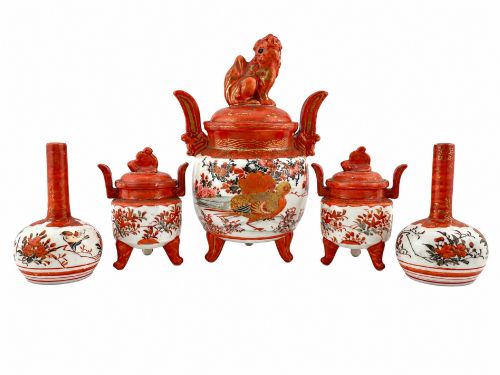
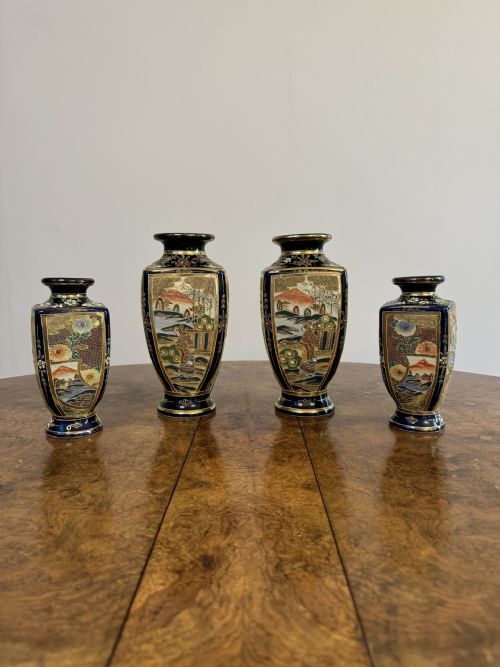
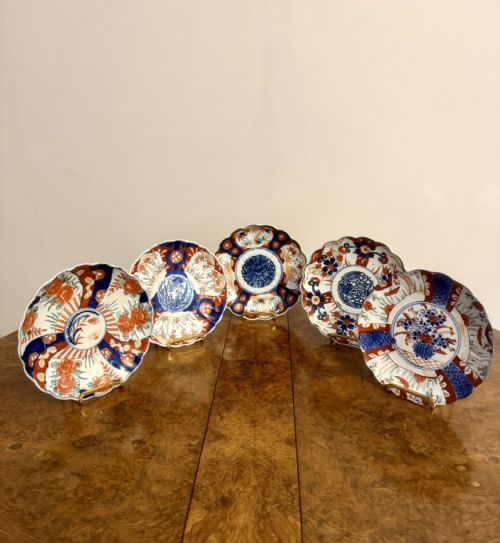
A painted japanese porcelain set encompasses various decorative plates, vases, and tea services spanning the nineteenth and early twentieth centuries. Collectors searching this phrase encounter formations such as Imari plates, Satsuma garnitures, and Kutani vases.
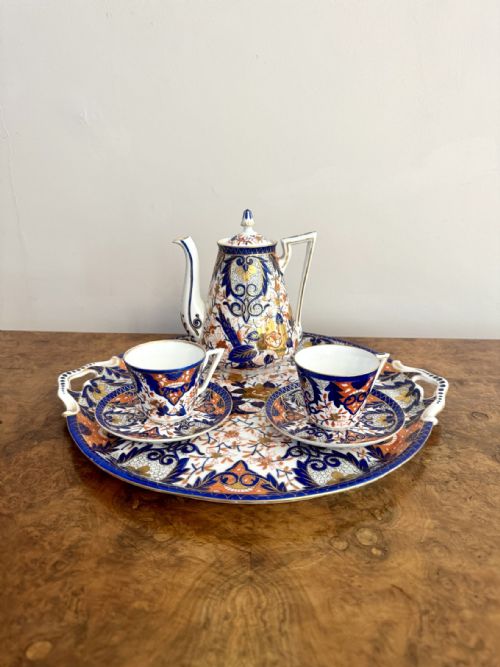
The selections on this page range from complete tea sets with storage boxes to matching groups of shaped dishes and coffee sets. Pieces frequently date from the Meiji and Taisho periods, as well as Victorian revivals.
Vases and garnitures dominate the decorative offerings, while tea and coffee services represent the functional side of these historical wares. Each grouping displays traditional motifs rooted in Japanese ceramic history.
How They Were Made
Artisans formed these vessels from porcelain and earthenware bodies before applying intricate hand-painted designs in enamel and cobalt. Many examples incorporate gold leaf and heavy gilding to highlight specific geometric and floral elements.
Potters utilised specialised glaze techniques across different eras, transitioning from classic underglaze blue traditions to elaborate polychrome schemes. Kiln firings set the mineral pigments permanently beneath or above the glossy surface.
Materials recorded across these listings include porcelain, earthenware, enamel, gold leaf, glaze, gilt, gilding, and cobalt.
What Varies in Quality
The refinement of the hand-painted brushwork sets superior examples apart from simpler commercial productions, showing deliberate control in every stroke. Precision in the application of gold leaf and the vibrancy of the enamel colours indicate the skill of the original workshop.
Completeness alters the character of a group, particularly in tea services and multi-piece garnitures where surviving matches remain scarce. The crispness of the porcelain body and the absence of distortion from the kiln firing further distinguish finer pieces.
Minton·Taniguchi
The Painted Japanese Porcelain Set Glossary
- Imari
- A traditional Japanese ceramic style characterised by a distinct palette of underglaze blue, iron red, and gilt highlights. These wares were heavily exported during the Edo and Meiji periods.
- Satsuma
- An earthenware type featuring a finely crackled ivory glaze decorated with elaborate polychrome enamels and raised gold work. This ware became prominent during the nineteenth century.
- Kutani
- A style of Japanese porcelain known for bold pictorial designs and rich colour schemes, particularly greens, blues, and purples. Pieces often depict nature scenes or figurative subjects.
- Kakiemon
- A refined Japanese enamel style utilising an asymmetric approach and a delicate palette of red, yellow, blue, and turquoise. European factories frequently copied these distinct aesthetic motifs.
- Garniture
- A set of three, four, or five matched vases or vessels designed to be displayed together on a mantelpiece or sideboard. These decorative groupings were popular in both Japanese and European interiors.
Painted Japanese Porcelain Set: Frequently Asked Questions
What is an Imari plate?
An Imari plate is a decorative ceramic piece featuring a palette of cobalt blue, iron red, and gold leaf. These items originate from Japanese traditions and nineteenth-century European revivals.
They were primarily produced for display or dining, showcasing dense geometric and floral patterns. Collectors value them for their striking visual contrast and historical significance.
How do I care for Satsuma ware?
Satsuma ware requires gentle handling due to its porous earthenware body and delicate enamel decoration. Dust them softly with a dry cloth and avoid immersion in water.
Keep these pieces away from direct sunlight to preserve the vibrancy of the gold leaf and polychrome pigments. Proper placement ensures the crackled glaze remains stable over time.
What is a garniture set?
A garniture set consists of multiple matching vases designed for symmetrical display on a mantel or furniture top. These groupings typically comprise three to five individual vessels of varying heights.
In historic interiors, they served as grand decorative statements rather than functional flower holders. Matching sets that remain intact are particularly sought after by collectors.
How do I date Meiji period porcelain?
Dating Meiji period porcelain involves examining the stylistic motifs, glaze characteristics, and workshop signatures where present. This era spans from eighteen sixty-eight to nineteen twelve, marked by increased export production.
Comparing the fineness of the enamel work and the composition of the paste helps distinguish these pieces from later Taisho or Victorian revival items. Historical context within collections also provides reliable clues.