



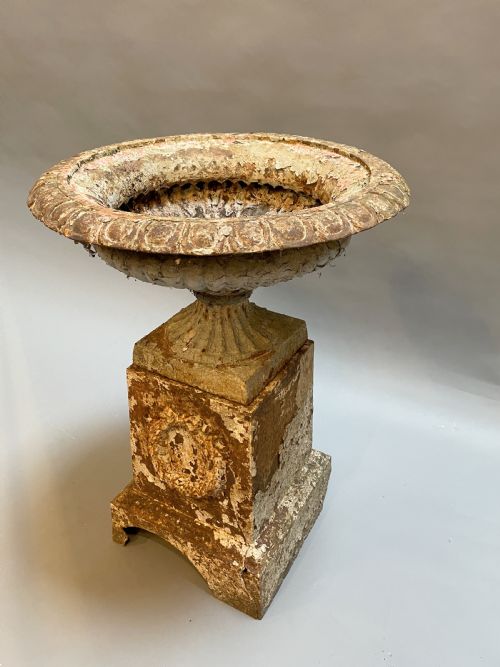


Painted Iron Garden Pedestal
A painted iron garden pedestal provides a sturdy, sculptural anchor for outdoor displays, bringing classical proportion and enduring weight to garden paths and lawns.
Painted Iron Garden Pedestal
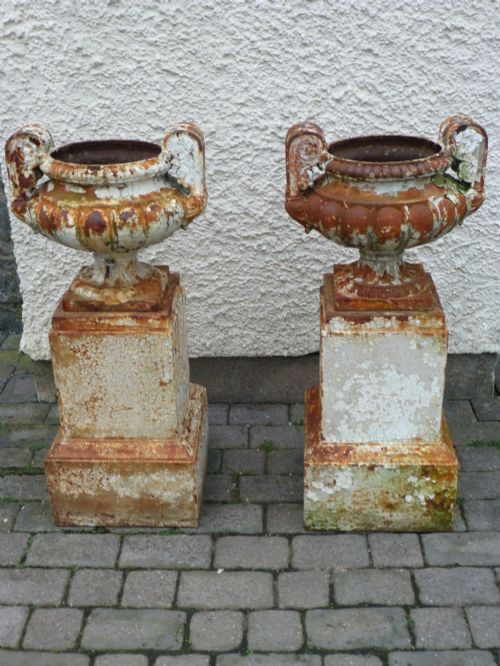
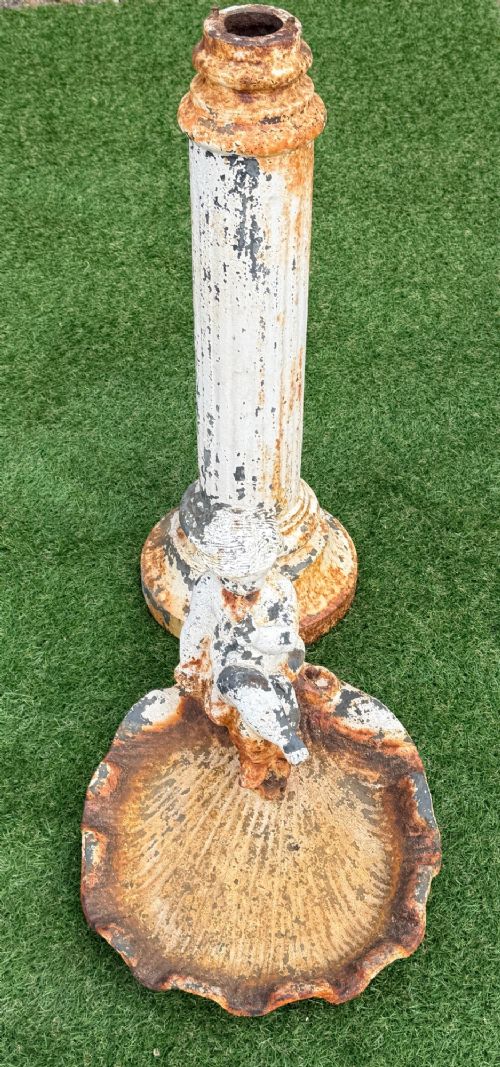
A painted iron garden pedestal brings together utilitarian outdoor furniture and classical display forms, functioning primarily as a plinth, stand, or column to elevate garden urns, planters, and bird baths. When searching for a painted iron garden pedestal, buyers encounter pieces designed to display flora or ornament terrace spaces, drawing upon a long tradition of garden architecture.
The selections on this page span several distinct periods, most notably the Victorian era alongside Regency and early twentieth-century examples, with dates reaching back to the nineteenth century. Makers and foundries utilised durable metals to create robust forms that withstand outdoor elements while maintaining refined decorative detail.
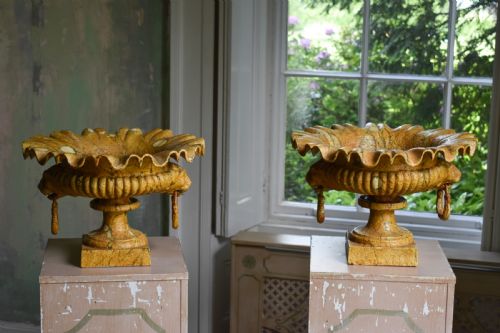
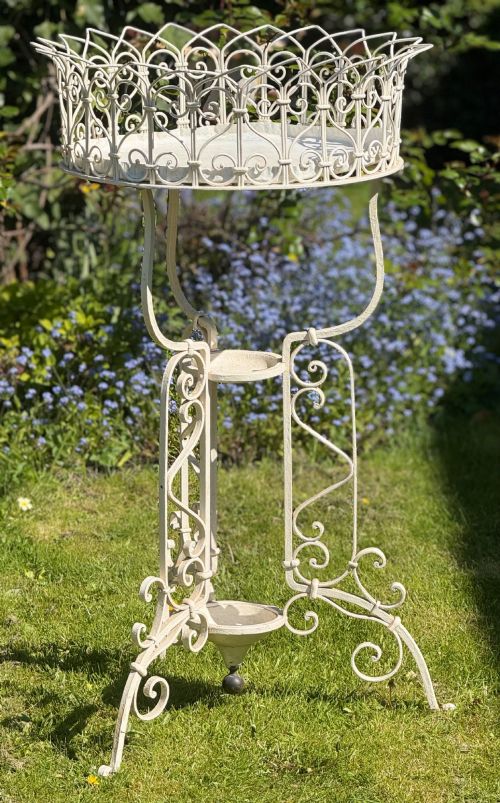
Object types frequently associated with these pedestals include garden urns on stands, plant stands and jardinieres, and column planters. Stylistic influences lean heavily towards Neoclassical, Classical Revival, and Victorian interpretations, frequently featuring decorative motifs such as acanthus leaves and gadrooning.
How they were made
Foundries primarily shaped these pieces using cast iron poured into moulds to achieve complex surface ornamentation, supplemented occasionally by wrought iron elements and stone components in composite designs. The molten metal allowed artisans to replicate intricate classical details like acanthus leaves and shell forms with precision.
Protective and decorative paint layers were applied to the iron surfaces to prevent corrosion and enhance the sculptural lines of the pedestals against garden backdrops. Over time, successive coats of paint weather and flake, revealing the complex textures of the underlying metal.
What varies in quality
The refinement of the casting dictates the crispness of decorative details such as acanthus foliage and gadrooning, separating mass-produced items from superior foundry work. Heavier gauge metal and integrated original plinths indicate higher ambition in manufacture and greater structural stability.
The integrity of the structural joints and the historical continuity of the paint surface contribute significantly to the character of each piece. Superior examples retain harmonious proportions between the pedestal base and the supported vessel, maintaining balance and visual poise.
Falkirk Carron foundry·Coalbrookdale
The Painted Iron Garden Pedestal Glossary
- Cast iron
- A strong, heavy alloy poured into moulds to create rigid forms with detailed ornamentation. This material forms the primary structure of most garden pedestals and urns on this page.
- Plinth
- A heavy rectangular or square base supporting a column, urn, or statue. It provides stability on uneven ground and elevates the display object.
- Gadrooning
- A decorative carved or cast motif consisting of convex curves or fluting arranged in a parallel series. This ornamentation frequently appears around the rim or body of urns mounted on pedestals.
- Neoclassical
- A style reviving the classical forms and motifs of ancient Greece and Rome. Garden pedestals often display this influence through fluted columns and acanthus leaf decoration.
- Jardiniere
- An ornamental pot or stand designed to hold plants or flowers. These items often sit atop iron pedestals or columns in garden settings.
Painted Iron Garden Pedestal: Frequently Asked Questions
What is a painted iron garden pedestal?
A painted iron garden pedestal is a heavy structural stand designed to elevate urns, planters, or bird baths in an outdoor setting. These pieces combine utilitarian strength with classical decorative forms.
Found predominantly in cast iron, they provide height and focal points within garden design schemes while resisting the elements through protective layers of paint.
How were these pedestals used historically?
Historically, these iron pedestals served as focal points on terraces, formal lawns, and pathways to display prized plants or decorative urns. By elevating the planting vessels, garden designers improved drainage and visual impact.
They allowed nineteenth-century gardeners to incorporate classical architecture into planting schemes without relying entirely on fragile stone.
How do I care for painted iron outdoors?
Maintaining painted iron involves monitoring the surface for weathering and applying protective coats of exterior paint when the metal begins to show through. Keeping the base clear of standing water prevents accelerated corrosion at ground level.
During harsh winter months, ensuring proper drainage prevents trapped moisture from expanding within hollow cast sections.
How do I date a cast iron garden pedestal?
Dating these pieces relies on identifying stylistic markers such as Victorian Neoclassical proportions, Regency foundry marks, or specific casting techniques like sand moulding. The presence of registration numbers or known foundry names provides precise chronological anchors.
The character of the paint layers and the weathering patterns also offer clues regarding the age and history of the ironwork.