


Ornate Cast Iron Planters
These ornate cast iron planters bring heavy metal presence and classical form to a garden terrace, built to hold large plants through every season.
Ornate Cast Iron Planters
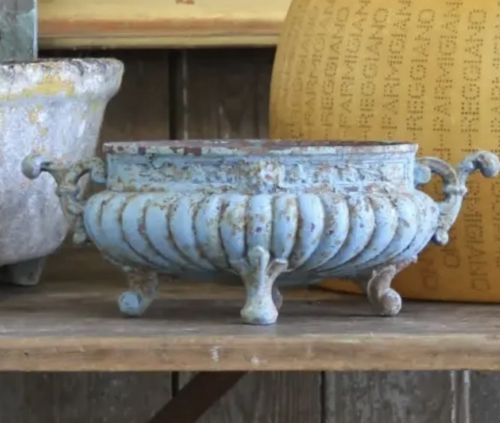
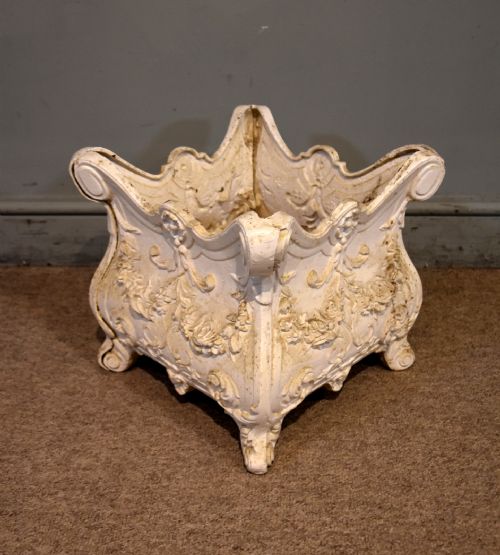
When you search for ornate cast iron planters, you are looking at substantial vessels designed for garden display, often taking the form of garden urns, jardinieres, or plant stands. The versions you are most likely to meet on this page hail from the nineteenth century, including Victorian examples and nineteenth-century French designs.
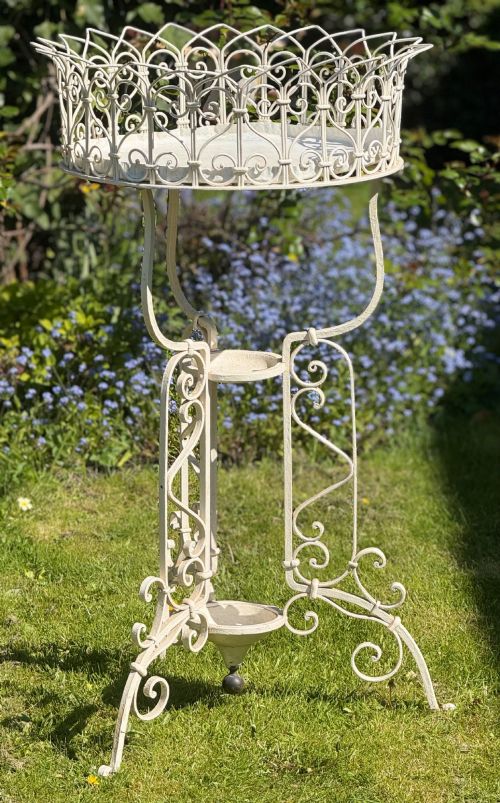
Forms range from simple gadrooned urns on plinth bases to multi-tier plant stands and decorative scuttles. Many pieces showcase classical revival aesthetics, bringing formal garden architecture into domestic spaces.
Origins span English and French workshops, with specific makers such as Coalbrookdale appearing among nineteenth-century examples. Buyers encounter everything from large antique ornamental planters to compact jardinieres.
How they were made
Foundry workers poured molten metal into sand moulds to create the heavy cast iron bodies of these planters. Wrought iron elements sometimes complemented the cast structure, particularly in stands and structural supports.
Surface decoration often included paint and enamel finishes applied to protect the metal and enhance the ornamental details. Plinth bases provided sturdy foundations for heavy urns and jardinieres.
Materials recorded across the inventory include cast iron, wrought iron, paint, enamel, and dedicated plinth bases.
What varies in quality
The crispness of the casting defines the upper tier of these pieces, where decorative motifs like gadrooning remain sharp and well-defined. Lesser examples suffer from soft or muddy surface details resulting from worn moulds.
Proportion and architectural balance separate standard utility vessels from exceptional ornamental pieces. Well-designed pairs demonstrate precise symmetry and harmonious integration of plinth bases and urn bodies.
Coalbrookdale
The Ornate Cast Iron Planters Glossary
- Jardiniere
- An ornamental pot or stand for holding flowers or plants. These vessels often sit on a plinth base or floor standing frame.
- Gadrooned
- Decorated with a carved or cast series of convex curves or flutes. This ornamental detail frequently edges the rim of nineteenth-century urns.
- Plinth
- A heavy base or pedestal supporting a statue, urn, or planter. Victorian classical revival pieces rely on this architectural element for stability and scale.
- Scuttle
- A metal container originally used for coal, sometimes repurposed or designed in similar durable metal forms. These utilitarian items shared foundry techniques with garden planters.
Ornate Cast Iron Planters: Frequently Asked Questions
How do I date an antique cast iron planter?
Dating relies on stylistic clues such as Victorian classical revival motifs, nineteenth-century French design characteristics, and specific foundry attribution marks. Examination of the casting technique and surface wear also helps establish the period.
Many pieces align with nineteenth-century manufacturing trends, while others bear specific year markers like eighteen-fifty or eighteen-eighty in their descriptions.
Can ornate cast iron planters stay outside all winter?
Cast iron withstands outdoor conditions remarkably well due to its heavy metal construction and protective paint or enamel layers. However, trapped freezing water can crack metal vessels over time.
Placing gravel at the base for drainage and elevating urns off frozen ground helps protect these substantial garden pieces through harsh weather.
How do I style a three tier plant stand?
Multi-tier plant stands create vertical interest and allow you to display trailing plants alongside upright foliage. Placing them against garden walls or on patios maximises their architectural silhouette.
Victorian black cast iron stands provide a dark, neutral backdrop that lets green plants stand out clearly.