
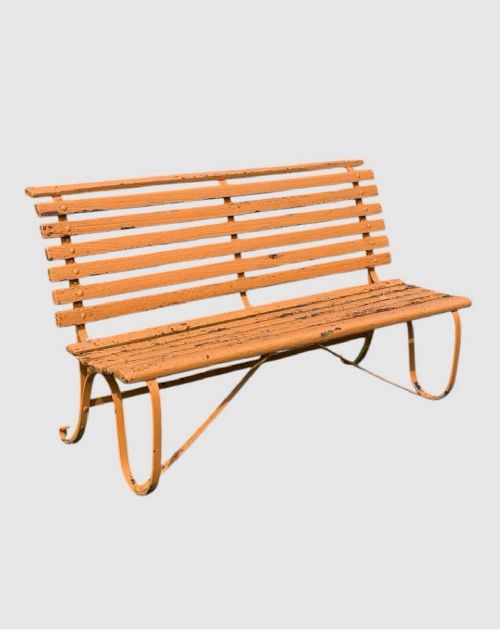
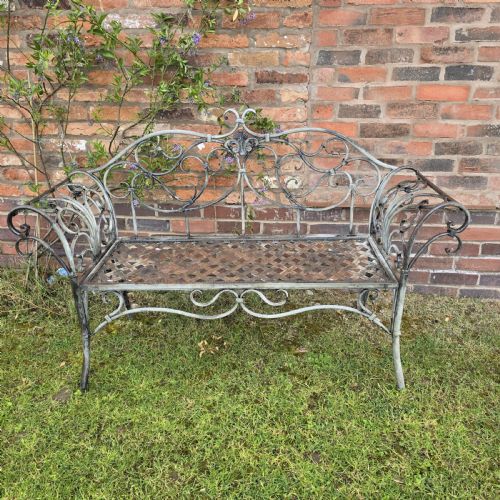


Painted Iron Bench
A painted iron bench brings enduring structure to a lawn or terrace, cast or forged to withstand the elements.
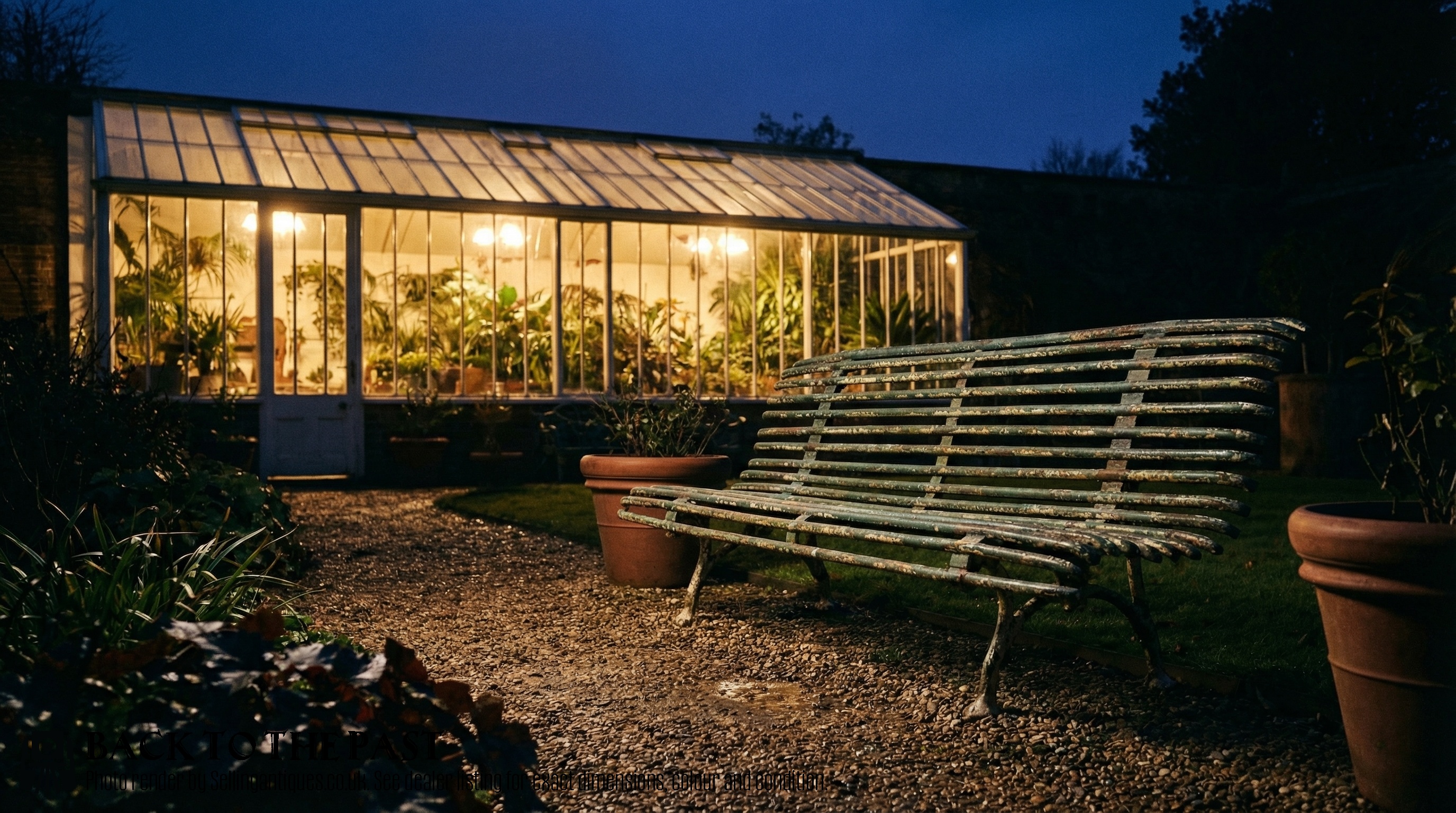
Painted Iron Bench
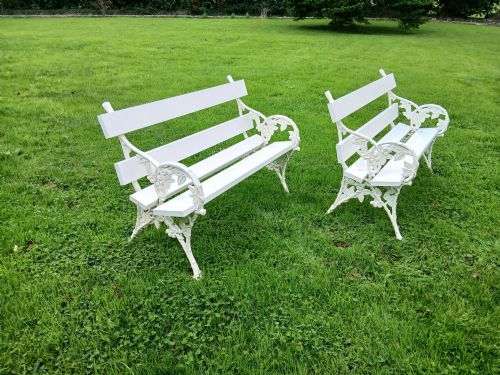
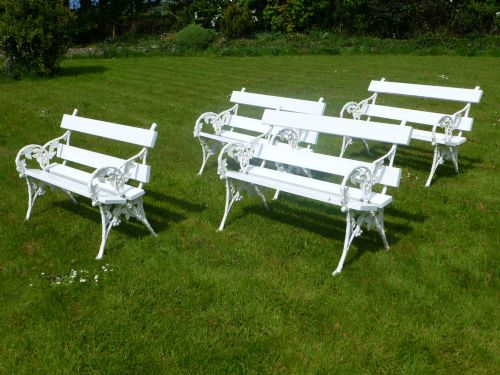
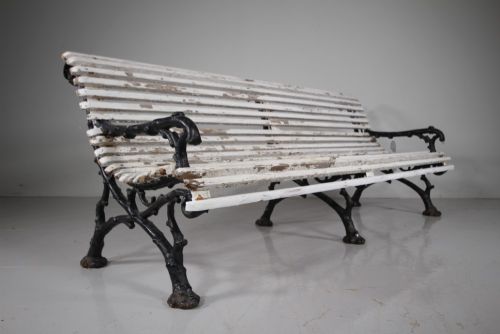
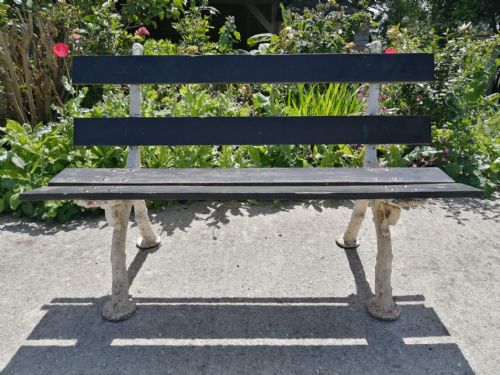
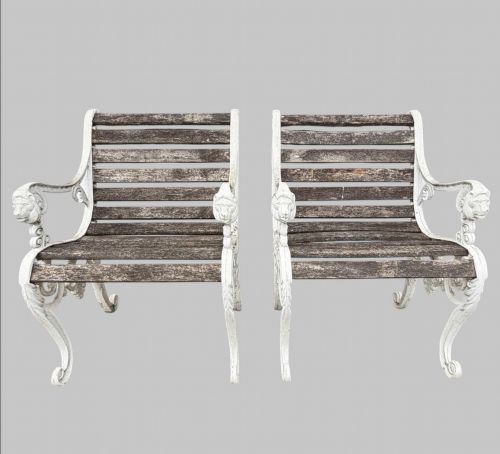
A painted iron bench is a durable seat designed for exterior placement in gardens, orangeries and parks, combining metal frames with wooden slats or solid metal castings.
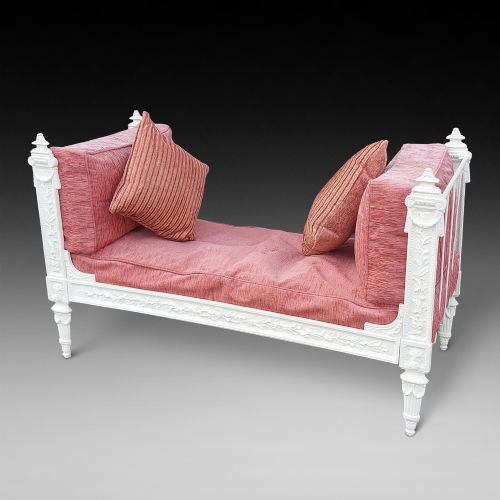
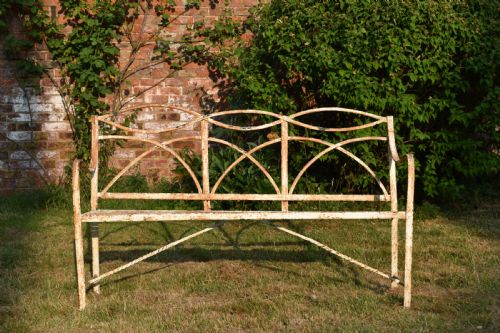
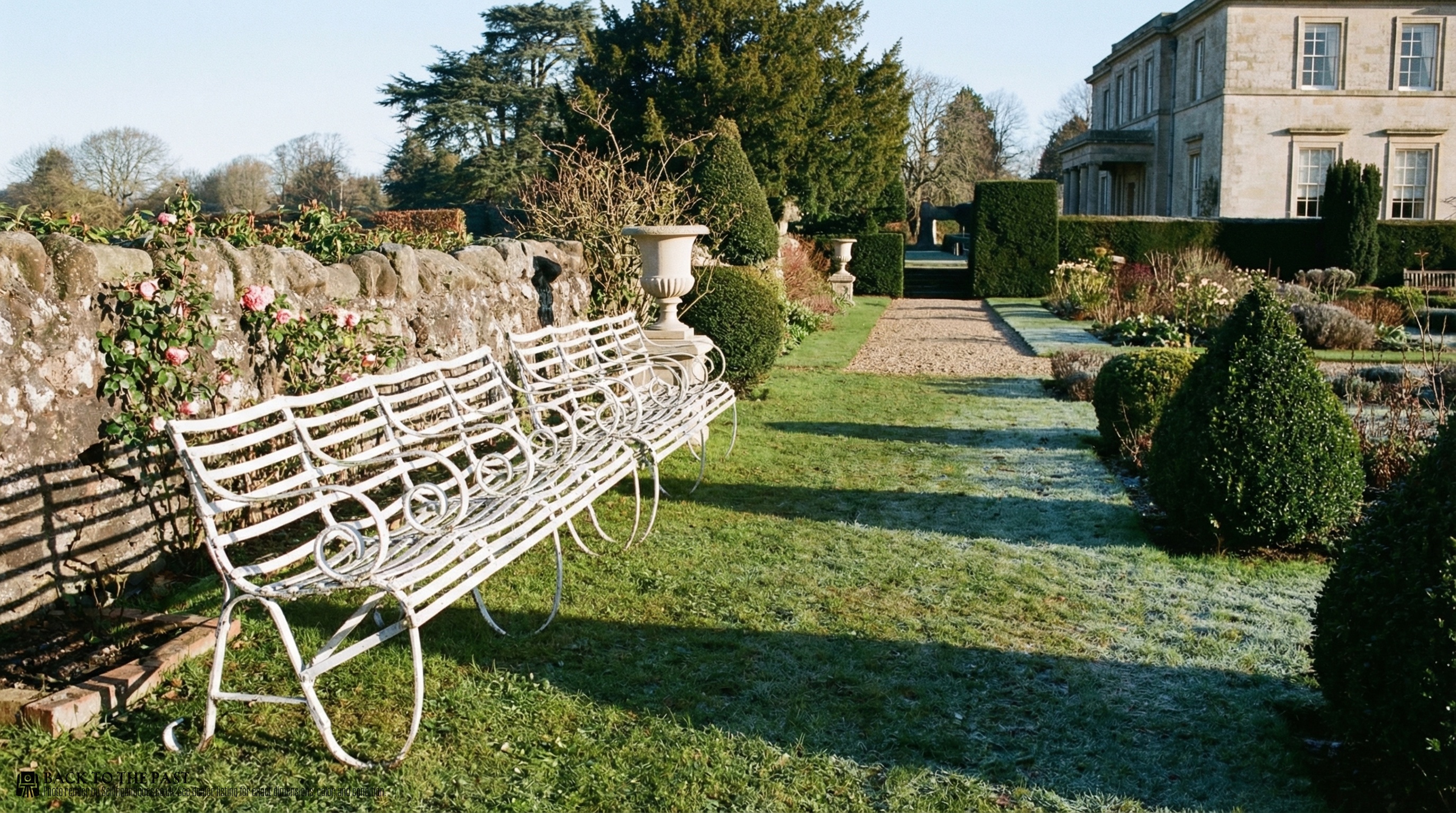
The pieces on this page span the nineteenth century through the interwar period, encompassing Victorian ornamentation, Regency strapwork and French country metalwork.
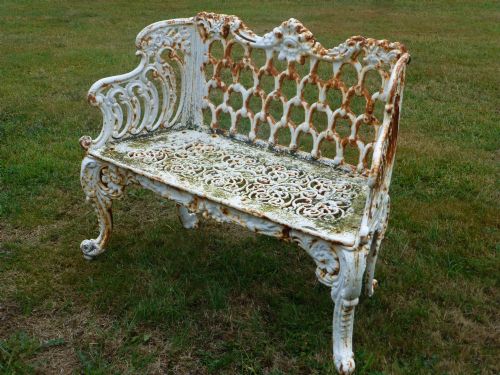
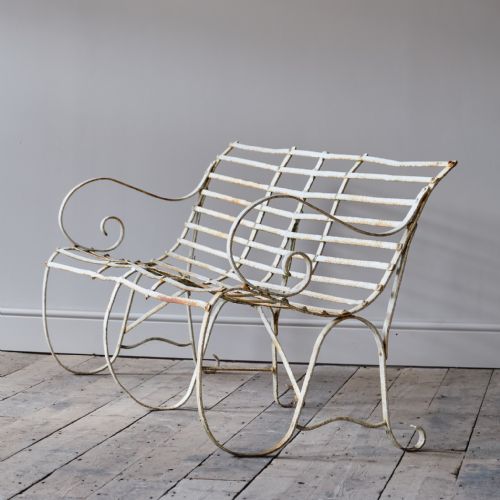
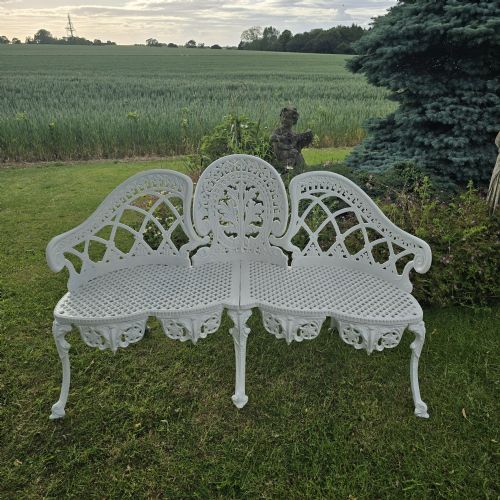
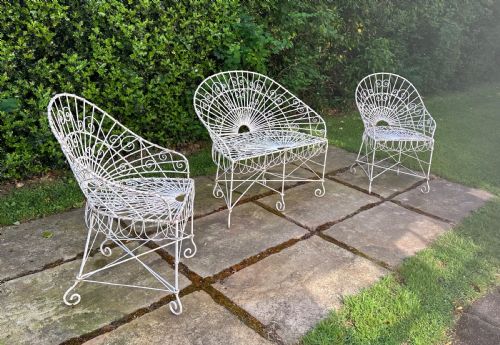
Buyers encounter heavy cast iterations bearing blackberry, leaf or faux bois patterns alongside lighter wrought iron strapwork and wirework arbours.
Materials and construction
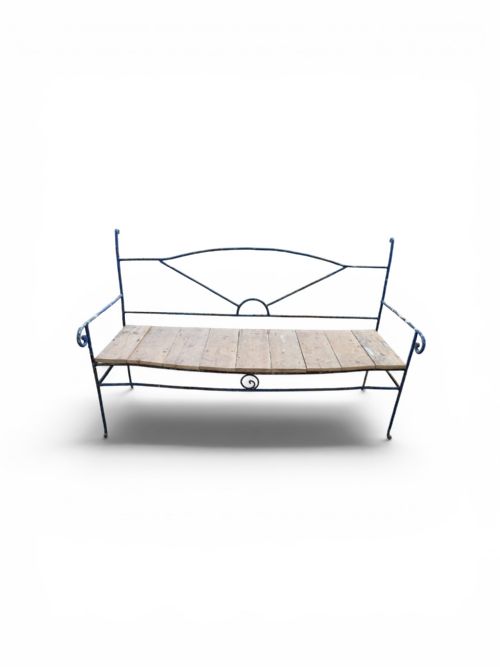
Foundries produced structural elements using cast iron and wrought iron, sometimes paired with timber or painted pine for slats and seating surfaces.
Surfaces received protective coats of paint, with many surviving examples retaining layers of historic pigment over the bare metal.
Painted Iron Bench Retail Price Guide 2026
Typical asking prices for painted iron bench among the pieces listed under this phrase on Sellingantiques today, from the lower quarter to the upper quarter. They describe what is for sale here now, not the wider market.
The listings show nineteenth-century cast iron alongside twentieth-century painted metalwork, timber, and pitch pine.
Evaluating craftsmanship
Quality rests in the crispness of the foundry casting, where botanical details like leaves and branches retain sharp definition rather than softening through repeated use of worn moulds.
Structural integrity depends on the retention of original bench ends, matching wooden components and the undisturbed patination of layered historic paint finishes.
Falkirk Carron Foundry·Coalbrookdale
The Painted Iron Bench Glossary
- Cast iron
- A strong, hard alloy poured into moulds to create intricate decorative patterns. It forms the heavy bench ends and frames seen on Victorian garden seats.
- Wrought iron
- Iron beaten into shape by hand or machine rather than poured into a mould. It provides the flexible strength required for strapwork and scroll designs.
- Faux bois
- A decorative style mimicking the appearance of natural wood grain. Foundries applied this technique to cast iron to imitate rustic timber branches.
- Strapwork
- Flat bands of metal interwoven or arranged in geometric patterns. This style defines many Regency and Victorian iron benches.
- Arbour
- A shaded garden alcove or seat enclosed by climbing plants and metal framework. These structures often incorporate wirework or iron arches.
Painted Iron Bench: Frequently Asked Questions
How do I care for historic painted iron?
Historic painted surfaces require gentle cleaning and careful monitoring for moisture beneath the pigment layers. Avoid harsh chemical strippers that remove the accumulated character of old paint.
Apply microcrystalline wax or suitable exterior protection if the metal sits exposed to persistent rain. Keeping the feet raised off damp turf prevents rust from creeping upward through the base.
Were these seats made for inside or outside?
Most pieces served gardens, parks and conservatory spaces, enduring changing weather while anchored to lawns or stone terraces. Their heavy construction suited them for permanent outdoor placement.
Lighter folding metalwork and painted pine combinations also moved between orangeries and patios depending on the season. Covered porches sheltered the more delicate wirework and decorative seating.
How do I spot a Regency design?
Regency designs favour clean strapwork, classical symmetry and restrained geometric patterns rather than heavy Victorian botanical motifs. The ironwork tends to appear lighter and more linear.
Look for curved armrests and simple scrolled supports that reflect early nineteenth-century neoclassical tastes. Genuine pieces from this period carry the hand-forged traits of wrought iron.
Can I leave iron benches outside all winter?
Traditional cast and wrought iron withstands cold temperatures, but freezing moisture trapped in wooden slats or mounting joints causes damage. Storing wooden elements or protecting the entire seat during harsh months preserves the material.
Ensure the bench rests on dry paving rather than directly on mud to limit winter corrosion. Regular checks on the painted surface prevent small cracks from turning into rust.