


Painted Glass Lamp
A painted glass lamp brings colour and character into a room through hand-applied ornament over milk, opaline or cranberry glass.
Painted Glass Lamp
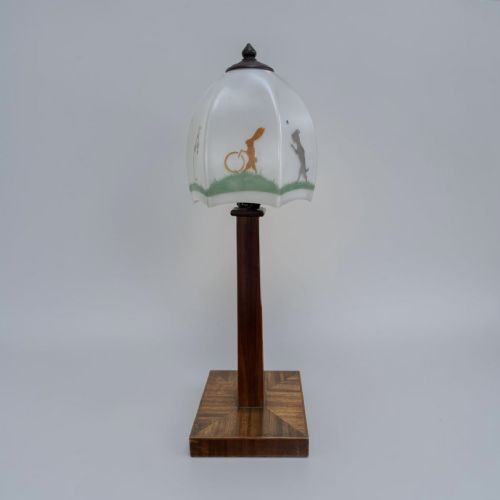
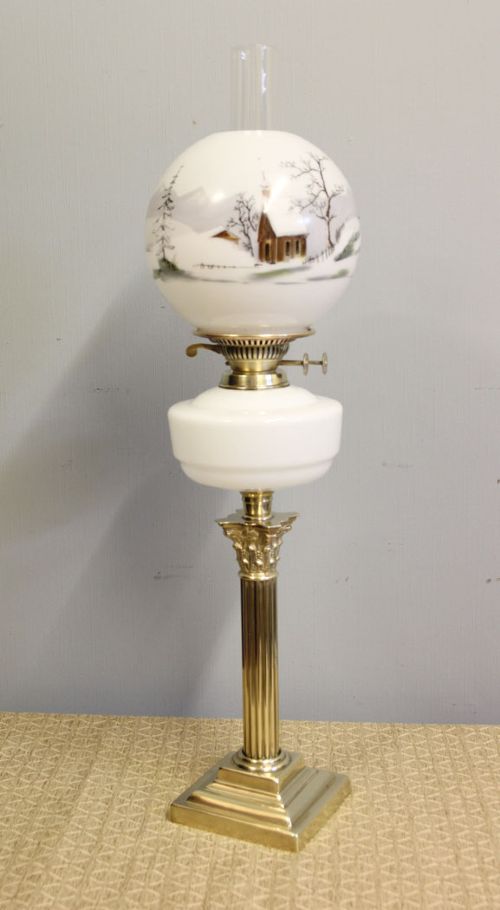
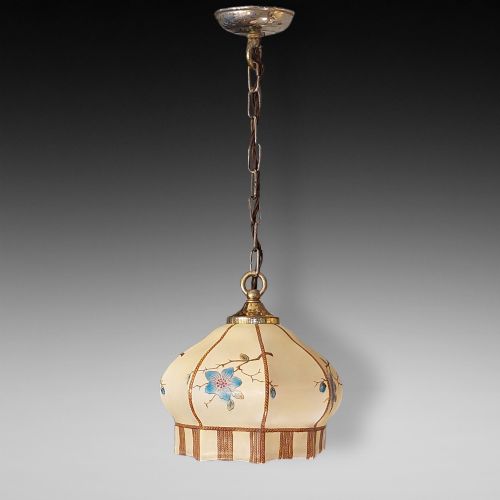
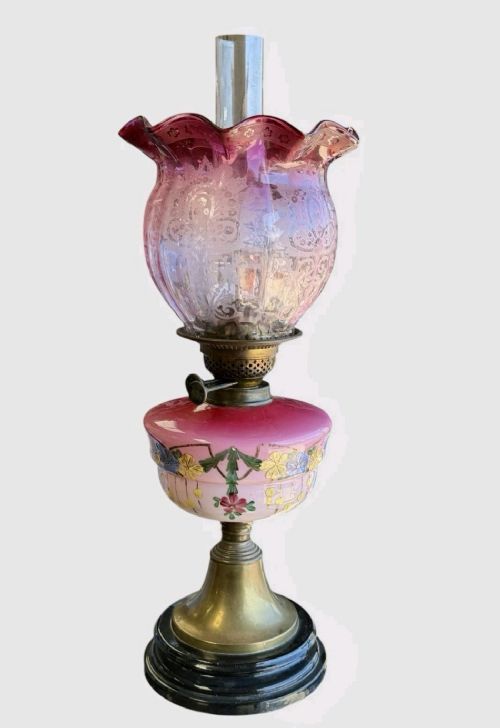
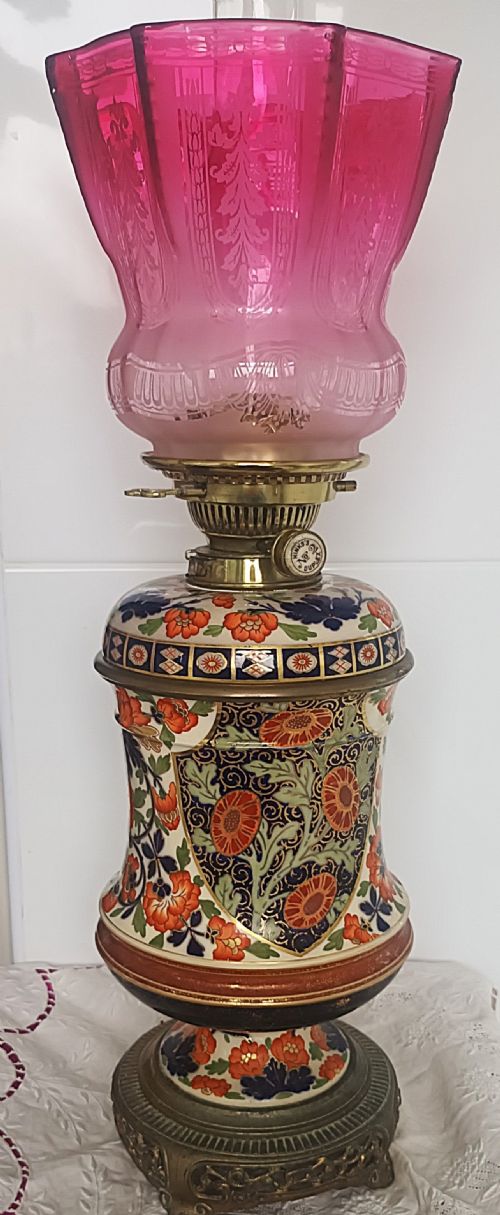
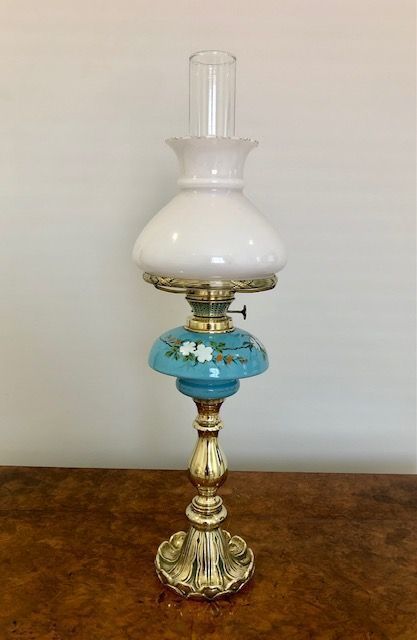
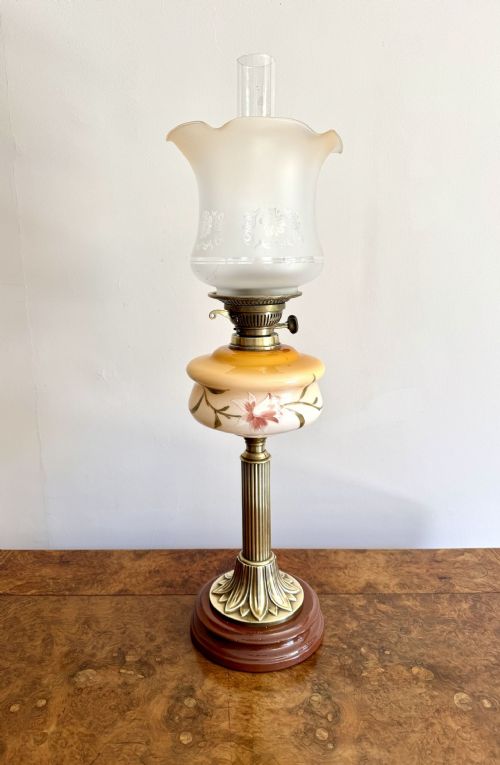
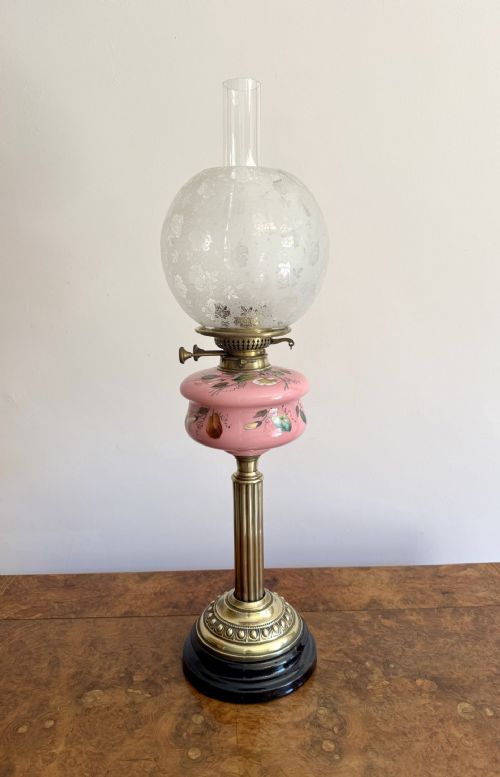
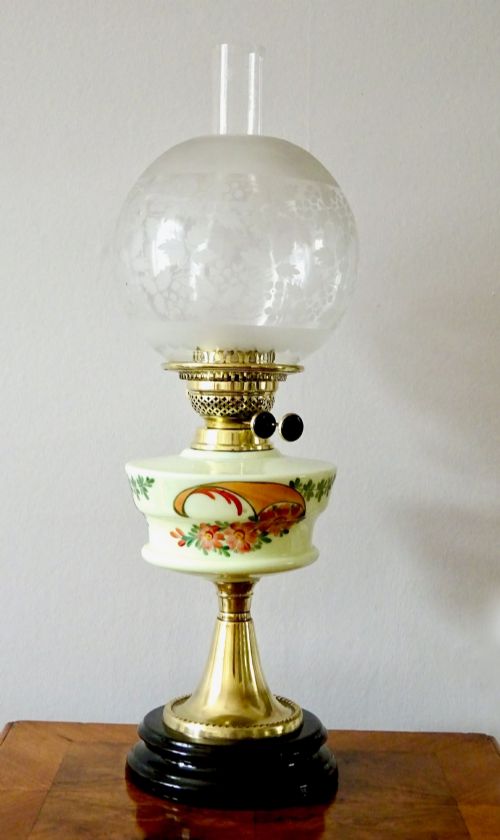
A painted glass lamp is a functional lighting piece that incorporates hand-painted decoration directly onto glass bodies, fonts or shades. When searching for a painted glass lamp, buyers encounter a variety of forms ranging from towering Victorian oil lamps to sleek Art Deco ceiling lights and table lamps.
The nineteenth-century and Victorian pieces dominate the selection, frequently combining brass columns or ceramic bases with coloured glass fonts and hand-painted shades. Later twentieth-century examples shift towards simpler silhouettes, including Art Deco shades and wrought iron fittings.
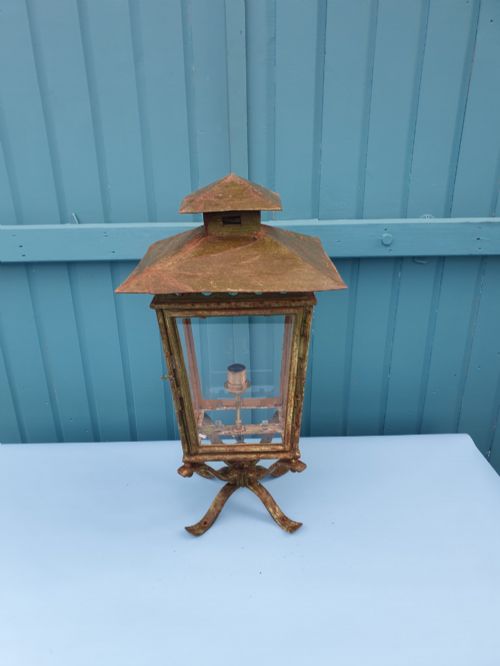
The physical forms include table lamps, hanging oil lamps, lanterns and chandeliers. Many surviving oil lamps have been thoughtfully converted to electricity for modern domestic use while retaining their period mounts and hand-painted motifs.
Materials and Construction
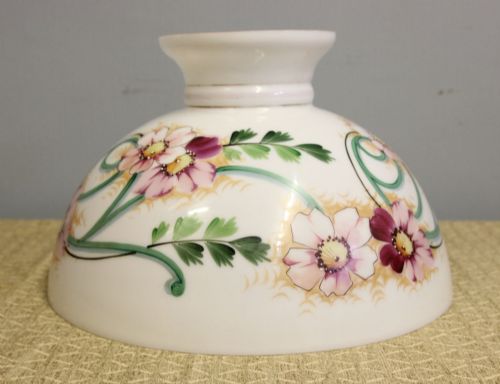
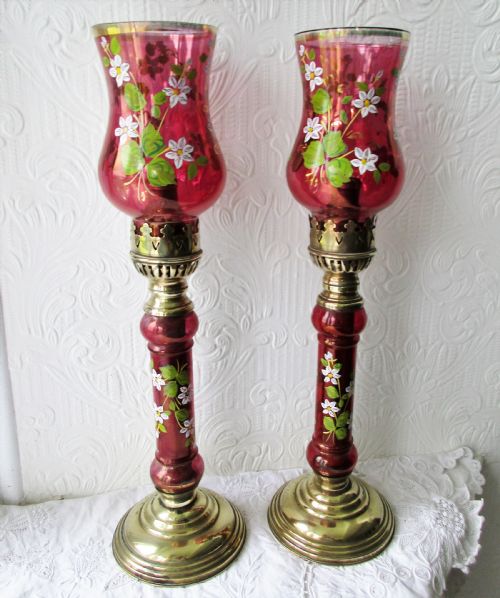
Makers utilised specific glass types such as opaline, milk glass, frosted glass and vibrant cranberry glass as a canvas for enamel and hand-painted floral or winter scenes. These glass elements were frequently paired with sturdy brass columns, copper, wrought iron or ceramic bases to provide structural balance.
Decoration was applied by hand using enamels and pigments directly onto the glass surface, sometimes accompanied by gilt highlights or decalcomania techniques. Metal components, including brass and iron mounts, were cast and turned to support heavy glass fonts and shades.
Listings feature periods spanning the Victorian era through the 1930s, incorporating brass, ceramic, iron and multiple variants of coloured glass.
Understanding Quality Variations
Quality in these pieces rests upon the crispness of the hand-painting and the substance of the glass body itself. Superior examples display finely detailed brushwork on the shades or fonts, whereas lesser pieces rely on simpler, repetitive transfer patterns.
The assembly of the lamp determines its stability and presence. Heavy brass mountings, substantial marble or ceramic steps, and thick, resonant cranberry or opaline glass distinguish the finer productions from utilitarian lighting.
Hinks·Taylor Tunnicliff
The Painted Glass Lamp Glossary
- Opaline Glass
- A semi-opaque glass, often pale in colour, used extensively for Victorian shades and lamp bodies. It provides a soft, diffused glow when illuminated from within.
- Cranberry Glass
- A rich red-pink glass created by adding gold chloride to the molten batch. It is a defining material of nineteenth-century lighting.
- Font
- The oil reservoir of a lamp, usually positioned above the base and beneath the burner. In many decorative pieces, the font is made of coloured and painted glass.
- Duplex
- A type of twin-wick burner mechanism common on nineteenth-century oil lamps. It produced a brighter light than single-wick burners.
- Decalcomania
- A technique of transferring printed designs from paper to glass or ceramic surfaces. It appears on certain nineteenth-century decorative lamp bodies.
Painted Glass Lamp: Frequently Asked Questions
Are these lamps safe to use today?
Most antique oil lamps and lanterns found here have been converted to electricity for modern domestic use. Buyers should check the wiring or have a qualified electrician inspect any vintage lighting before plugging it in.
Original oil burner mechanisms are often retained for decorative value even when electrified. This preserves the historical integrity of the object without compromising daily utility.
How do I clean a painted glass lamp?
Painted glass surfaces require gentle cleaning with a soft, damp cloth and mild soap. Avoid abrasive scouring pads or harsh chemical cleaners that can damage hand-painted enamel and gilt details.
Metal components like brass can be polished sparingly, though many collectors prefer to leave an aged patina untouched. Glass shades should be removed and washed separately to ensure safety during the process.
How do I distinguish Victorian from Art Deco lamps?
Victorian pieces typically feature ornate brass columns, Corinthian capitals, and richly coloured cranberry or opaline glass with floral hand-painting. They lean towards classical revival styles and decorative abundance.
Art Deco lamps, dating from the 1920s and 1930s, favour geometric forms, wrought iron, frosted glass, and stylised motifs. The silhouettes become cleaner and more streamlined compared to nineteenth-century excess.
What is a peg lamp?
A peg lamp consists of a small font with a protruding peg at the base designed to drop directly into the top of a candlestick or a dedicated base. This versatile design allowed a single candlestick to double as an oil lamp.
They appear frequently in nineteenth-century glass and ceramic forms. Their compact size makes them adaptable for bedside tables or smaller mantelpieces.