



Painted Fruit Decorative Plate
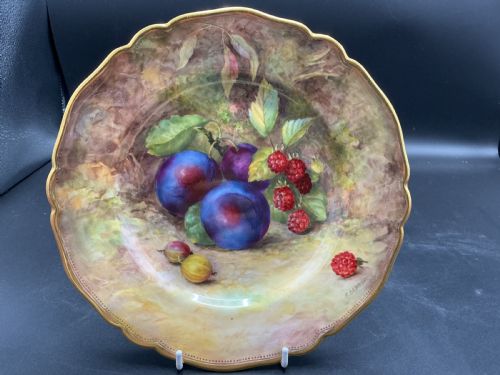
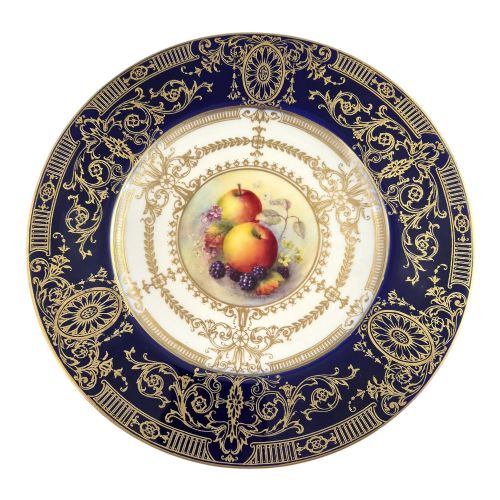
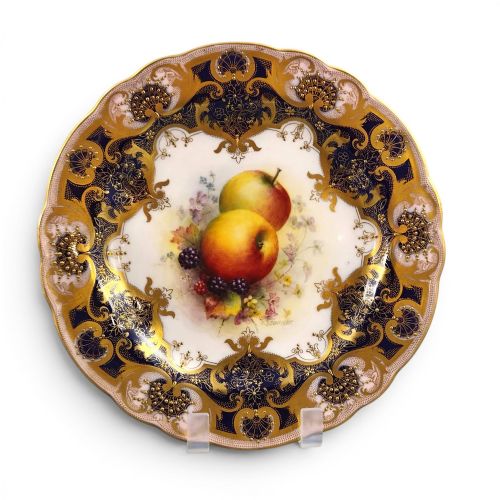
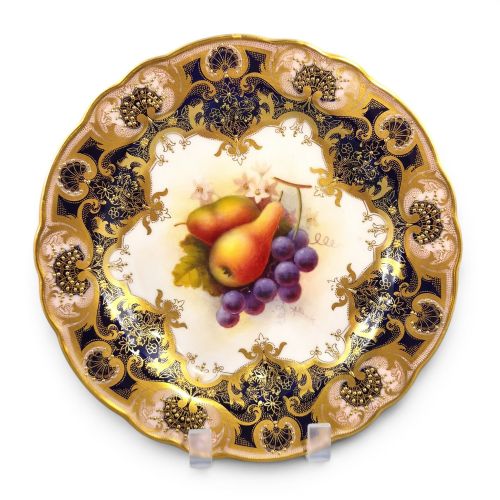
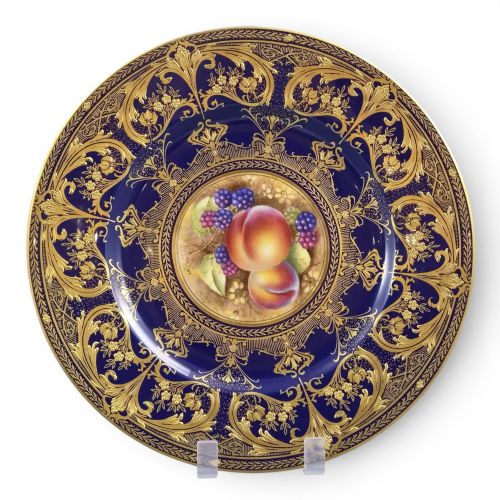
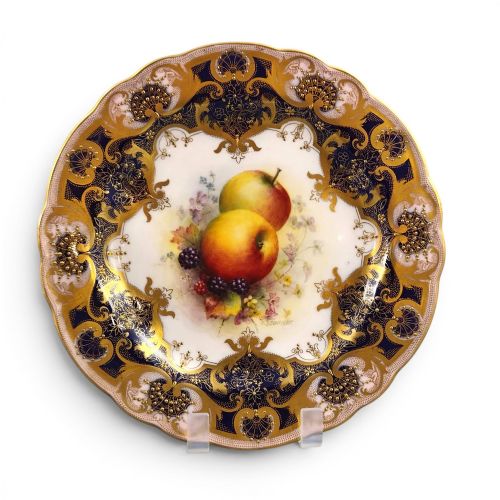
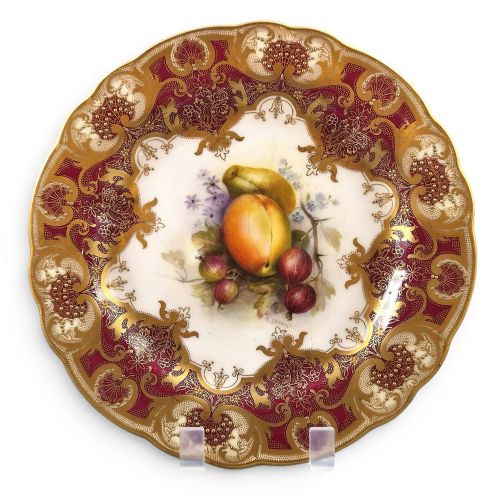
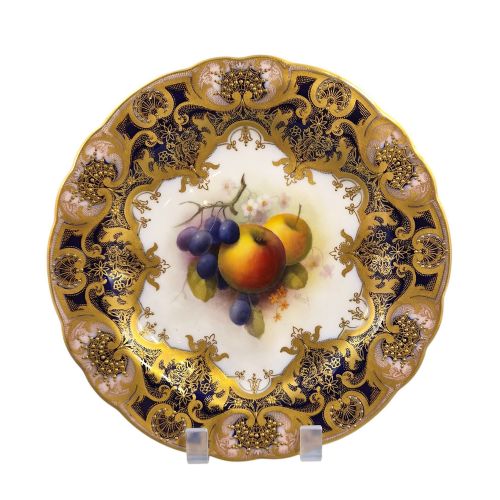
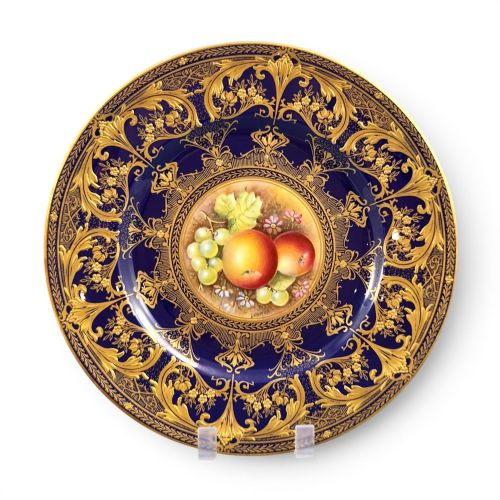
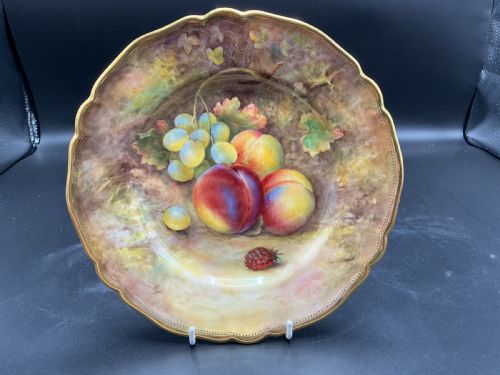
These painted fruit decorative plate examples bring rich botanical detail to a room, showing fine hand-brushed pigments on porcelain.
Painted Fruit Decorative Plate
A painted fruit decorative plate is typically a cabinet plate or display dish designed for visual appreciation rather than daily dining. These items emerge from periods spanning the Edwardian era through the mid-twentieth century, with notable representation from the 1920s and 1930s.
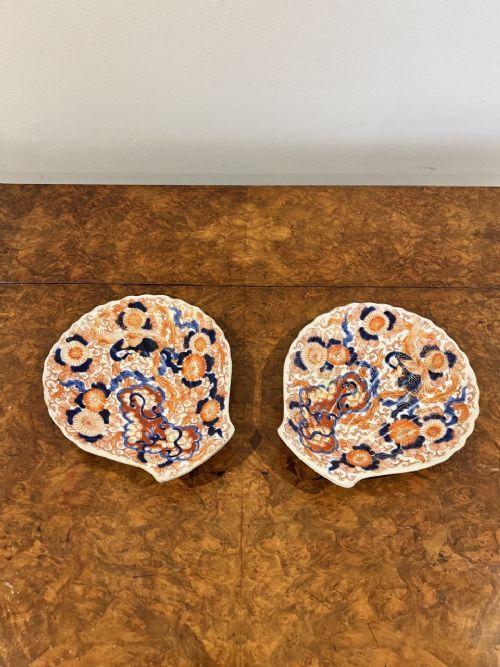
Makers such as Royal Worcester dominate the selection, alongside pieces from Royal Doulton, Masons, and Bursley Ware. Styles range from traditional British aesthetics to Art Deco and occasional Japanese Imari influences.
Materials and construction
The base material is predominantly hard-fired porcelain or bone china, providing a smooth, white canvas for the artist. Potters shape these into plates, dishes, and bowls before applying initial glazes.
Decoration relies on hand-applied paint combined with gold leaf, gilding, or gilt edging to highlight the central motifs. Artisans paint the fruit subjects by hand, utilising layered pigments to achieve depth before final firing.
Painted Fruit Decorative Plate Retail Price Guide 2026
Typical asking prices for painted fruit decorative plate among the pieces listed under this phrase on Sellingantiques today, from the lower quarter to the upper quarter. They describe what is for sale here now, not the wider market.
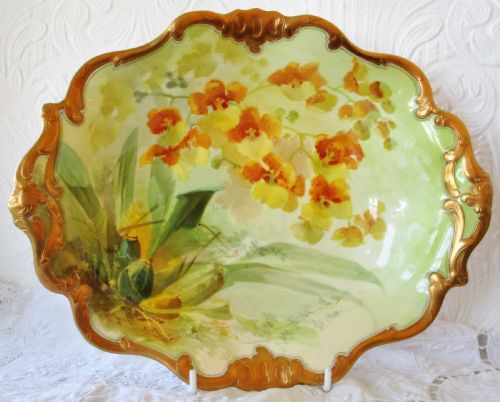
Orchids and ripe orchard fruits stare back from cabinet shelves, enduring long after the desserts they once accompanied are forgotten.
Distinctions in craftsmanship
Quality rests primarily on the skill of the artist and the prestige of the maker's studio. Signed works by documented painters carry distinct artistic weight compared to unsigned factory output.
The complexity of the painted subject and the application of gold leaf or gilding differentiate standard production from superior pieces. Preservation of the painted surface and the crispness of the gilt borders determine the overall standard.
Royal Worcester·Royal Doulton·Masons Ironstone·Bursley Ware
The Painted Fruit Decorative Plate Glossary
- Cabinet plate
- A decorative ceramic plate intended for display in a cabinet or on a wall rather than for practical table use. These often feature elaborate painted scenes and gilt borders.
- Bone china
- A type of soft-paste porcelain incorporating animal bone ash, resulting in high strength, durability, and a milky translucency. It serves as a common base for fine British ceramics.
- Gilding
- The application of gold leaf or gold powder to the surface of ceramics, usually along the rim or edge. This technique frames the central painted decoration.
- Imari
- A style of Japanese porcelain featuring a distinct palette of underglaze blue, iron red, and gold. Pieces of this influence appear alongside traditional British earthenware.
Painted Fruit Decorative Plate: Frequently Asked Questions
What is a painted fruit decorative plate used for?
These items function primarily as display pieces for cabinets, sideboards, or walls. They were not made for regular dining purposes.
Collectors showcase them to highlight detailed botanical artistry and traditional ceramic manufacturing from the early to mid-twentieth century.
How do I identify the period of a plate?
Dating relies on maker marks stamped to the underside, combined with stylistic indicators such as Art Deco forms or Edwardian borders. Artist signatures also help place pieces within specific decades.
Material composition and backstamps provide further clues for distinguishing between Edwardian and later twentieth-century production.
Are these plates meant for daily food use?
Using them for food is generally discouraged due to their age and delicate painted surfaces. Older glazes and gold leaf decorations can wear down with regular washing and cutlery contact.
Displaying them safely preserves the hand-painted fruit motifs and gilt edges.
Who painted these ceramic fruit designs?
Skilled porcelain painters working for major potteries executed these botanical studies by hand. Some artists signed their work directly onto the ceramic surface.
Notable painters associated with these pieces include individuals like Richard Sebright and Albert Shuck.