



Gold Leaf Display Plate
These gold leaf display plate pieces are ornamental ceramics finished with precious gilding, prized by collectors for their intricate hand-painted detail and decorative prominence.
Gold Leaf Display Plate
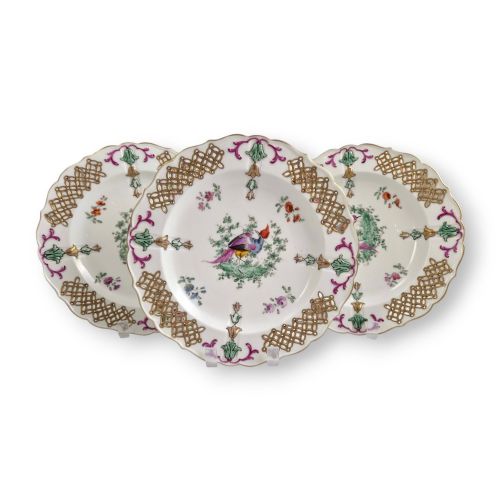
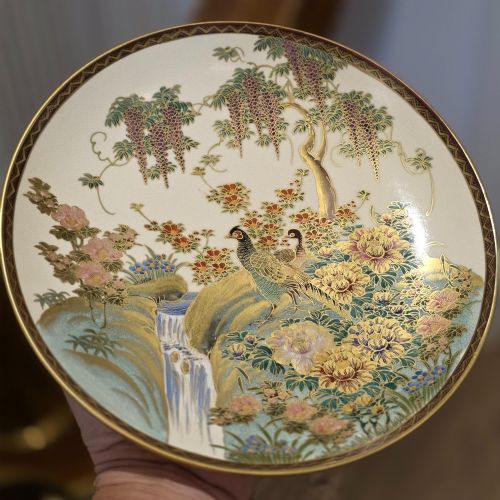
When you search for a gold leaf display plate, you are looking at ornamental ceramics designed primarily for visual appreciation rather than dining. These decorative objects range from cabinet plates to chargers, originating across periods from the Georgian era through the twentieth century. The selections available on this page encompass various international and British manufactories, showcasing rich hand-painted ornamentation.
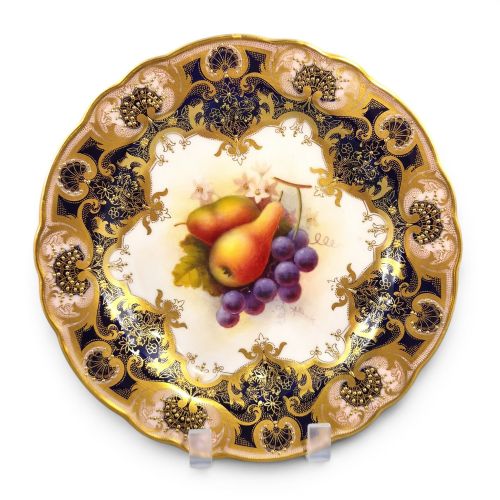
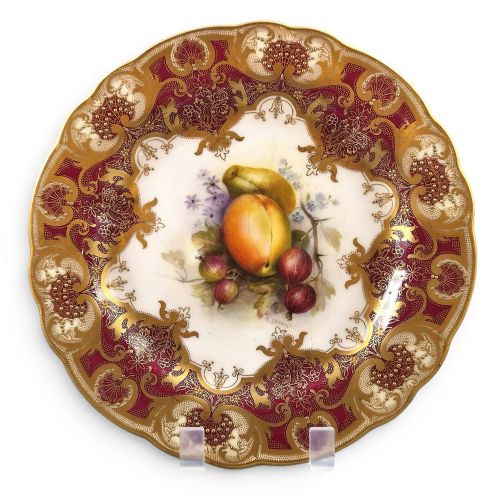
You are most likely to encounter nineteenth-century and early twentieth-century examples featuring elaborate porcelain surfaces highlighted with gold leaf or gilding. Many pieces celebrate floral, fruit, or mythological subjects rendered by skilled painters associated with prominent potteries. These items served as focal points in wealthy interiors, displayed on walls or within dedicated cabinets.
Manufacture and Materials
These pieces rely on high-fired ceramic bodies such as porcelain, bone china, and earthenware, formed into plates and chargers. Artisans applied traditional techniques including hand-painting, enamel decoration, and pate-sur-pate relief work to build up complex imagery. The application of gold leaf and gold gilding provided luminous borders and highlighted motifs.
Manufactories utilised specialised kilns to set delicate enamels and precious metal details onto the glazed ceramic surfaces. Signature artistry from renowned painters frequently added individual character to each piece before final firing.
Gold Leaf Display Plate Retail Price Guide 2026
Typical asking prices for gold leaf display plate among the pieces listed under this phrase on Sellingantiques today, from the lower quarter to the upper quarter. They describe what is for sale here now, not the wider market.
Even fish plates required royal approval.
Markers of Quality
Quality in these decorative plates rests upon the finesse of the hand-painted artistry and the precision of the gilding. Pieces featuring signed work by notable porcelain painters demonstrate superior craftsmanship compared to standard factory output. The complexity of the ceramic body, such as intricate porcelain moulding, further distinguishes finer examples.
The integrity and weight of the gold leaf application separate standard decorative wares from exceptional collector pieces. Preservation of the delicate enamel work and the clarity of mythological or botanical scenes indicate higher tier production.
Royal Worcester·Barr Flight and Barr·Royal Crown Derby·Coalport·Minton
The Gold Leaf Display Plate Glossary
- Cabinet plate
- A decorative ceramic plate intended for display in a cabinet or on a wall rather than for table service. These items usually feature elaborate painted scenes and gilt borders.
- Pate-sur-pate
- A ceramic decoration technique where raised designs are built up using successive layers of liquid white clay slip onto a contrasting coloured body. This skilled method creates a subtle cameo effect.
- Charger
- A large ornamental plate used traditionally as a base dish or displayed centrally for decorative effect. They offer an expanded canvas for intricate hand-painted narratives.
- Gilding
- The application of gold leaf or gold powder to the surface of ceramics to create luminous metallic highlights. It frames the central painted subject and enhances the decorative appeal.
Gold Leaf Display Plate: Frequently Asked Questions
What is a cabinet plate?
A cabinet plate is a purely ornamental ceramic piece created for display in a drawing room or cabinet rather than for daily dining use. They often feature intricate hand-painted artwork and lavish gilding.
These items were collected by discerning households to showcase artistic taste and fine craftsmanship from leading porcelain works.
How are these plates displayed?
Historically, these items were housed in glass-fronted display cabinets or mounted securely on walls using specialised plate hangers. This kept the delicate enamel and gold leaf safe from handling.
Modern collectors often continue these traditions, utilising secure wall mounts or dedicated stands to highlight the detailed painted surfaces.
How do I identify periods?
Periods are identified through factory backstamps, stylistic clues such as Neoclassical or Art Deco motifs, and the specific composition of the ceramic body. Georgian and Victorian examples often feature distinct hand-painted signatures and heavy gilding styles.
Examining the underside of the ceramic usually reveals manufacturer marks that narrow down the date of production.
What subjects appear on them?
Common subjects include detailed botanical studies, still life fruit arrangements, and classical mythological scenes such as the birth of Adonis. Artisans frequently painted intricate landscapes or Japanese-inspired motifs.
These varied themes reflect the artistic preferences of the Georgian, Victorian, and Edwardian periods.